

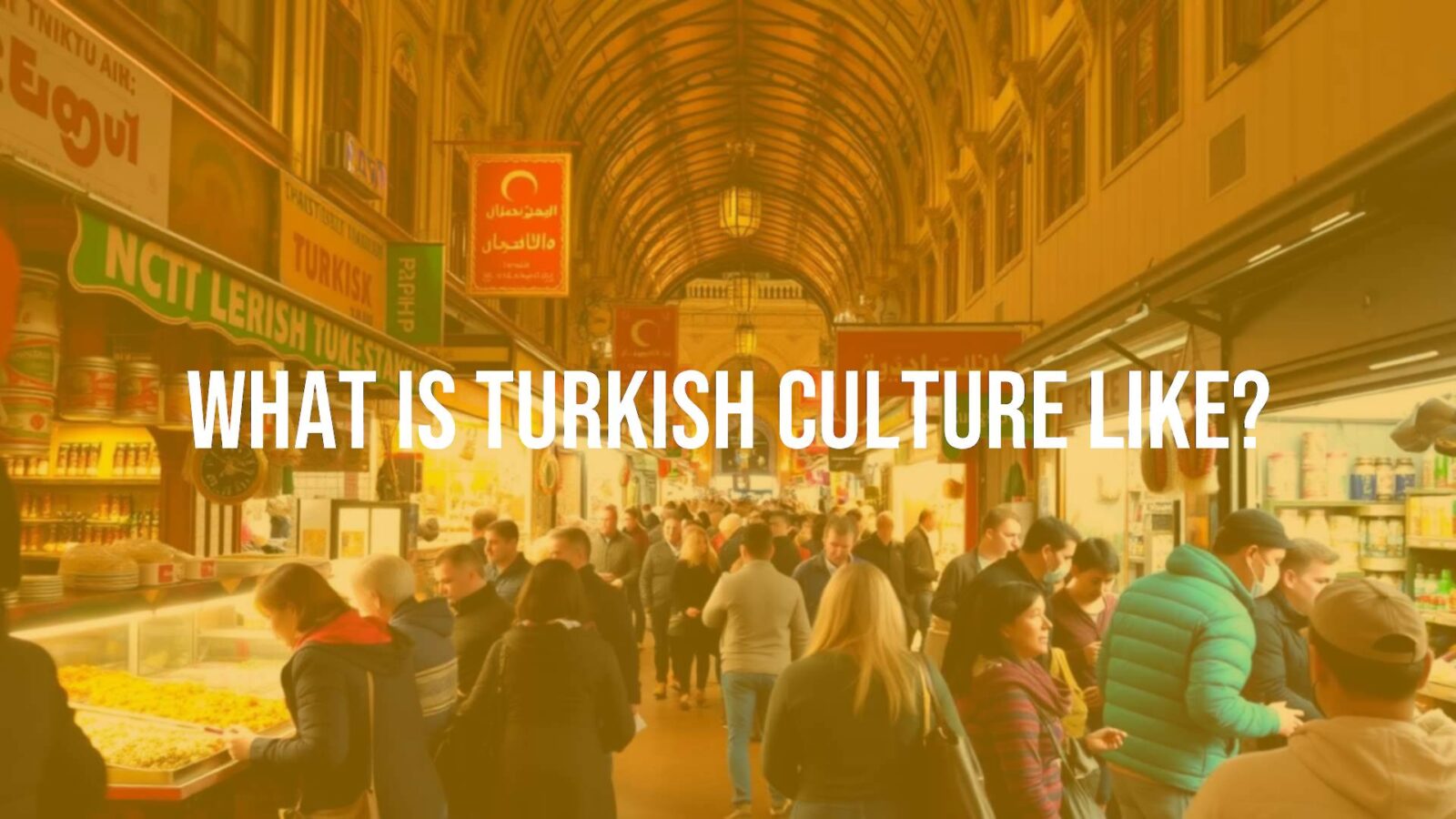
Turkish culture is colorful and full of life, shaped by thousands of years of history and a mix of many different civilizations. Turkey sits between Europe and Asia, so it brings together both Eastern and Western traditions. This blend shows up in everything: the arts, buildings, food, and the way people live. As a result, Turkey has a culture that holds on to old customs while also changing with the times.
The main qualities of Turkish culture are friendliness, hospitality, and strong family values. Even though the country has become more modern, important ideas like kindness, honor, and helping others are still important. People enjoy talking with one another, and sharing food is a big part of social life, showing a strong sense of togetherness that is special in Turkey.

What Is Turkish Culture Like?
How Has Turkish Culture Changed Over Time?
Turkish culture has changed a lot throughout history as empires and different peoples made their home here. The area was impacted by Hittites, Greeks, Romans, Byzantines, Seljuks, and finally the Ottomans. Each brought something new, adding to Turkey’s identity.
The Seljuks brought Islamic traditions and architecture, mixing them with local customs. The Ottomans took over in 1299 and ruled a large area in Europe, Asia, and Africa. They mixed Turkic and Persian styles, especially in food, writing, and arts. After the Ottoman Empire ended and Turkey became a republic in 1923, leader Mustafa Kemal Atatürk pushed for rapid modernization and aimed for Turkey to look more like Western countries-while still staying Turkish. Since then, the country has balanced its past with new ideas.
What Are the Main Values and Everyday Habits in Turkey?
Key values in Turkey are family loyalty, respect for older people, helping neighbors, and legendary hospitality. Turks are known for being friendly and generous. Customs show these values-for example, serving tea to visitors is common, and being invited to someone’s house is special.
Manners matter a lot. Body language says a lot-sometimes even more than words. While hugging or kissing in public (between men and women) is rare outside big cities, close friends of the same gender may walk arm-in-arm or hug to show their friendship. Religion also plays a role, with prayer calls heard daily and religious customs woven into everyday routines.
How Does Hospitality Shape Social Life?
Hospitality is at the core of Turkish social life. People tend to treat everyone with great politeness and welcome-even those they do not know. You might be offered tea, coffee, or even a meal if you visit, run errands, or do business. This attitude comes from a wish to take care of others and offer the best to guests, which helps create close community ties.
If someone invites you to dinner at their home, local custom is to decline the first time, then accept after a few more invitations to show politeness. Once you’re there, you’ll be urged to eat and made to feel at home. This makes it easy for visitors to feel welcome and quickly become part of the group.

What Role Does Religion Have in Turkish Culture?
Islam in Everyday Life and Public Places
Islam is a large part of life for many Turks, especially in rural and traditional areas. Most people are Muslim, mostly Sunni. The call to prayer happens five times a day, setting the pace of daily life. Mosques serve as important social places, not just centers for prayer.
Even though Turkey’s government is officially non-religious, Islamic beliefs affect how people behave, what they wear (especially in public, in smaller towns), and their sense of right and wrong. People who are deeply religious follow practices like daily prayers and fasting during Ramadan, but even less religious people are influenced by these traditions.
Religious Diversity and Secular Life
Although most people in Turkey are Muslim, the country is officially secular. The government keeps religion and state separate. Schools teach about religion but don’t choose one faith over others. Christian (mainly Orthodox) and Jewish minorities live in larger cities, able to follow their customs and find places to worship.
This mix means there is sometimes tension and sometimes balance between religious and non-religious life, especially in city vs rural areas. In cities, life is often more relaxed and western. In the countryside, religious traditions are more visible. So, while most people are Muslim, there’s a wide range of how people show their faith and live day to day.
Religious Holidays and Cultural Traditions
Religious holidays are major events in Turkey. The most important Muslim festivals are:
- Ramadan: A month of fasting, ending with shared evening meals called iftar.
- Eid al-Fitr (Şeker Bayramı): Celebrates the end of Ramadan, with sweets, family visits, and gift-giving.
- Eid al-Adha (Kurban Bayramı): Marks Abraham’s sacrifice; families share meat with friends and people in need.
These holidays bring people together and keep traditions alive. Religious greetings and thanks are also part of daily language and actions.
What Are Family and Social Structures in Turkey?
Family and Relatives
The family is the most important part of society in Turkey. People rely on close and extended family for help and emotional support. Older people are shown great respect, and their opinions are highly valued. Family get-togethers happen often, whether for meals or big events.
Traditional roles are changing, but in rural areas, men often handle jobs outside, like farming and dealing with other people, while women manage the home, cook, and care for children, though they also help with farm work. In cities, women now work more and take part in different parts of public life, but older roles can still be found in some families.
Social Life in the Community
Turkish communities are lively and close-knit. Neighbors help one another, and many social gatherings happen over tea or food. These events build strong friendships and a feeling of group support. Meals are often shared, symbolizing togetherness.
Traditionally, men and women socialized in separate circles, especially outside the immediate family, although this is less true in cities today. Close friends of the same gender may show affection publicly by holding hands or walking arm-in-arm. This helps ensure few people ever feel lonely, thanks to strong social networks.
What Should You Know about Turkish Traditions and Manners?
Typical Greetings and Social Manners
How you greet people in Turkey depends on your relationship with them. “Merhaba” (hello) is always welcome. For religious or more traditional people, “Selamün aleyküm” (“peace be upon you”) is common, answered with “Aleyküm selam.”
Physical greetings are different for men and women: a handshake is normal, but friends of the same gender might kiss both cheeks or bump foreheads. It’s best to let locals start the greeting and follow their lead. Being calm, polite, and aware of personal space is always respected.
Gift-Giving and Visiting Etiquette
- When visiting a home, bring a small present like flowers, sweets, or something from your country.
- Take off your shoes at the door unless told otherwise.
- Accept tea or snacks when offered; it is considered rude to refuse.
- Eat with your right hand-especially bread. The left hand is viewed as less clean.
- Never point your feet at people. Keep them tucked under the table when sitting.
Dressing and Modesty in Public
How people dress in Turkey depends on the region. Big cities and resorts are relaxed, but in rural areas and religious spots, clothes should be modest. Cover arms and legs, especially in villages or when entering mosques. Women should keep a scarf handy to cover their heads when needed. Some behaviors, like public drinking or displays of affection, may be fine in tourist places but are frowned upon elsewhere.
How Does Turkish Food Show Its Culture?
Popular Foods and Regional Dishes
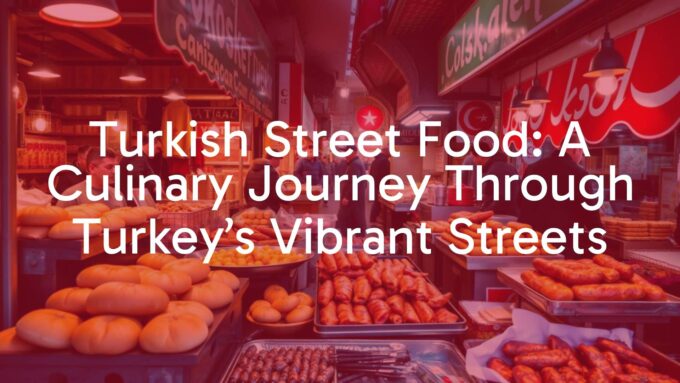
Turkish food is well-known and shows the country’s mix of traditions. Using ideas left over from the Ottomans, Turkish cuisine combines tastes from Central Asia, the Middle East, the Mediterranean, and the Balkans. Each area of Turkey has its own special food.
| Region | Famous Foods |
|---|---|
| West (Aegean, Marmara) | Olive oil dishes, meze, seafood |
| Central Anatolia | Mantı (dumplings), gözleme (stuffed flatbread) |
| Black Sea | Cornbread, anchovies, cabbage dishes |
| Southeast (Gaziantep, Adana, Urfa) | Kebabs, baklava, spicy dishes |
Common foods everywhere include various kebabs, soups, pickled vegetables, bread, and yogurt. Bread is especially important and served at almost every meal.

Eating Together
Sharing food is a big part of Turkish life. Meals can have several exciting courses served for everyone to share. The dinner table is a place for long talks, laughter, and building friendships. Hosting and being a good guest is a point of pride in Turkey.
Turkish Tea and Coffee
Tea (çay) and coffee are much more than drinks-they show hospitality and bring people together. Tea is the most popular drink, usually served in small, curved glasses and offered at almost every shop, office, or home you enter. Most people have many cups of tea every day.
Turkish coffee is made in a small pot and served strong, often with a sweet on the side. After drinking, people sometimes try to tell fortunes from the coffee grounds. Coffee houses used to be important meeting places in the past and still are today.
What Are the Main Festivals and Holidays in Turkey?
National Public Holidays
- October 29: Republic Day (founding of modern Turkey, celebrated with parades and ceremonies)
- April 23: National Sovereignty and Children’s Day (dedicated to children with many fun events)
- August 30: Victory Day (marks a key win in the War of Independence)
- May 19: Youth and Sports Day (honors Atatürk and inspires activities for young people)
Religious Celebrations
- Ramadan (month of fasting, ending with evening meals-iftar-and gatherings)
- Şeker Bayramı (Eid al-Fitr): Three days of celebration, visiting family, neighbors, and giving sweets
- Kurban Bayramı (Eid al-Adha): Four days, includes animal sacrifice and sharing food with others
Special Local Events
- Nowruz: Spring festival celebrated especially by Kurds, with fires and dancing
- Camel wrestling festivals: Held in Aegean towns, these are famous for their traditional fun
- Folk dance festivals: Includes performances like the Halay dance
What About Turkish Art and Architecture?
Ottoman-Style Buildings
Turkish buildings tell the story of its empires. The Ottomans built huge mosques with big domes, influenced by Hagia Sophia. Architect Mimar Sinan made over 300 buildings, such as the Süleymaniye in Istanbul and Selimiye in Edirne. Ottoman buildings later adopted styles from Europe, with places like Dolmabahçe Palace showing fancier influences.
Traditional Crafts: Carpets, Tiles, and Calligraphy
- Carpets and Kilims: Famous worldwide, each area has its own style, and they are valued for their bright colors and patterns.
- Iznik Tiles: Decorate many mosques and palaces, famous for blue and turquoise designs.
- Calligraphy: Special handwriting using Arabic script, found in decorations and religious texts.
- Miniature Painting: Small, detailed pictures showing history or poetry, influenced by art in Persia and China.

Modern Turkish Arts
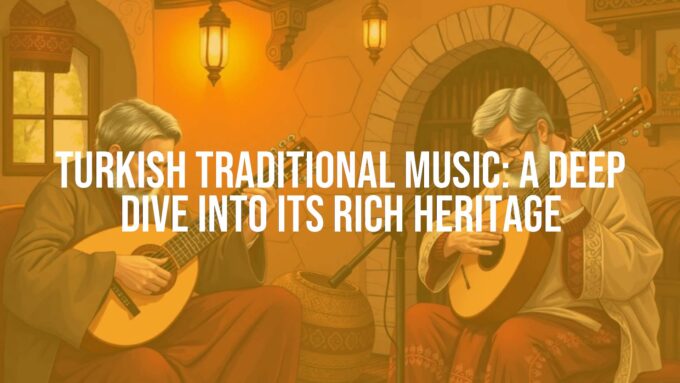
Today, Turkish film-makers, writers, and musicians are known internationally. Directors like Nuri Bilge Ceylan and Fatih Akın have won major awards. Music varies from old-style folk to modern pop. Well-known singers include Tarkan and Sezen Aksu. In literature, Nobel winner Orhan Pamuk writes about Turkish life and the clash between different cultures. Graffiti art is becoming popular, especially in big cities.
What Is Everyday Life in Turkey Like?
Daily Routines and Balancing Work and Life
In cities, people wake up with a big breakfast that might have cheese, olives, bread, and tea. Traffic in large cities can be heavy, and many work long hours. In rural areas, days follow farming needs and the seasons. Winters are for indoor tasks and social visits, while spring and summer are for hard fieldwork.
No matter where you are, family and friends are important. Lunch is often eaten together, and evenings are spent with others, usually around the dinner table. During religious times, like Ramadan, people may adjust their routines and spend more time socializing at night.
Shopping and Bargaining
Turkey is famous for its lively shopping culture and bargaining, especially in places like the Grand Bazaar in Istanbul. Popular items include:
- Handmade ceramics
- Textiles and carpets
- Jewelry and leather goods
- Onyx ornaments
When buying crafts or souvenirs, haggling is normal, and many people enjoy the bargaining process. Talking with sellers, even if you don’t buy, is considered part of the fun, showing Turkey’s love of friendly conversation.







Leave a comment