

Istanbul-Barcelona Flight Makes Emergency Landing Due to Wi-Fi Bomb Threat
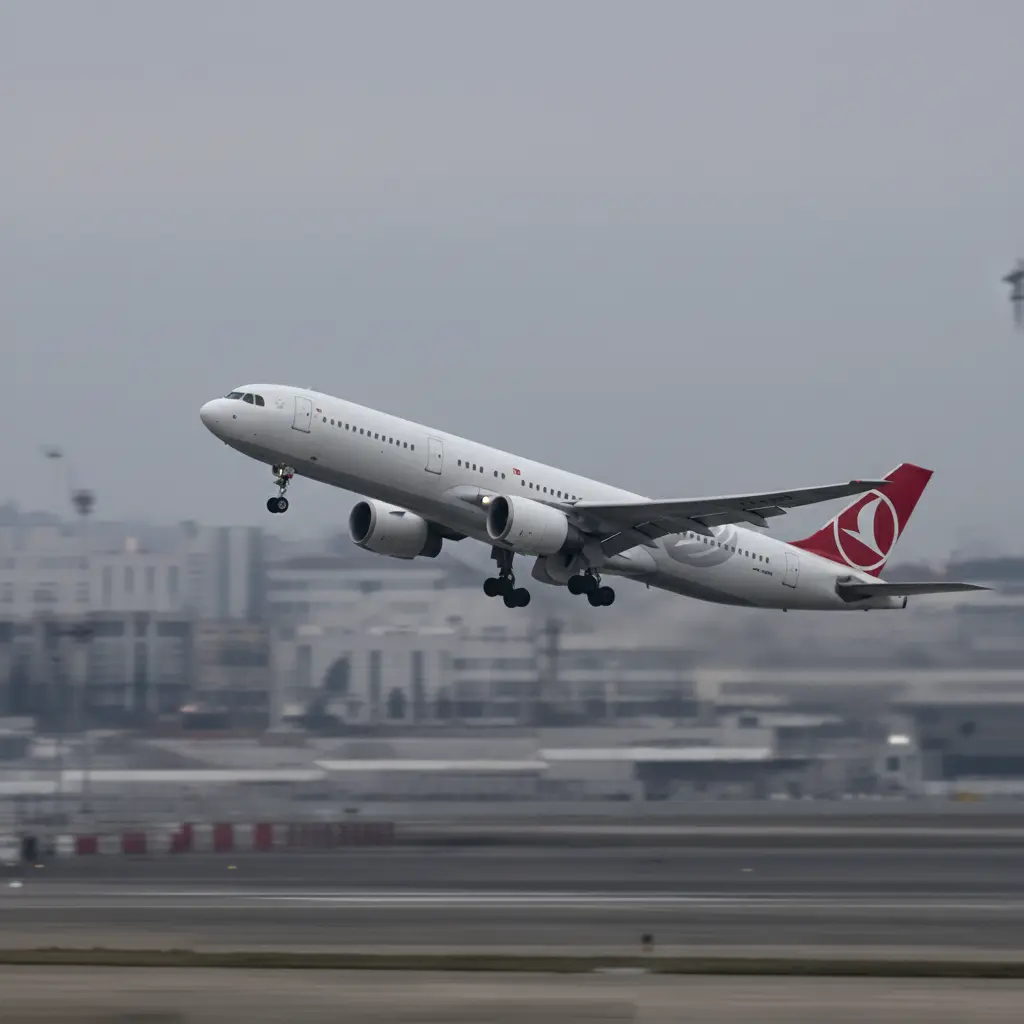
Istanbul, January 15 – A Turkish Airlines (THY) flight, TK1853, en route from Istanbul to Barcelona, made an emergency landing yesterday after a passenger was found to have created a Wi-Fi hotspot with a name containing a bomb threat. The incident prompted immediate activation of bomb threat protocols as the aircraft approached Barcelona.
Yahya Üstün, THY Head of Corporate Communications, confirmed the event via a social media statement. “During the approach of our TK1853 Istanbul-Barcelona flight to Barcelona, it was detected that a passenger created an in-flight internet access point and arranged its network name to include a bomb threat. Subsequently, necessary procedures were immediately initiated within the scope of flight safety,” Üstün stated.
Security Checks Reveal No Threat
Following the emergency landing, authorities from the relevant country conducted thorough security checks. Üstün further explained, “After the safe landing of the aircraft, checks are being carried out by the authorized authorities of the relevant country. The process is being conducted within the framework of international aviation security rules.”
Reports indicate that no adverse situation was found during the searches. “The necessary security searches were carried out by the authorized authorities of the relevant country, and no adverse situation was encountered,” Üstün announced.
Legal Action Against Passenger
Investigations have been launched to identify the passenger responsible for creating the Wi-Fi network name containing the bomb threat. Legal proceedings are expected to be initiated against the individual.
Üstün also confirmed that the return flight would proceed after the completion of passenger boarding. This incident highlights the heightened security measures and immediate response protocols in place for air travel, even for unconventional threats.
The event underscores the importance of passenger awareness regarding the serious implications of actions that could be perceived as security threats, regardless of intent. Airlines and aviation authorities prioritize the safety and security of all passengers and crew, leading to swift and comprehensive responses to any potential risks.
This incident also brings to light the challenges faced by airlines in managing in-flight connectivity and ensuring its responsible use. As Wi-Fi services become more common on flights, the potential for misuse, even inadvertently, necessitates robust monitoring and immediate action. The legal ramifications for the passenger involved will serve as a reminder of the strict regulations governing air travel security.
The quick and efficient response from the flight crew and ground authorities ensured the safety of everyone on board and minimized potential disruption. The flight’s diversion and subsequent security checks are standard procedures designed to mitigate any perceived threat, reinforcing the commitment to passenger safety in the aviation industry.
Further details regarding the passenger and the ongoing legal process are expected to be released as the investigation progresses. The incident serves as a cautionary tale for all travelers about the strict adherence to safety protocols and the severe consequences of actions that compromise flight security.