
Turkish Foreign Minister Hakan Fidan Meets Kurdistan Islamic Union Leader Selahaddin Bahaddin in Ankara
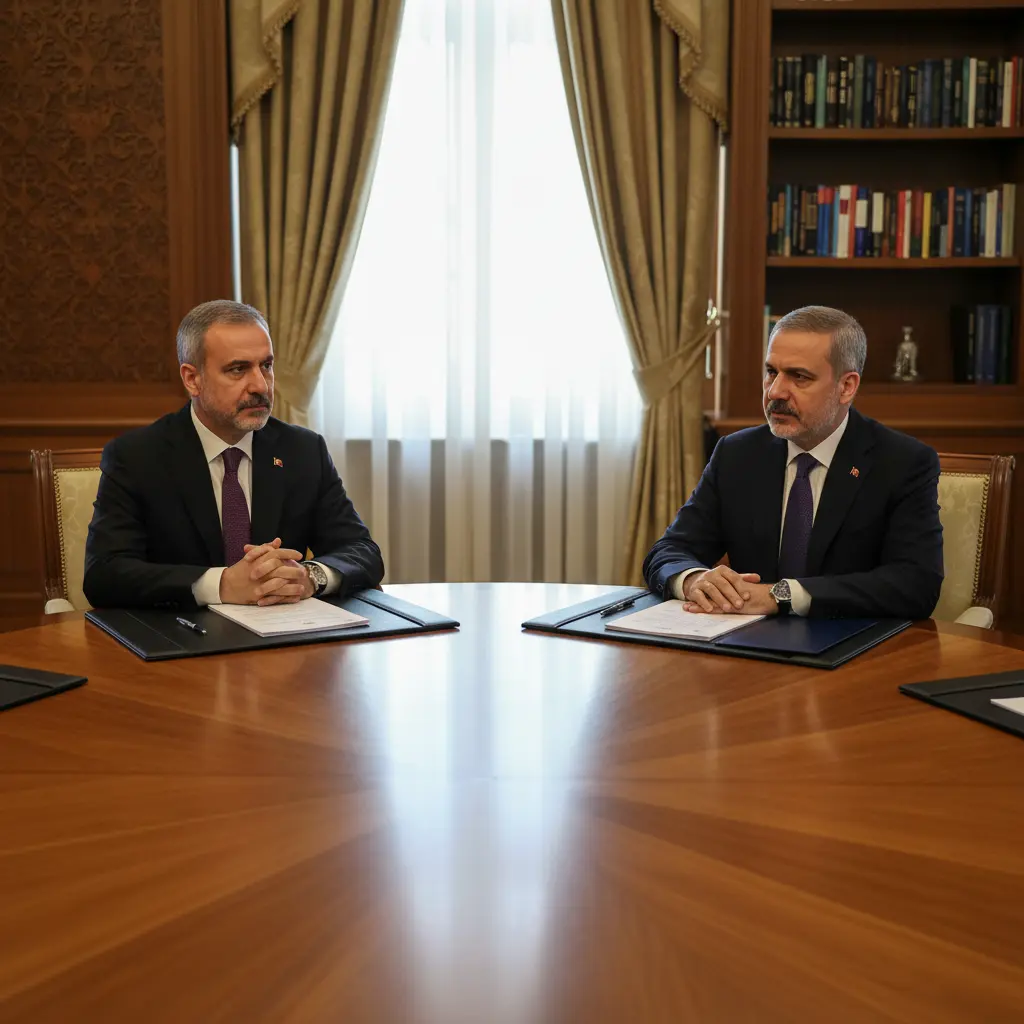
Ankara, January 21, 2026 – Turkish Foreign Minister Hakan Fidan held a significant meeting with Selahaddin Bahaddin, the leader of the Kurdistan Islamic Union (Yekgirtu), in Ankara yesterday. The diplomatic encounter, confirmed by sources, took place in the Turkish capital, underscoring ongoing efforts to foster dialogue and address regional issues.
Diplomatic Engagement in Ankara
The meeting between Minister Fidan and Bahaddin was conducted in Ankara, as reported by diplomatic sources. This high-level discussion signifies the continued engagement between Turkish officials and key political figures from the Kurdistan region, aiming to strengthen ties and discuss matters of mutual interest.
Focus on Regional Dynamics and Bilateral Relations
While specific details of the discussions have not been publicly disclosed, such meetings typically cover a range of topics including regional security, political developments in Iraq and the broader Middle East, and the future of Turkish-Kurdish relations. The Kurdistan Islamic Union is a prominent political party in the Kurdistan Region of Iraq, making its leader’s visit to Ankara a notable event in regional diplomacy.
Minister Fidan’s proactive diplomatic agenda frequently involves engaging with leaders from neighboring regions to ensure stability and cooperation. This meeting with Bahaddin aligns with Turkey’s broader foreign policy objectives of maintaining open channels of communication and addressing potential challenges through dialogue.
Previous Engagements and Future Prospects
This meeting follows a series of diplomatic engagements by Turkish officials with various political and community leaders from the Kurdistan Region. Such interactions are crucial for understanding the evolving political landscape and for fostering a climate of mutual respect and understanding.
The visit of Selahaddin Bahaddin to Ankara highlights the importance both sides place on direct communication. It is anticipated that these discussions will contribute to a better understanding of perspectives and may pave the way for further cooperation on various fronts, including economic, security, and cultural exchanges.
The Turkish Ministry of Foreign Affairs has yet to release an official statement detailing the outcomes of the meeting, but the mere occurrence of such a high-profile gathering suggests a commitment to ongoing dialogue and the peaceful resolution of regional matters. Observers will be keen to see if this meeting leads to any concrete announcements or shifts in policy in the coming weeks.
The meeting underscores the complex and dynamic nature of regional politics, where diplomatic efforts are continuously made to navigate challenges and build bridges between different entities. The presence of the Kurdistan Islamic Union leader in Ankara is a testament to the enduring significance of these bilateral engagements.
Further updates on the discussions are expected to emerge as both parties continue their diplomatic activities. The outcome of such meetings often has implications for regional stability and the broader geopolitical context of the Middle East.