


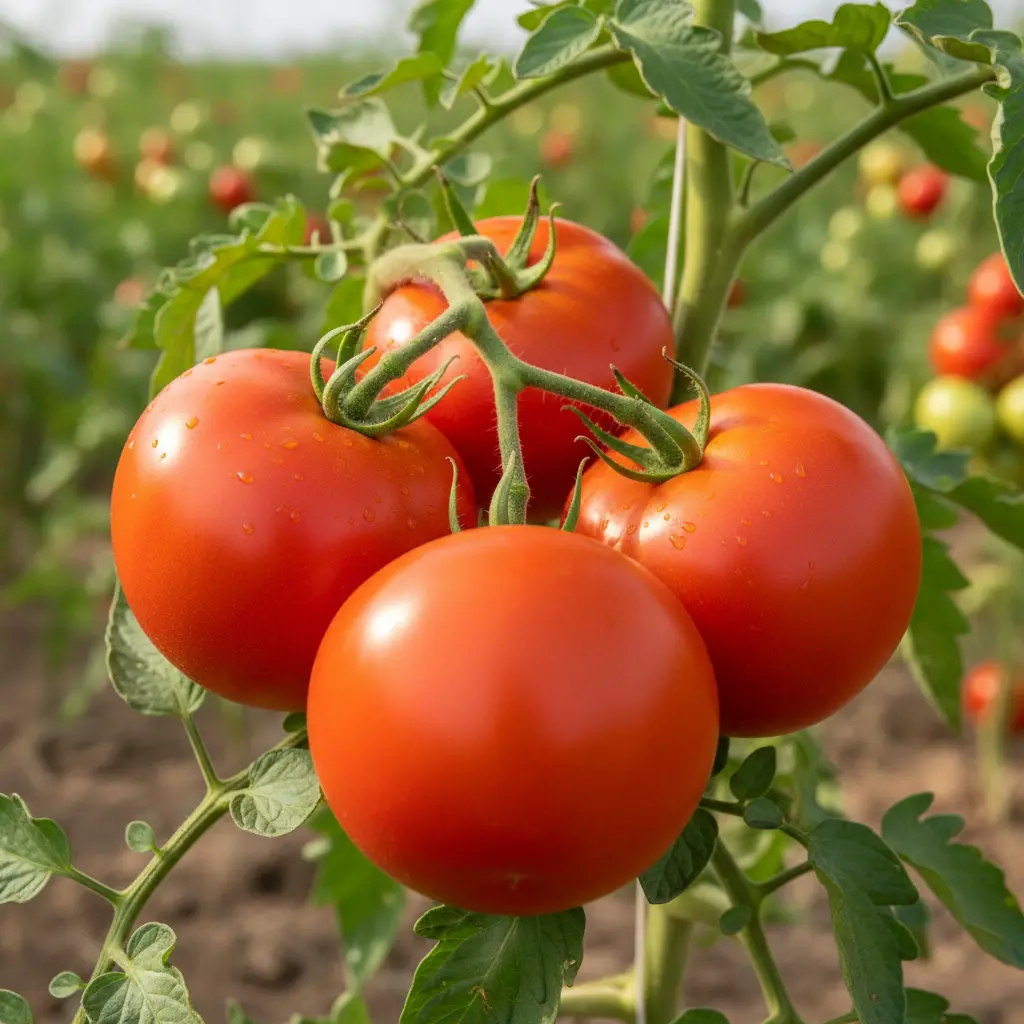
Ankara’s Ayaş Tomato Among World’s Best, Production Revived
Ankara, February 26 – The Ayaş tomato, a local variety from the Ayaş district of Ankara, has been recognized as one of the world’s best tomato types by the international gastronomy platform Taste Atlas. This significant achievement follows a period where the production of this unique tomato was on the verge of disappearing, only to be successfully revived through dedicated efforts.
Global Recognition for a Local Gem
Taste Atlas, a renowned platform for traditional food and local ingredients, recently announced its list of the most appreciated tomato varieties globally. While Italy dominated the rankings, the Ayaş tomato from Turkey secured a prominent position, highlighting its exceptional taste and quality. The platform noted its intense flavor, making it a favorite for raw consumption, as well as for making sauces and pastes.
A Near-Extinction and a Remarkable Comeback
The journey of the Ayaş tomato to global recognition was not without its challenges. For a period, the production of this thin-skinned, soft-textured tomato was significantly declining. Farmers in the Ayaş region began abandoning its cultivation due to difficulties in transportation and marketing. Many even opted for imported seeds instead of the traditional Ayaş variety.
The turning point came when the son of the late businessman Hilmi Başer, Selami Başer, serendipitously discovered old Ayaş tomato seeds in his friend’s mother’s chest. He then embarked on a mission to multiply these seeds and re-establish Ayaş tomato cultivation.
EU Geographical Indication Status
Following these revival efforts, the Ayaş Chamber of Agriculture initiated the process for the Ayaş tomato to receive European Union (EU) registration. This endeavor proved successful, with the Ayaş tomato being registered as a Protected Designation of Origin (PDO) by the EU. This made it the first product from Ankara to receive an EU geographical indication, further solidifying its unique identity and quality.
Key Tomato Varieties Recognized by Taste Atlas:
- San Marzano (Italy, Naples) – 4.6: Known as the ‘king of tomatoes,’ grown along the Sarno River. Valued for its thin skin, few seeds, and bright color, it’s primarily used in Vera Pizza Napoletana.
- Santorini Tomato (Greece, Cycladic Islands) – 4.5: A firm, seedy variety cultivated on Santorini and surrounding islands since the 1870s, considered a premium island product.
- Pachino Tomato (Italy, Pachino, Sicily) – 4.5: Noted for its sweet aroma and juicy texture, named after the town of Pachino. Popular in salads, pasta, and pizza, it boasts a long shelf life.
- Sicily Tomato (Italy, Sicily) – 4.4: Thin-skinned and with few seeds, this tomato resembles a date. Its flavor makes it ideal for fresh consumption, and it’s known for its post-harvest durability.
- Florence Tomato (Italy, Florence) – 4.1: With a high balance of sugar and acidity, it’s often cooked, used in soups, sandwiches, and salads.
- Piennolo del Vesuvio (Italy, Vesuvius National Park) – 4.1: Dried using the ‘Piennolo’ method, these tomatoes can be stored year-round without spoiling. They become more flavorful with age and are used in pizza and pasta.
- Liguria Tomato (Italy, Liguria) – 3.8: Also known as ‘Oxheart’ due to its large size, it has few seeds and low acidity. Its thin skin and weight of up to 500 grams make it popular in Caprese salad and Bruschetta.
- Ayaş Tomato (Turkey, Ayaş, Ankara) – 3.7: Loved throughout Turkey for its intense flavor, it’s primarily consumed fresh but also used in sauces and pastes.
- Louisiana Tomato (USA, Louisiana) – 3.4: Grown in Louisiana’s humid climate, it carries an intense aroma. Harvested between June and August, it doesn’t tolerate cold weather, which can negatively affect its flavor.
- Russian Tomato (Russia) – 3.3: Distinctive for its yellow color and mild taste profile. It’s consumed canned and as a sauce, maturing in approximately 80 days.
Turkey produces 14.5 million tons of tomatoes annually, with an average per capita consumption of 109 kilograms per year.