


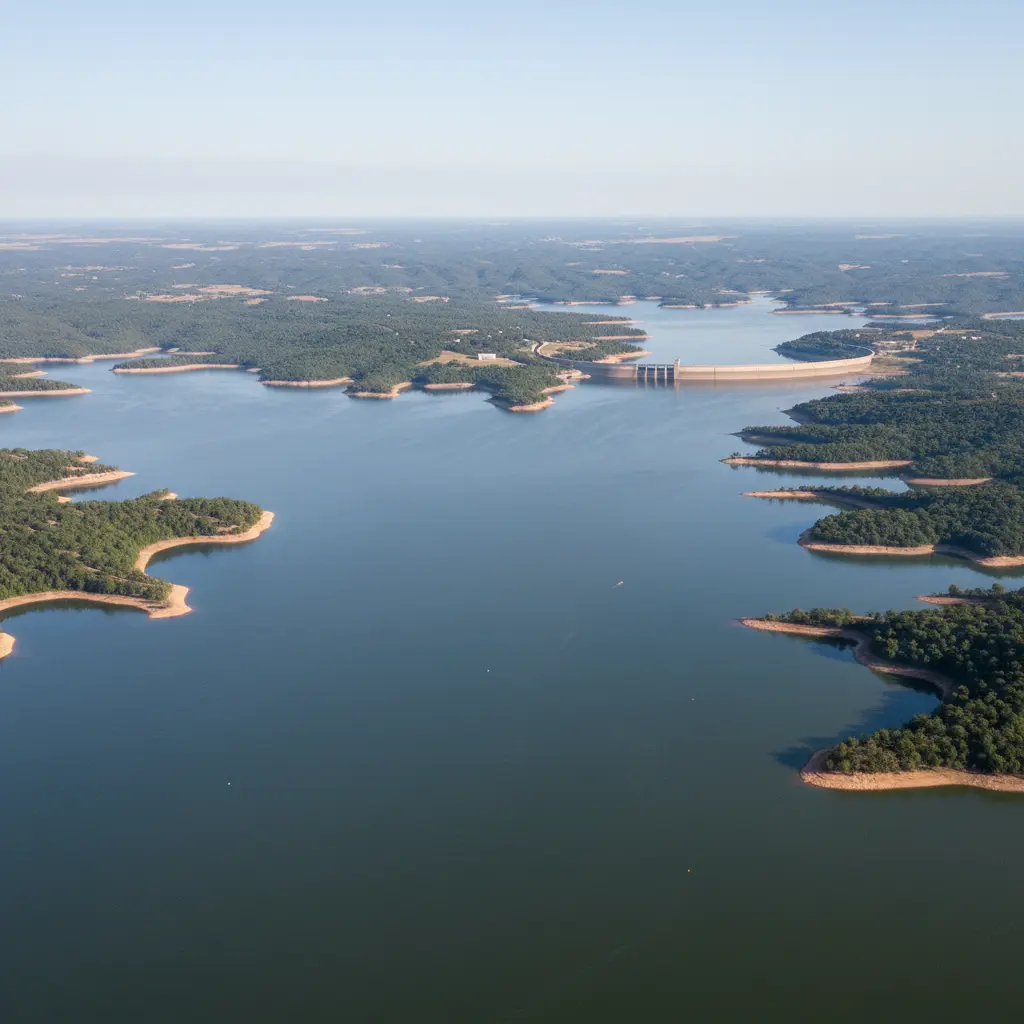
Istanbul, Turkey – After a dry winter raised concerns about the city’s water supply, recent rainfall has brought a significant increase in the occupancy rates of Istanbul’s dams. According to data released by the Istanbul Water and Sewerage Administration (İSKİ), the average dam occupancy rate for the city has reached 70.2% as of April 12.
Dam Levels Rebound After Critical Winter Lows
The past winter months saw dam levels drop to critical lows, prompting worries among residents and authorities. However, the recent period of consistent precipitation has reversed this trend, offering a much-needed replenishment to the city’s water reserves. The İSKİ data, updated on April 12, 2026, at 13:56, indicates a positive outlook for Istanbul’s water security.
Detailed Overview of Dam Occupancy Rates
The latest figures show varying levels of recovery across Istanbul’s key dams. While the overall average stands at 70.2%, individual dam levels present a more granular picture of the current situation:
- Alibey Dam: 67.75%
- Büyükçekmece Dam: 56.75%
- Darlık Dam: 86.32%
- Elmalı Dam: 92.71%
- Istrancalar Dam: 72.11%
- Kazandere Dam: 62.34%
- Pabuçdere Dam: 58.91%
- Sazlıdere Dam: 45.7%
- Terkos Dam: 56.12%
- Ömerli Dam: 92.55%
Elmalı Dam and Ömerli Dam currently boast the highest occupancy rates, both exceeding 92%, indicating they are nearly at full capacity. Conversely, Sazlıdere Dam registers the lowest level among the monitored reservoirs. These fluctuations highlight the localized impact of rainfall and the diverse capacities of each dam within the city’s water network.
Impact of Increased Water Levels on Istanbul
The rise in dam occupancy rates is a welcome development for Istanbul, a metropolis of over 15 million people. Adequate water reserves are crucial for daily consumption, industrial use, and environmental sustainability. The current levels significantly reduce the immediate risk of water shortages that loomed during the drier periods.
Authorities have not yet released specific statements regarding long-term water management plans in light of these improved figures. However, the current trend provides a comfortable buffer and allows for more strategic planning for the upcoming summer months, which typically see higher water consumption.
Expert Commentary and Future Outlook
While the current situation is positive, experts often emphasize the importance of sustainable water management practices, regardless of current dam levels. Istanbul’s climate, characterized by warm, dry summers and mild, wet winters, makes it susceptible to periods of water stress. Therefore, continued efforts in water conservation and efficient usage remain paramount.
The recent increase in dam levels underscores the critical role of natural precipitation in maintaining the city’s water supply. It also serves as a reminder of the delicate balance between urban development, population growth, and environmental factors in ensuring resource security for a megacity like Istanbul.
The İSKİ will continue to monitor dam levels closely and provide updates to the public. Residents are encouraged to stay informed about water conservation guidelines and to use water responsibly.
Source: https://www.istanbulgazetesi.com.tr/barajlarda-yuzler-guldu-doluluk-oranlarinda-artis