
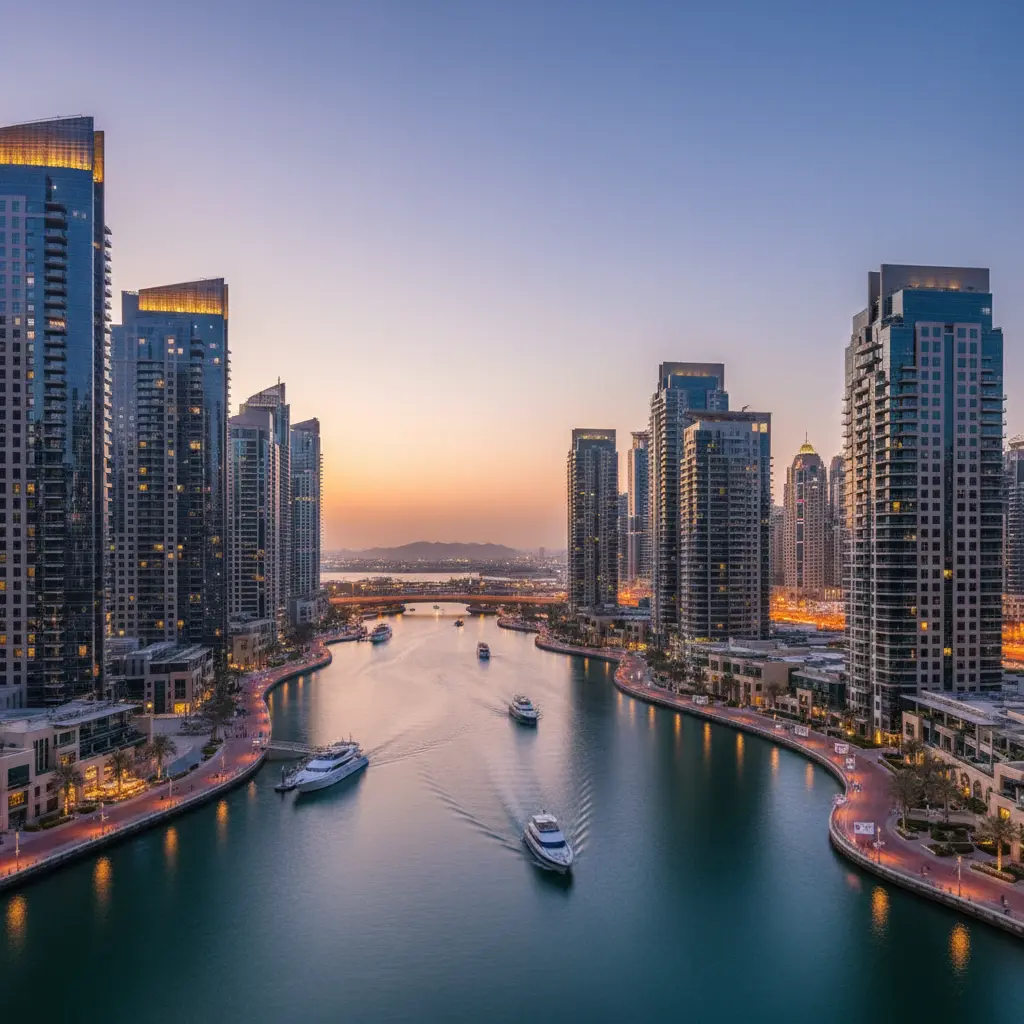
Ongoing geopolitical tensions and escalating security risks in the Middle East are prompting Gulf capital to search for alternative, safer havens. While the region boasts a fund size of 4 trillion dollars, some investors in Dubai, which has attracted real estate investments and capital from 182 countries in recent years, have begun exploring alternative locations for their offices.
Middle East Turmoil Reshapes Investment Landscape
Sector representatives indicate that calls for office space inquiries in Istanbul began when the first missiles targeted airports in Dubai. “Regional instability is shifting capital from ‘risky distant geographies’ to ‘safe nearby geographies’,” they noted. The ongoing conflict in the Middle East and its impact on the office market were discussed by industry experts.
The ‘Wait-and-See’ Strategy and its Implications
Furkan Bayoğlu, Chairman of the Board of Sevent Companies Group, highlighted the uncertainty surrounding the duration of the war and the security environment. “Everyone is on hold, waiting, but we can confidently say that the region’s momentum is weakening,” Bayoğlu stated. He pointed out that with the onset of the war, residential sales transaction volume in Dubai decreased from 7.55 billion dollars to 5.61 billion dollars.
“Although prices have not yet reflected this, it is considered inevitable if the war prolongs. The attractiveness of Gulf cities, which have been presented as safe investment centers for years, has been seriously shaken, and it does not seem easy for this perception to recover in the short term,” Bayoğlu added. He emphasized the prevailing ‘wait-and-see’ approach among investors. “Especially in the office segment, the number of companies postponing central office decisions or shifting to alternative locations is increasing. The national wealth funds of Gulf countries are approximately 4 trillion dollars; even a small fraction of this changing direction would mean a massive movement.”
Istanbul’s Rising Prominence
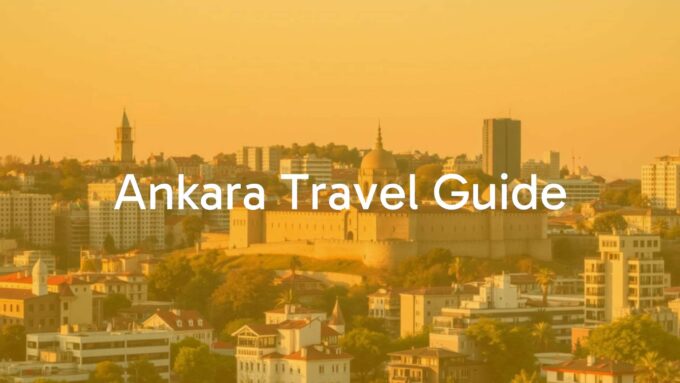
When asked if new office investments are shifting to Turkey due to the war, Bayoğlu responded: “Signs of a shift can be observed. When the first missile hit Dubai, phones started ringing. Regional instability is moving capital from ‘risky distant geographies’ to ‘safe nearby geographies’. Turkey stands out as an energy corridor, logistics center, and a secure investment platform.”
Avi Alkaş, Chairman of the Board of Alkaş & HAN Spaces, expressed his expectation for increased demand in the Istanbul office market in light of geopolitical developments. “However, office applications from that region to Istanbul are not something that will happen overnight. We have a great opportunity with the Istanbul Finance Center. We need to utilize this very well. The sector also needs to be prepared for this, balanced with housing and accommodation so that people can come and work here.” Regarding the domestic office market, Alkaş mentioned that office rents are now being heard again at the 40-50 dollar level, and with service expenses, operating costs are reaching 80-90 dollars, with the market currently seeking a balance.
Rebalancing Rather Than Abandonment
İrem Aksay, Construction Delay Analysis and Dispute Consultant in Dubai, noted that the war in the Middle East is forcing companies to rebalance rather than completely abandon the Gulf. Aksay pointed to the increased risk perception. “This is bringing cities like Istanbul back into focus. Turkey, with its geographical location and its role as a bridge between Europe and the Middle East, is becoming a meaningful alternative for operational diversification for some companies. However, this shift is not only to Turkey. Africa is also increasingly emerging as a strong alternative.”
Slowdown in Rent Increases and Office Downsizing
Evaluating Turkey’s commercial real estate market, Furkan Bayoğlu stated that Levent, Ataşehir, and Kozyatağı are the most demanded locations during this period. “The common feature of these regions is that they offer direct access to main transportation lines such as metro and metrobus,” he said. Bayoğlu also addressed rents, stating, “The pace of rent increases in the office market has definitely slowed down. Companies are generally downsizing due to both increasing operating costs and the permanent nature of the hybrid working model. Firms that previously operated in a thousand square meters are now moving into 600-700 square meter spaces. This means a reduction of approximately 25 percent.”
Geographic Diversification and Dubai’s Enduring Appeal
International real estate expert and Parcel Estates CEO Özden Çimen noted that there is no panic selling in the market yet. Çimen stated that Dubai has not lost its appeal, but international investors are geographically diversifying. “Investors are recently considering different locations such as London, Lisbon, Istanbul, Miami, and Barcelona as additional portfolio destinations. We can see this as a risk diversification strategy. Dubai’s opportunities for foreign ownership, residency, and financing are still advantageous compared to its competitors.”
Alternative Routes for Investors
Haitham Ahmet Alamarioğlu, international real estate expert and CEO of Level Immigration & Properties, stated that Dubai has partially lost its appeal, but there is no sudden exodus. “Investors are now asking questions like, ‘if I need to exit this market and my capital gets stuck here, what is my Plan B?’ Three routes stand out as alternatives to Dubai for international real estate investors: Turkey, Greece, and Panama.”
The shift of Gulf capital towards Istanbul is a complex phenomenon driven by a confluence of geopolitical instability, economic rationality, and strategic diversification. While Dubai retains some of its allure, the growing appeal of Istanbul as a secure and strategically located hub for offices and finance underscores a significant reorientation in regional investment patterns. This trend highlights not only Istanbul’s potential but also the broader implications of global and regional events on investment flows and urban development.