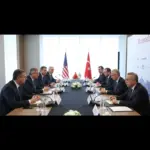

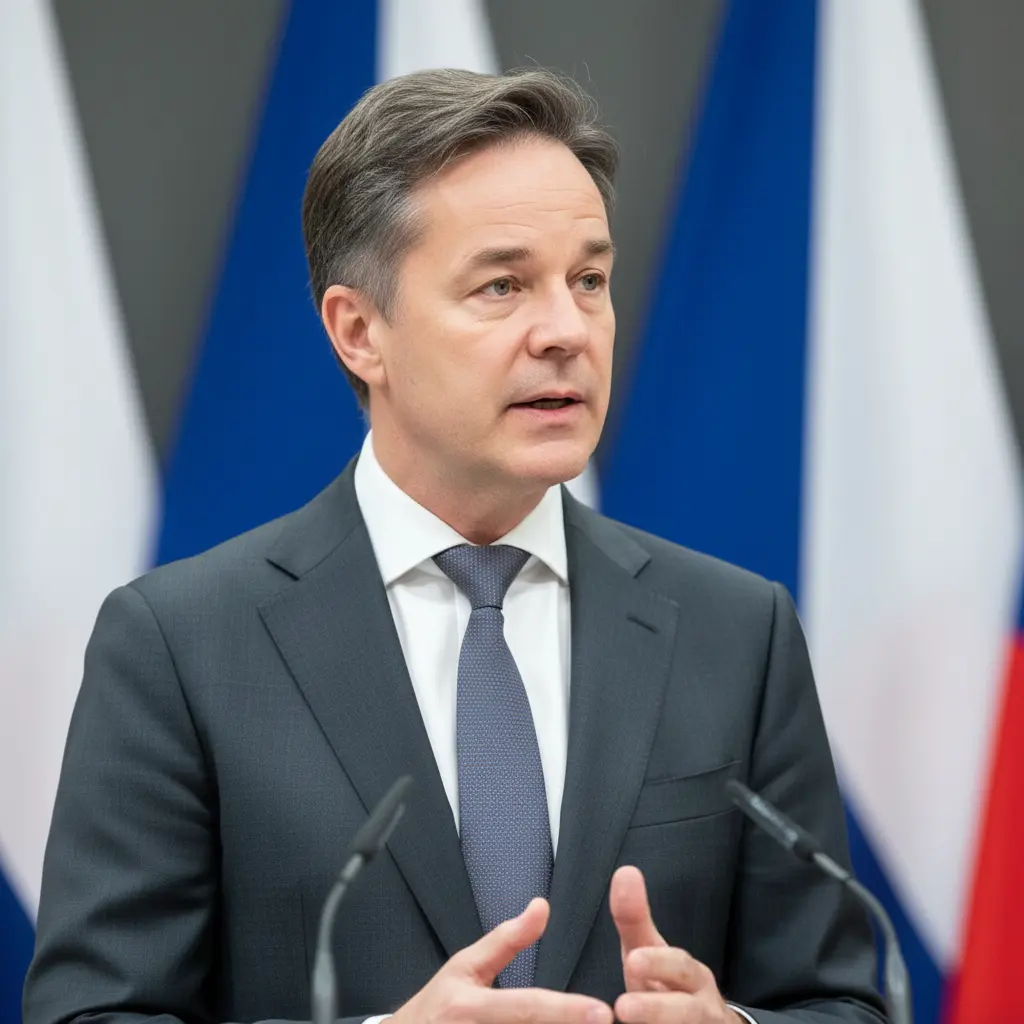
NATO Secretary General Mark Rutte is currently in Ankara for high-level discussions with Turkish officials. The visit is part of preparations for the upcoming NATO Summit, which Turkey will host in July. Several significant topics are on the agenda, reflecting Turkey’s pivotal role within the alliance and its broader security interests.
Key Issues on the Table
The discussions are expected to revolve around four primary areas:
- Gulf Outreach: Turkey’s initiatives and strategies concerning its engagement with countries in the Gulf region.
- Trump’s Participation in the Summit: The potential attendance of former U.S. President Donald Trump at the upcoming NATO Summit and its implications.
- Turkey’s F-35 Process: Updates and ongoing developments regarding Turkey’s involvement in the F-35 fighter jet program.
- Multinational Security Structure in Hormuz: Plans for establishing a multinational security framework in the Strait of Hormuz, a critical maritime chokepoint.
Beyond these primary points, the meetings will also address long-standing disagreements between Turkey and Greece, the Cyprus issue, and the enhanced role of Turkish defense industry companies in European security. These topics underscore the multifaceted nature of Turkey’s contributions and challenges within the NATO framework.
Meeting with President Erdoğan Expected
President Recep Tayyip Erdoğan is anticipated to receive Secretary General Rutte today. This meeting will provide an opportunity for both leaders to delve into these critical issues and align strategies ahead of the July summit. The discussions are crucial for fostering stronger cooperation and addressing potential points of contention within the alliance.
Turkey’s Security Policies and Alliance Role
Turkey’s security policies and its strategic role within NATO are central to these discussions. As a key member at the crossroads of Europe and Asia, Turkey’s perspectives on regional security, counter-terrorism efforts, and defense capabilities are highly valued. The ongoing dialogue aims to ensure a cohesive and effective alliance response to evolving global challenges.
The visit by Secretary General Rutte highlights the importance of continuous consultation and collaboration among NATO members, particularly during periods of geopolitical flux. The outcomes of these talks in Ankara will likely shape the agenda and tenor of the upcoming NATO Summit, reinforcing the alliance’s collective security posture.
The emphasis on the Turkish defense industry’s role in European security also signals a growing recognition of Turkey’s technological advancements and manufacturing capabilities in defense. This could lead to increased partnerships and collaborations that strengthen the overall defense architecture of the continent.
The discussions on the multinational security structure in Hormuz are particularly pertinent given the strategic importance of the region for global energy supplies. Turkey’s involvement in such initiatives could contribute significantly to maritime security and stability.
Overall, the critical traffic in Ankara preceding the NATO Summit underscores the complex and dynamic nature of international relations and the continuous efforts required to maintain peace and security in a rapidly changing world.