



Istanbul is a city full of history and culture, connecting Europe and Asia. If you’re planning a trip to this lively city, this guide will help you get the most out of your visit. From old churches to busy markets, Istanbul has a lot to offer anyone who wants to explore its unique streets. Here, we’ll cover everything you need to know for a comfortable and enjoyable trip.

Essential Things to Know Before Your Trip
Visa Requirements
Before you visit Istanbul, check whether you need a visa. Many countries do, but there’s an easy online e-visa system available for over 40 nationalities, including Australia and Canada, since 2013. Citizens from the US and EU might not need a visa, but always check the current rules for your country before travel.
Some people can get visas at the airport, but these usually cost about $10 more than the e-visa. Most tourist visas let you stay up to 90 days within a 180-day period. Getting your e-visa online before your flight is much easier and faster than waiting at the airport.
Safety in Istanbul
Istanbul is generally safe for tourists, and many travelers say they feel welcomed thanks to the friendliness of locals. Like any large city, it’s smart to watch your belongings, especially in crowded places like the Grand Bazaar where pickpockets can operate.
There are also warnings from some governments about terrorism risks at tourist spots and big events, but these are similar to warnings for other major cities. Keep up with local news and avoid joining protests to stay safe. Overall, Istanbul’s atmosphere is warm and tourist-friendly.
Best Time to Visit
Choosing when to visit can affect how much you enjoy Istanbul. The best weather and manageable crowds can be found in spring (April to early June) and autumn (mid-September to early November). During these times, temperatures are comfortable (in the 60s and 70s °F), and the city is not packed with tourists.
| Season | Conditions |
|---|---|
| Spring (Mar-Jun) | Mild, flowers in bloom, good for the Tulip Festival |
| Summer (Jun-Aug) | Hot (80s °F), busy, more expensive |
| Autumn (Sep-Nov) | Pleasant, fewer tourists, good for exploring |
| Winter (Dec-Jan) | Cheapest, cold and may snow, can disrupt travel |

How Many Days to Spend
Many suggest at least three days to see the main sites, but a week allows you to explore different areas, take your time, and enjoy the local food and culture. If you stay 7-10 days, you can fully appreciate the city’s variety, including neighborhoods on the Asian side.
Currency and Money Matters
The Turkish Lira (TRY) is the main currency. Sometimes you can use dollars or euros in tourist spots, but you’ll get better prices using lira. Credit and debit cards (especially Visa and Mastercard) are accepted in many places, but carry cash for taxis, street food, and smaller shops-sometimes cards have a minimum spend limit. Most ATMs charge a fee (up to 5%) and have daily limits. Ziraat Bank often doesn’t charge extra. Carry small bills for street purchases.
Drinking Tap Water
Improvements have made tap water in Istanbul technically safe, but most locals and travelers still prefer bottled water to avoid stomach issues. Plumbing can be sensitive, so you might be asked in toilets to put used paper in bins rather than flushing.
Insurance and Health Tips
All visitors to Turkey must have travel insurance. Medical care can be expensive, so don’t skip it. For food safety, eat street food early in the day and carry hand sanitizer. Using an eSIM card for your phone can make it easier to access maps and translation apps on the go. Watch what you eat to avoid food poisoning, especially with seafood.
Learn a Few Turkish Words
English is spoken in tourist spots but understanding some basic Turkish will help you connect with locals and get around. Try to learn greetings like “merhaba” (hello), “nasılsın?” (how are you?), “teşekkür ederim” (thank you), and “hoşçakal” (goodbye). Apps like Duolingo and Memrise are helpful for practice. Making an effort will be appreciated by Turkish people.
Where to Stay in Istanbul
Main Neighborhoods for Tourists
Your choice of neighborhood will shape your visit. The most popular for first-timers are Sultanahmet (the Old Town) and Beyoğlu.
- Sultanahmet: Home to famous sights like Hagia Sophia, the Blue Mosque, and Topkapı Palace, all easy to walk between. Hotels here are close to main attractions but mostly serve tourists.
- Beyoğlu: Offers a modern environment, vibrant nightlife, and shopping, with great views of Sultanahmet and the Bosphorus from places like Taksim and Galata.

| Area | Vibe | Popular Hotels/Hostels |
|---|---|---|
| Sultanahmet | Historic, classic sites | Hotel Empress Zoe, Four Seasons Sultanahmet |
| Beyoğlu | Trendy, lively, modern | Hostel Le Banc, World House Boutique, Pera Palace Hotel |
European vs. Asian Side
Most tourists stay on the European side, near historic sites, but it’s a good idea to take the ferry and visit the Asian part as well. Kadıköy, on the Asian side, has a relaxed feel with cafes, bars, and restaurants; Üsküdar offers city views from places like Çamlıca Hill and tasty seafood. Spending at least one day on the Asian side is worth it.
Accommodation and Booking Advice
For a local experience, Airbnb is a good option, especially since some hotel booking sites like Booking.com don’t always work in Turkey. You’ll find everything from hostels to five-star hotels. Always read reviews and aim for places close to public transport. Some hotels offer airport transfers, which can be easier and sometimes less expensive than taxis.
Finding a Quiet Place to Stay
Tourist centers are convenient but can be noisy. To avoid noise, check hotel reviews for mentions of quiet rooms, inner courtyards, or locations away from busy areas. Consider neighborhoods just outside the main tourist zones, like Sisli, for a local atmosphere with access to attractions.
Getting Around Istanbul
Airport Transfers
Istanbul has two main airports: IST (European side) and SAW (Asian side), which are about 80km apart. Both airports have metro links and shuttle buses: Havaist (from IST) and Havabus (from SAW), running 24/7. A shuttle ride to Taksim is around 283.50 TRY (~$7). Private transfers can be arranged starting at about $30, and hotels can often help organize these as well.
Using Public Transport
Istanbul’s public transport is efficient and covers trams, metro, buses, ferries, funiculars, and shared minivans (dolmuş). Google Maps works well for planning journeys. Trams and metro are great for getting close to major sites, buses go further, but don’t always announce stops, and ferries double as sightseeing boats. Use funiculars for steep hills.
Getting an Istanbulkart
If you’re planning to use public transport often, buy an Istanbulkart. This travel card can be used for most trams, metros, buses, ferries, and even airport shuttles. It’s cheaper than buying single ride tickets. Cards are available at kiosks and metro stations for about 130 TRY and can be shared by up to five people. Some ticket machines may not accept foreign cards; cash is safer for top-ups.

Taxis and Ride-Hailing Apps
Taxis are metered in Istanbul. There are yellow (basic), turquoise (20% more expensive), and black (luxury, double price) taxis. Always make sure the meter is running, and follow your route on Google Maps to avoid being overcharged. Uber and local apps like BiTaksi and Itaksi are options for booking cabs, though insist on paying through the app.
Getting Around on Foot
Istanbul is hilly and some streets can be steep or have lots of steps. Comfortable shoes are a must. Funiculars and metro help with steep areas. If you have mobility issues, use accessible route options on Google Maps.
Saving Money in Istanbul
Money Exchange and ATMs
For the best exchange rates, use local exchange offices (döviz bürosu) in less touristy areas. ATMs usually charge fees (up to 5%), with Ziraat Bank having no extra fee. Notify your bank before your trip, and consider using travel debit cards like Wise to save on fees.
Museum Passes
If you plan to see multiple museums, get a pass like the Istanbul Museum Pass (5 days) or E-Pass (up to 7 days). These let you skip lines and save money at places like Galata Tower, Topkapı Palace, the Archaeological Museum, and more. Most mosques (like Hagia Sophia and Blue Mosque) are free as working places of worship, but museum passes cover most other sites.
Haggling at Markets
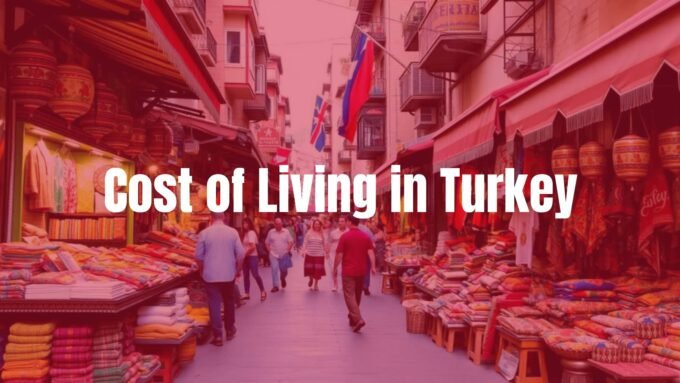
It’s normal to bargain in Istanbul markets, especially in the Grand Bazaar and Spice Market. Start by offering 50-65% of the asking price and feel free to walk away if you don’t agree. For more genuine goods and better prices, visit local markets outside the main tourist spots.
Avoiding Scams and Tourist Traps
Watch out for taxi scams (always check the meter and have small bills), inflated prices, and overly friendly strangers. Avoid restaurants without clear menus and prices, and be cautious when approached by people offering tours or guide services out of the blue.
Food and Drink in Istanbul
Turkish Breakfasts
A Turkish breakfast (“kahvaltı”) is a feast, with bread, cheeses, jams, olives, eggs, and plenty of tea. Try menemen (scrambled eggs with peppers and tomato), sausages, and lots of fresh vegetables. For breakfast, check out cafes in Beşiktaş or bakeries (“borekcis”) for filled pastries. For a quick snack, grab a simit (Turkish bagel) from street sellers.

Popular Street Foods
- Balık Ekmek: Grilled fish sandwich, often by the water
- Fresh Juices: Orange or pomegranate, sold at street carts
- Roasted Chestnuts: Warm snack in cooler months
- Simit: Ring-shaped bread with sesame seeds
- Börek: Savory flaky pastry with fillings
- Döner: Rotisserie meat in wraps or plates
- Dondurma: Chewy ice cream, often served with a performance
Most street food is cash only.
Drinks to Try
- Çay (Tea): Strong black tea, served all day in tulip-shaped glasses
- Turkish Coffee: Thick, rich, and served in small cups after meals
- Ayran: Cold yogurt drink, salty and refreshing
- Rakı: Strong anise-flavored drink, often with seafood
- Boza: Thick, fermented drink, mostly in winter
Alcohol isn’t served everywhere, especially on the Asian side. Shops can’t sell alcohol late at night or near mosques and schools.
Eating Out and Local Customs
Meals are social and often unhurried. Staff won’t rush you, so signal when you want the bill. For authentic food, try meze (shared appetizers), lokanta (cafeteria-style restaurants), and foods like eggplant dishes and gözleme (stuffed flatbread).
Tipping
Tipping is appreciated. Leave about 10% at restaurants and cafes. For taxis, just round up. Service workers in baths or salons usually get 10-20% as a tip. Cash tips are preferred since you can’t always add one to the credit card payment.
Cultural Tips and Local Etiquette
How to Dress at Mosques
Dress modestly in religious sites: men should cover shoulders and legs at least to the knee; women should cover arms, legs, and hair. Large mosques lend out headscarves and loose coverings. Shoes must be removed before entering the prayer area.
Visiting Mosques and Prayer Times
Mosques close to visitors during prayer (about 90 minutes, five times a day). Check posted hours or online before you go. It’s best to visit outside prayer times, and avoid busy Fridays or Ramadan. Be respectful to those worshiping.
Turkish Baths (Hammam) Etiquette
- Men and women use separate areas
- Wear the towel provided; women keep underwear or swimsuits, men may wear less
- Therapists are the same gender as guests
- Bring cash to tip the therapist (10-20%)
Visiting Turkish Homes
If invited to a local’s home, always take off your shoes, and your host will give you slippers. Expect big spreads of food and enjoy the slow, friendly pace of Turkish hospitality.
Seeing Istanbul Like a Resident
To experience Istanbul more deeply, spend time outside tourist zones in places like Kadıköy and Balat. Take public ferries, try local tea houses, and practice your Turkish. Visit popular local markets and try to blend in with the day-to-day pace of the city.
Animal Care in Public
Cats are everywhere in Istanbul, and locals take pride in caring for them. You’ll spot feeding stations and water everywhere. The local approach is to look after street cats and dogs with kindness. Feel free to admire, but don’t disturb them.

Districts and Experiences You Shouldn’t Miss
Beyond Sultanahmet
The Asian side, including Kadıköy (trendy, full of cafes and shops) and Üsküdar (with impressive views and seafood restaurants), shows another side of Istanbul. The ferry ride itself is worth it for the scenery.
Best Views
- Rooftop bars: Balkon, 360 Istanbul, Symbol Nargile Lounge Teras
- Seven Hills Restaurant in Sultanahmet for views of famous mosques
- Çamlıca Hill for a city-wide perspective
- Sunset spots: the Galata Bridge area, above the Karaköy ferry dock
Whirling Dervish Shows
For a proper dervish ceremony (a Sufi religious dance), visit the Galata Mevlevihanesi Museum. These are real spiritual events, not only performances, so please watch respectfully.
Ferry and Bosphorus Cruises
Take a public ferry for views of both sides of Istanbul. Popular trips are Beşiktaş to Kadıköy or Karaköy to Üsküdar. Boats also go to the Princes’ Islands or up the Bosphorus towards the Black Sea. Public ferries cost just a few dollars and are great for sightseeing.
Day Trips from Istanbul
- Princes’ Islands: Relaxed, car-free, great for a full day’s escape
- Bursa: Historic city, good for winter sports or exploring and food
- Kilyos: Beaches on the Black Sea coast
- Gallipoli / Troy: For history lovers, these sites are farther but possible as long day trips
- Izmir: Accessible by a quick flight for a different regional flavor
More Things to Be Aware Of
How Much English Is Spoken?
English is common in Sultanahmet and some hotels and restaurants, but much less elsewhere. Only about 15-20% of people speak it. Knowing a few Turkish words will help you a lot and shows respect.
Pharmacies and Medical Help
Pharmacies, called “eczane”, are everywhere and marked with a red sign. Most are independent and offer personalized service. Many common medicines are available without a prescription, and prices are much lower than in much of Europe. For minor issues, ask the pharmacist directly.
Public Toilets
Mosques have public toilets, often cleaner than other public options. Some toilets are free, others cost 1-2 TRY, so carry small coins. Look for “bay” for men and “bayan” for women. Always throw paper into the bin (not the toilet) and carry your own hand sanitizer.
Local Customs That Might Surprise You
- A clicking sound (“tsk”) can mean “no” or “I don’t know,” and isn’t rude
- Don’t use your left hand for greetings; it’s considered unclean
- Don’t point your feet at others
- Islam is the main religion-prayer happens five times per day and Ramadan is observed
- Steer clear of conversations about politics or religion, and avoid sarcasm, as it isn’t always understood as humor
Extra Tips for a Great Trip
Organizing Your Itinerary
Istanbul is big, so it’s best to plan each day by neighborhood to reduce travel time and make the most of what’s on offer. For example, spend one day in Sultanahmet for classic sights, another in Beyoğlu for modern attractions, then a full or half-day in Kadıköy or Fener-Balat, and so on. Nearby sights can often be seen together for a more relaxed pace.
Dealing with Crowds
Visit popular attractions early or late in the day to avoid lines. The best seasons for fewer tourists are spring and autumn. Peak times for transport are 8-9:30 AM and evening rush hour, so try to travel outside of these times when possible. Pre-book skip-the-line tickets for busy attractions like the Basilica Cistern.
Enjoying Istanbul’s Special Energy
Istanbul is a place that’s always moving-full of sounds, lights, and color. Don’t be afraid to wander and explore beyond the main spots. Talk to locals, sip tea, try new foods, and let yourself enjoy the rhythm of daily life. The best memories often come from unexpected moments, hidden streets, and enjoying the city’s lively charm. Istanbul’s mix of history, food, people, and endless activity makes it a city that stays with you long after your trip is over.










Leave a comment