
Ankara Blames Kandil for Civilian Casualties in Aleppo Clashes, “Terror-Free Turkey” Process Unaffected
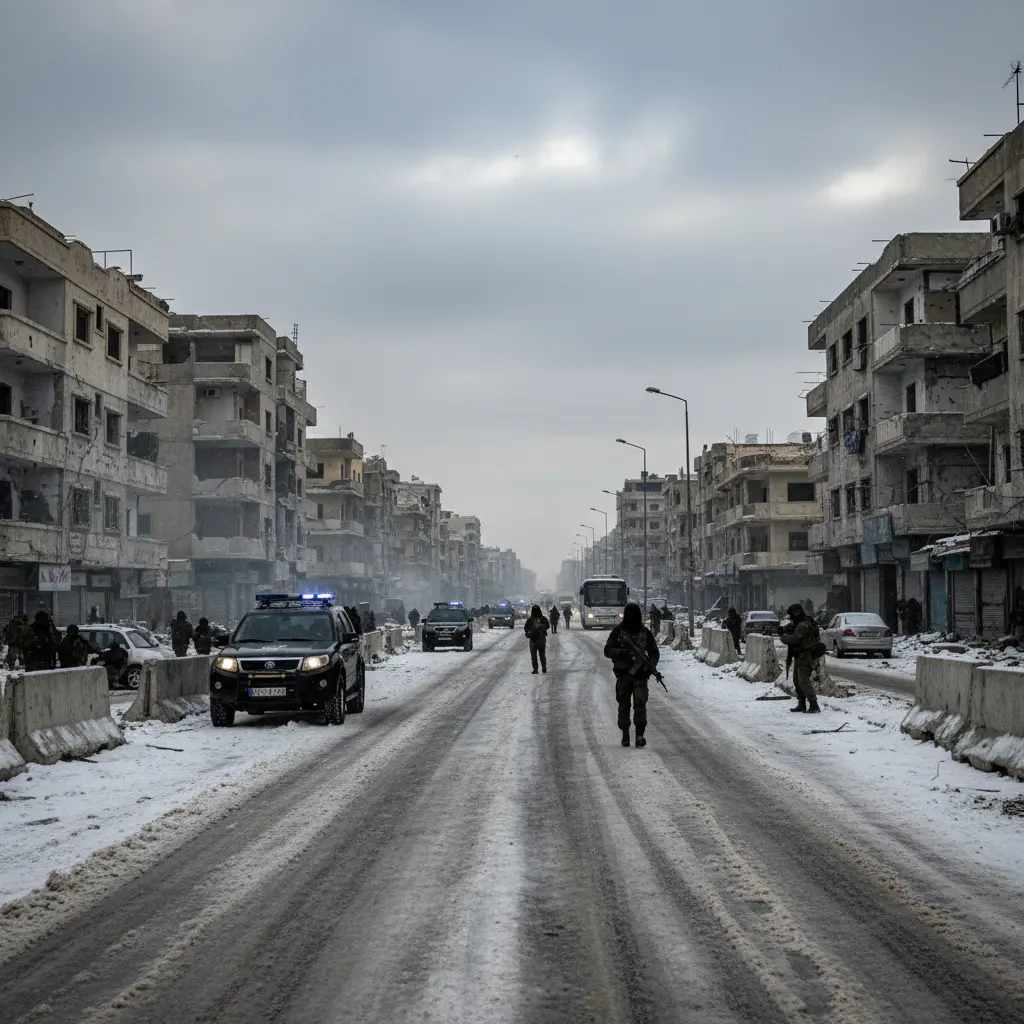
Ankara, January 10 – Security sources in Ankara have attributed responsibility to Kandil for the civilian casualties incurred during recent clashes in Aleppo’s Sheikh Maqsoud and Ashrafieh neighborhoods, predominantly inhabited by Kurdish populations. These sources affirmed that the ongoing developments in Aleppo will not impede Turkey’s “Terror-Free Turkey” initiative.
In a comprehensive assessment shared on January 10, it was revealed that the Syrian government had been engaged in political negotiations at various levels for approximately 10 months, aiming for a peaceful withdrawal of Kurdish forces from the Sheikh Maqsoud and Ashrafieh districts in Aleppo. However, the organization was accused of “attempting to gain time at the negotiation table while continuing its attacks on the ground, thereby destabilizing the region.”
MİT’s Efforts to Mediate
Clashes, reportedly commencing on January 5, saw the Turkish National Intelligence Organization (MİT) making “intensive efforts from the outset to end the conflicts through conciliation and dialogue.” Previously, sources had indicated MİT’s close contact with the Syrian government and the United States. Consequently, contact was established with the Syrian Democratic Forces (SDF) through various channels.
The latest update from security sources stated that “SDF General Commander Mazloum Abdi, Co-Chair of the Autonomous Administration of North and East Syria Foreign Relations Department Ilham Ahmed, and some other individuals displayed an open attitude towards conciliation.”
“Stay and Fight” Order from Kandil
While the initial stages of the operation saw no significant conflict, it was alleged that “after the encirclement of the Sheikh Maqsoud neighborhood, an order to ‘stay and fight’ was issued by the Kandil administration to its elements trapped in the region.”
Reuters reported on January 10, citing three Syrian security sources, that some Kurdish fighters, commanders, and their families had been relocated to the country’s northeast. Approximately 300 Kurdish fighters reportedly chose to remain and continue fighting in the Sheikh Maqsoud area.
Security sources asserted that Kandil was responsible for “all losses” in the ongoing clashes. The statement claimed that “despite the Syrian army having gained control over the entirety of Sheikh Maqsoud, PKK cadres entrenched in some buildings around the hospital were using civilians and hospitals as human shields.” It was also alleged that the PKK was conducting sniper attacks from their hiding spots via tunnels in the region, leading to the deaths of numerous Syrian security personnel.
SDF Denies Allegations and Calls for Investigation
The Syrian Democratic Forces, in statements on their X (formerly Twitter) account, denied allegations of targeting civilians and using tunnels in the conflict. The group invited independent international human rights committees to visit the hospital. The SDF accused Syrian government forces of attacking civilians in Khalid Fajr Hospital and attempting to “justify their crimes” with these allegations. The SDF also claimed that Turkish Akıncı unmanned aerial vehicles were used in the hospital attacks. Ankara’s security sources did not address these claims.
The sources emphasized that the events in the region were not an Arab-Kurdish conflict, highlighting that the PKK’s “pressure on the SDF was undermining the political reconciliation ground in Syria.” The statement concluded, “Despite all these events, the Terror-Free Turkey process, initiated under the leadership of President Recep Tayyip Erdoğan, continues and these incidents will not thwart the process.”
US Calls for Dialogue and De-escalation
Meanwhile, US Ambassador to Ankara and Special Representative for Syria, Tom Barrack, held a meeting with Syrian transitional government leader Ahmed Şara and Foreign Minister Esad Hasan Şeybani, where recent developments in Aleppo were also discussed.
In statements on his X account, Barrack said, “We call on all parties to exercise maximum restraint, immediately cease hostilities, and return to dialogue in accordance with the agreements signed between the Syrian government and the SDF on March 10 and April 1, 2025.”
The Syrian Democratic Forces (SDF), which controls the northeastern regions of the country, reached an agreement with the Damascus administration on March 10, 2025. This agreement guarantees the rights of all ethnic and religious minorities in Syria, envisages the integration of SDF-controlled areas and infrastructure into Damascus, and the integration of the SDF into the Syrian Army. However, a clear roadmap for its implementation has not yet been agreed upon.
The follow-up agreement reached on April 1 stipulated the withdrawal of Kurdish armed forces from Aleppo. Barrack, stating that he represented US President Donald Trump and Secretary of State Marco Rubio in the meeting, said that Rubio’s team was “ready to facilitate constructive cooperation between the Syrian government and the SDF to advance an inclusive and responsible integration process that respects Syria’s unity, upholds the principle of a single sovereign state, and supports the goal of a single legitimate national army.”
He added, “We call on Syria’s neighbors and the international community to support this vision and provide the necessary cooperation and assistance to help make it a reality.”
Source: BBC News Türkçe, Reuters, X (formerly Twitter)