


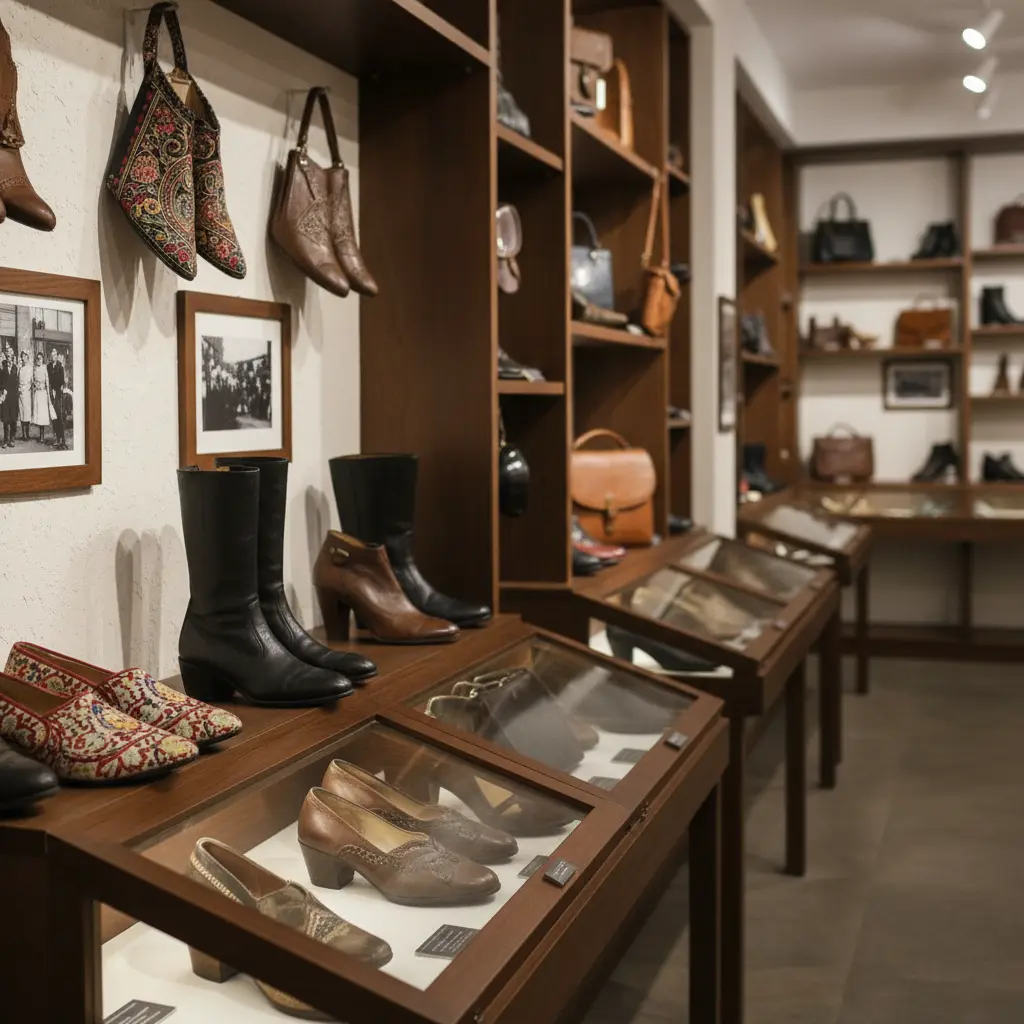
Ankara, March 21, 2026 – The Ankara Footwear and Bag Craftsmen and Artisans Chamber has opened a new Footwear and Bag Museum, aiming to preserve and present the rich history of the sector to future generations. Located within the Chamber’s premises on Ulus-Konya Street, the museum exhibits approximately 400 artifacts that trace the historical development of footwear and bag production.
A Living Memory of Craftsmanship
Hüseyin Uzun, President of the Ankara Footwear and Bag Craftsmen and Artisans Chamber, stated, “This museum, formed with years of effort and accumulation, serves as a living memory of our profession and craftsmanship.” He emphasized that the museum’s collection reflects a 45-year endeavor to gather significant pieces from the industry.
The museum’s collection includes historical men’s and women’s shoes, accessories, master craftsmen’s hand tools, molds, looms, production machinery, and sectoral books. This special collection, shedding light on different periods of the industry, offers visitors a nostalgic journey through time.
Highlights of the Collection
Among the prominent exhibits are:
- 150-year-old traditional çarık (a type of sandal)
- 500-year-old shoes from the 1700s with hobnails and iron heels
- Shoes made with wooden nails
- Bellows-style leather boots
- Women’s wallets and bags from past eras
- Old postal bags made of leather
- Traditional hand tools and materials used in shoe and bag production
Uzun highlighted the importance of showcasing handcrafted items, stating, “Our aim is to document the historical development of the footwear and bag sector with concrete data, make the mastery tradition visible, demonstrate how far our profession has come, and strongly convey this deep-rooted cultural heritage to future generations.” He added that the museum aims to grow and enrich its collection further, eventually becoming a standalone structure.
Community Contributions and Future Plans
Uzun expressed gratitude to Dericizade Faruk Küçük, who donated significant items to the museum, including framed large-format visuals of shoemakers from a century ago, books on Ahi-order (a medieval Anatolian guild system) and Ankara, and various other sectoral materials. Uzun called upon the sector to contribute to the museum’s enrichment by donating historical shoes, bags, accessories, machines, hand tools, documents, and photographs. He stressed that such contributions would play a vital role in preserving the sectoral memory and passing it on to future generations.
Faruk Küçük, a contributor to the museum, also commented,