

Ankara’s urban transformation is at a critical juncture, with calls for a more robust, state-backed approach echoing through the city. Hamza Can, a prominent figure in the construction sector, has highlighted the urgent need for a model akin to Istanbul’s “Yarısı Bizden” (Half from Us) initiative to address the burgeoning challenges of an aging and vulnerable building stock.
The Imperative for Transformation: A Risky Legacy
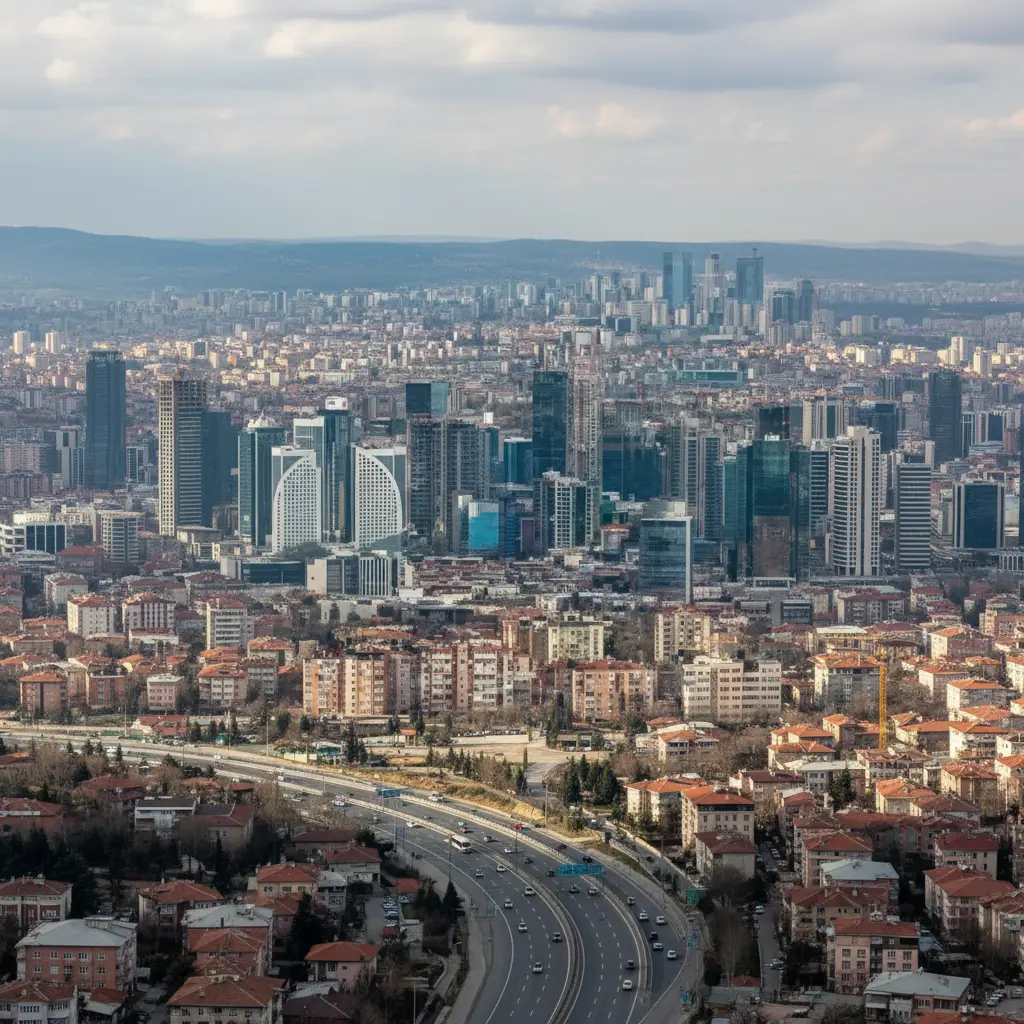
Can unequivocally states that Ankara’s districts, particularly Mamak, Altındağ, Çankaya, and Keçiören, are home to a significant number of buildings that are 50-60 years old. These structures, largely built under outdated regulations, fail to meet contemporary engineering standards, posing a substantial risk to residents. The specter of earthquakes, while perhaps not as immediate as in other regions, still underscores the urgency of proactive measures rather than reactive responses.
Economic Hurdles and Stalled Progress
The current economic climate, marked by escalating construction costs, has created a formidable barrier to urban renewal. Both citizens and contractors find themselves struggling to finance transformation projects independently. Can points out that limitations in floor area ratios and insufficient land shares have brought many projects to a standstill, particularly in areas where redevelopment is most needed. This financial strain necessitates a paradigm shift, moving beyond individual efforts to a more collective, state-supported framework.
The “Half from Us” Model: A Beacon of Hope?
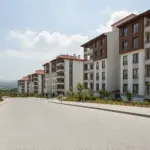
The “Yarısı Bizden” model, successfully implemented in Istanbul, offers a compelling blueprint for Ankara. This initiative, which involves significant state contributions, has proven effective in streamlining decision-making processes for citizens and re-engaging contractors in transformation projects. Can argues that a similar approach in Ankara would not only expedite the renewal process but also alleviate the financial burden on residents and developers, fostering a more collaborative environment for urban development.
Beyond Buildings: Reshaping the Urban Fabric
Urban transformation, as Can rightly emphasizes, extends far beyond the mere demolition and reconstruction of buildings. It is an intricate process of urban planning that seeks to address chronic issues such as narrow streets, inadequate parking facilities, and a scarcity of green spaces. These challenges, deeply embedded in Ankara’s older districts, can only be effectively resolved through a comprehensive and integrated transformation strategy. The goal is to create not just newer buildings, but more livable, functional, and aesthetically pleasing urban environments.
Conclusion: A Call to Action for Ankara
In conclusion, Hamza Can’s impassioned plea for a state-backed urban transformation model in Ankara serves as a critical call to action. The city’s aging infrastructure, coupled with economic constraints, demands a strategic and collaborative response. By embracing a model that leverages state support, Ankara can not only mitigate the risks associated with its old building stock but also pave the way for a more sustainable, resilient, and vibrant urban future. The time for hesitation is over; the need for decisive action is now.