

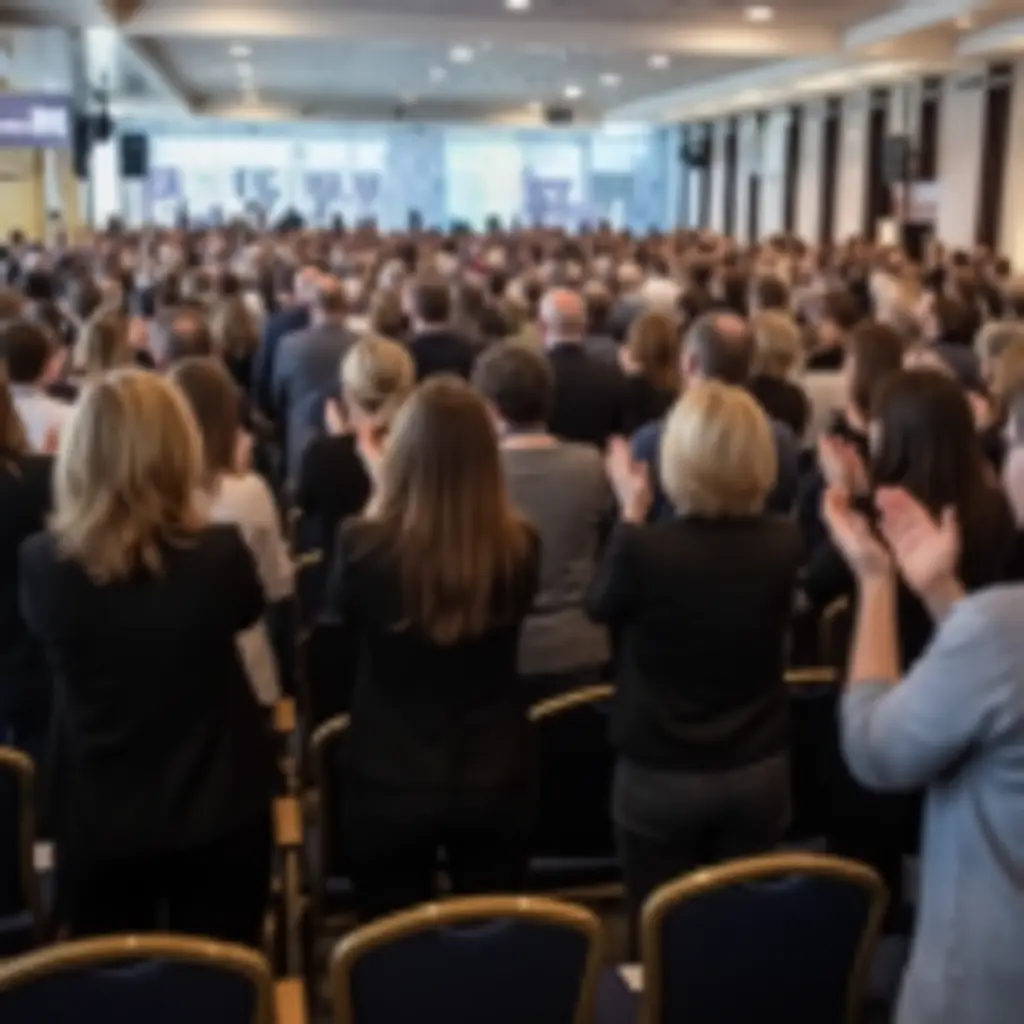
The conference, organized by the Women’s Human Rights Association (KİH) under its Women’s Human Rights Education Program (KİHEP), commenced today in Istanbul. It brought together feminist organizations, human rights defenders from various countries, and representatives of the women’s movement in Turkey. The opening speeches highlighted how women’s acquired rights are being targeted globally and underscored the critical importance of feminist solidarity in the face of these attacks.
Rights Gained Through Struggle, Protected Through Stronger Organization
Speakers at the conference shared their experiences, converging on a common understanding: rights were won through struggle and can only be protected through even stronger organization.
“No Acquired Right Can Be Considered Safe”
The opening address was delivered by a representative of the Fundación para Estudio e Investigación de la Mujer, who emphasized the necessity of a united feminist struggle at both national and international levels. She noted that this is a period where attempts are being made to roll back gains, stating:
“We are working to expand this discussion. This region is very important to us. We need to work together at both national and international levels. We have not yet reached our target, but we know what we need to do. We have not lost; we must continue to fight. They want to take back what we have gained, but I hope they will not succeed. We need to influence decisions made against us. Today, there are people from many different places here. Feminists are now present in United Nations meetings. We have fought and continue to fight on issues like abortion rights. In Argentina, my country, we fought for abortion rights since 1992 and passed this law in 2022. But today, the government may change this law. This is very sad, but we know that the struggle will always continue. Young women, in particular, need to see this: we have gained these rights, but we must also fight to protect them. No gain is safe. We need more organization, more solidarity. We have differences, but with these differences, accepting each other, we must continue the struggle. We do not accept the slightest regression in women’s human rights. This is our common ground.”
“30 Years of Solidarity and Culture of Resistance”
Dolunay Uğur from UN Women Regional Office drew attention to KİHEP’s 30 years of experience, emphasizing the importance of disseminating feminist knowledge:
“We pay our respects to KİHEP’s 30-year tradition, to the culture of solidarity and resistance you have created. We are with you, let’s raise our voices together. We are very happy to be here to empower and encourage regional movements through feminist knowledge.”
“I Feel Like I’m Home”
Sussan Tahmasebi from FEMENA began her speech by addressing her personal connection with the Women’s Human Rights Association:
“When I lived in Iran, this association supported me greatly. Being here years later feels like coming home. We founded FEMENA at a very special time; it was right after the Arab Spring. We set out to support feminist groups. Documentation and advocacy are very valuable to us. We must document counter-attacks, make visible how women human rights defenders are arrested, and what human rights violations they are subjected to. We support women activists forced to leave their countries, and we share information. Self-care is as important as resistance. Taking care of ourselves is not a luxury, but a necessity to sustain the struggle. We try to empower each other through acts of solidarity.”
“They Tried to Bury Us, But They Didn’t Know We Were Seeds”
Anuradha Chatterji from CREA described the organization’s 25-year struggle with these words:
“We have been meeting in Istanbul for the last 15 years, which is very valuable to us. The saying ‘They tried to bury us, but they didn’t know we were seeds’ perfectly describes our struggle. CREA was founded with the idea of an organization emerging from the global South. We work in the areas of gender, sexuality rights, feminist leadership, and gender-based violence. We try to conduct our struggle with a feminist perspective. We have been with this movement for 25 years and know how important it is to walk with reliable allies.”
“Accountability is About Transformation, Not Punishment”
Sharon Eryenyu from Africa highlighted the importance of accountability in organizing practices:
“As we developed, we also upheld some fundamental values. We connected with feminists in the region. Accountability is very important to us. It’s about asking, ‘What are we experiencing and how can we transform it?’ This is not a punitive mechanism; someone in every movement needs to ask these questions.”
Turkish Women’s Organizations Shared Their Experiences
During the Turkey session of the conference, Hülya Gülbahar from EŞİK emphasized the importance of morale in the struggle:
“We said that those who do not apply the constitution cannot make a constitution. We must be constantly vigilant, but we must not lose our morale. Feminists are working very well, we are in strong interaction with society. We protected the right to alimony, and we prevented legislative attempts against LGBTI+ individuals. We are trying to transform not only the government but also the opposition. We will not give up on our rights and our dreams.”
Bahar Yalçın from the Women’s Coalition explained the importance of horizontal organization:
“This struggle is built on a horizontal structure that highlights work, not individuals. Local organizations are therefore very important. We advocate for horizontal organizations against centralized and hierarchical structures. We must resist the language and structure imposed by the government while preserving our own methods.”
A woman from the ‘Yalnız Yürümeyeceksin’ (You Will Not Walk Alone) team shared her personal experience, receiving great applause from the audience:
“As a child, I was not allowed to go to primary school; I grew up in a cult. Years later, my path crossed with this place. I used to think you were terrorists, now I’m glad I’m here.”
Evrim Güren from Feminist Night March explained how the struggle has grown despite years of pressure:
“I joined the march in the 2010s. In 2019, we faced police violence, we were targeted, but every year, despite the obstacles, we became more crowded. This march is proof that we have not given up.”
The conference will continue in the coming days with workshops and experience sharing sessions.
The Male Violence Database was created within the scope of the ‘Strengthening Participatory Democracy in Turkey: Monitoring Gender Equality Project Phase III LOT I’, co-financed by the European Union and implemented by the Gender Equality Monitoring Association (CEİD).
The database can be accessed at https://erkeksiddeti.org/.
Source: https://bianet.org/haber/feministler-istanbulda-bulustu-haklar-mucadeleyle-kazanildi-mucadeleyle-korunur-314489