
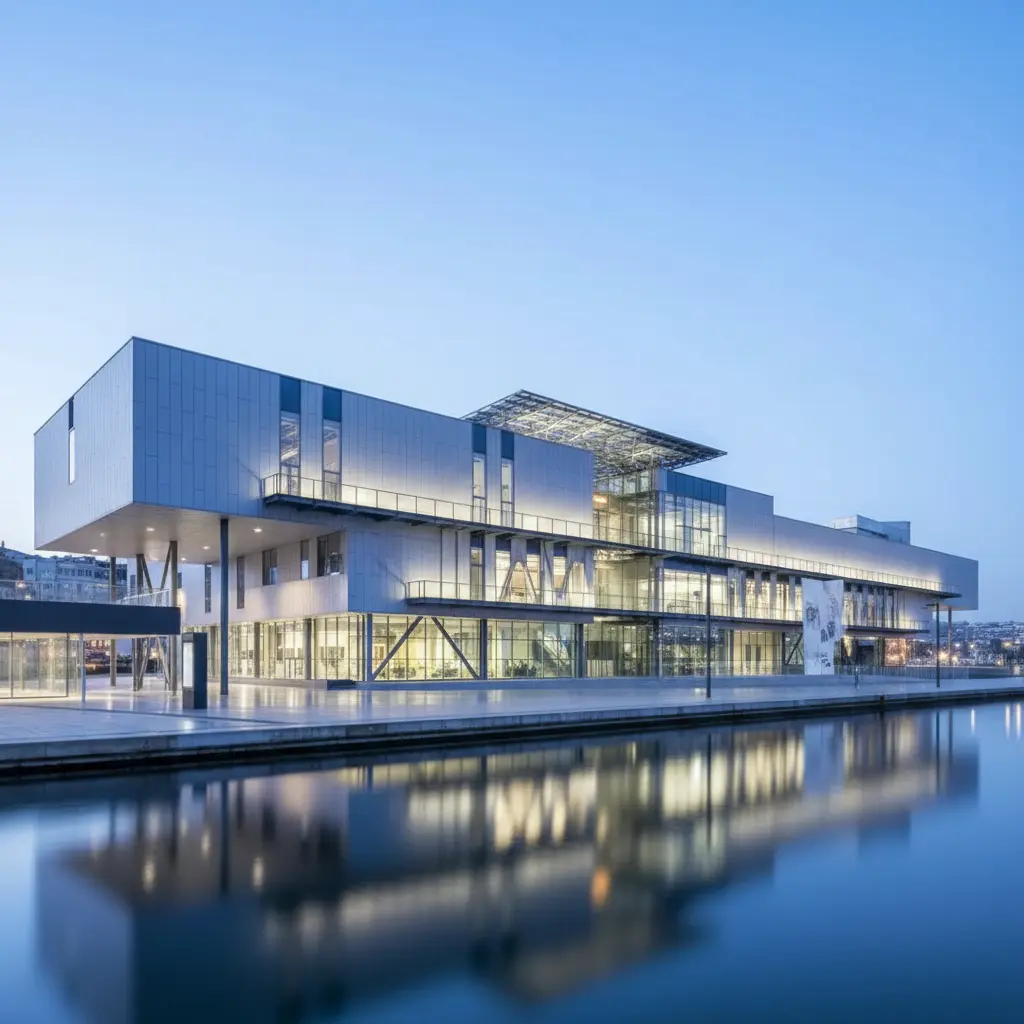
Istanbul Modern, a prominent art institution, has announced its withdrawal from the Guggenheim Art Pass program. This decision follows significant public criticism and protests over the program’s inclusion of two museums from Israel: the “Tel Aviv Museum of Art” and “The Israel Museum.” The museum’s management stated that it shares the “deep sorrow” and “sensitivity” of the community regarding the humanitarian situation in Gaza.
Public Outcry Leads to Membership Cancellation
The controversy surrounding Istanbul Modern’s participation in the Guggenheim Art Pass program escalated when it was revealed that the program featured institutions from Israel. This led to widespread public condemnation and organized protest actions against the museum. In response to these “justified reactions,” Istanbul Modern was compelled to reconsider its membership.
In an official statement, Istanbul Modern addressed the public’s concerns, emphasizing that the Guggenheim Art Pass is an international network of leading museums worldwide and not a structure created or managed by Istanbul Modern itself. The statement read: “We are carefully monitoring the criticisms regarding the inclusion of two museums from Israel in the Guggenheim Art Pass program. This program is an international membership network featuring leading museums globally. It is not a structure created or whose members are determined by Istanbul Modern. With respect to the public’s sensitivity, we announce to the public our decision to terminate our Guggenheim Art Pass membership.”
Emphasis on Gaza Sensitivity
The museum’s statement further underscored its solidarity with those affected by the ongoing conflict. “We express our regret for the misunderstandings that arose during this process. The humanitarian tragedy in Gaza causes deep pain and sensitivity in all of us. We share this pain and explicitly state that we are against all violations of the right to life and human dignity,” the statement affirmed.
The Guggenheim Art Pass is known for offering its members various privileges, such as free or discounted entry to museums in different countries. Institutions participating in the program are part of this international network without being directly affiliated with the Guggenheim Foundation.
Director Necmi Sancak’s Protest and Reversal
The decision by Istanbul Modern came after a period of intense public pressure, highlighted by the actions of director Necmi Sancak. Sancak, who had previously won the Best Film Award at the Istanbul Film Festival, publicly announced that he had discarded his award in protest. He released a video criticizing the support of Istanbul Modern by Eczacıbaşı, the founder of IKSV, and the museum’s “cultural cooperation” with the “genocidal Israeli regime” while “tens of thousands of children were being massacred in Palestine.”
Following Istanbul Modern’s announcement of its withdrawal, Sancak released another statement. He revealed that the festival president had contacted him, conveying the festival’s clear stance on Palestine and its regrets. Sancak also mentioned that the festival had not accepted Israeli-produced films. He concluded: “Subsequently, Istanbul Modern, the main target of our protest, officially announced its withdrawal from the program that included Israeli museums. This is proof that art and conscience will not remain in the shadow of capital.” Sancak then stated that his award had been returned to its rightful place.
Wider Implications and Future Actions
This incident reflects a broader sentiment among cultural institutions and the public regarding the ongoing conflict and the ethical considerations of international partnerships. The withdrawal of Istanbul Modern from the Guggenheim Art Pass program serves as a significant example of how public pressure can influence institutional decisions in the cultural sector.
The museum has not yet announced any further actions or alternative programs following its withdrawal. However, the emphasis on “human dignity” and the “right to life” in its statement suggests a commitment to aligning its operations with its stated ethical principles.