

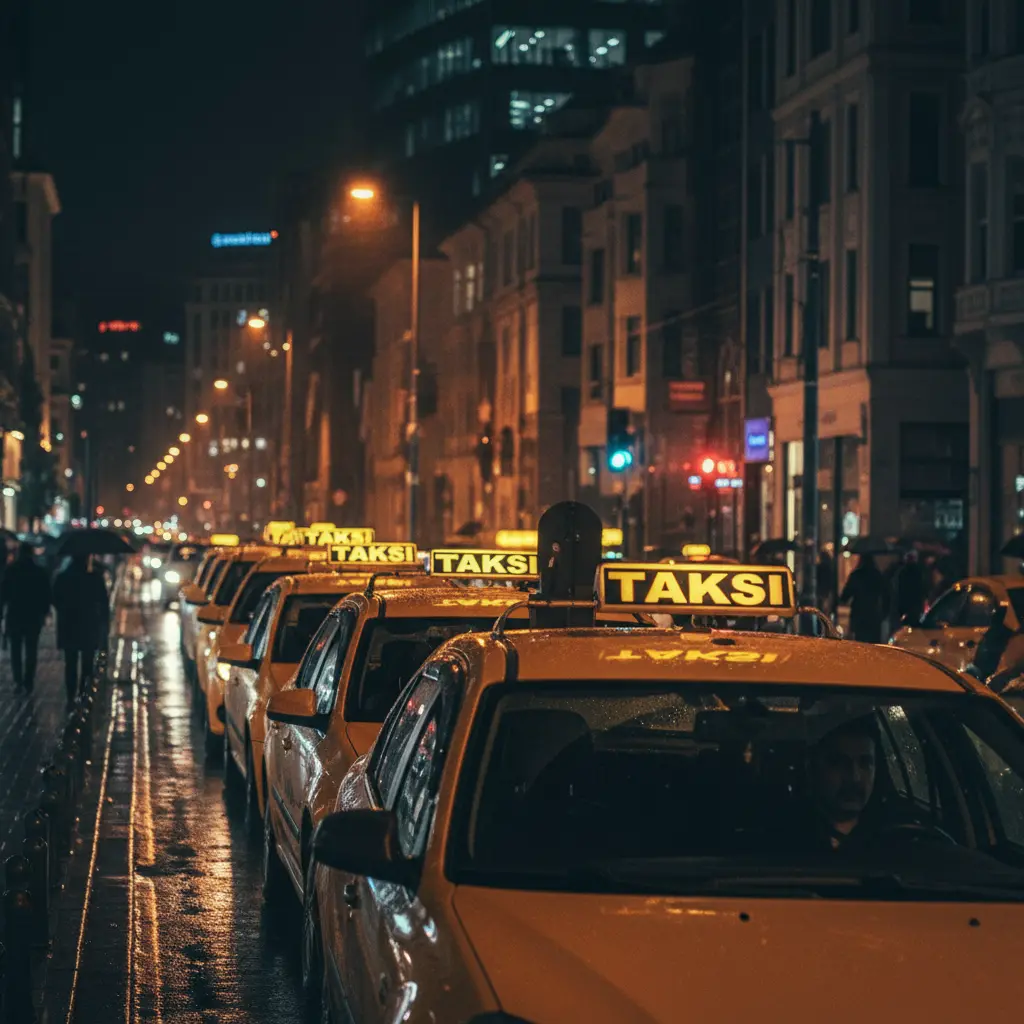
For years, Istanbul has grappled with an intractable taxi problem, a recurring topic of discussion that has yet to yield a lasting solution. The inability to develop a model aligned with the demands of the digital age has left both taxi users and drivers dissatisfied. However, if Istanbul’s taxi conundrum can be resolved reasonably, this development could serve as a blueprint for other major cities across Turkey.
A Pivotal Moment for Istanbul’s Taxi Industry
The upcoming month promises intensified discussions on the taxi issue. The Istanbul Taxi Drivers’ Chamber of Tradesmen (İTEO) is set to hold its Ordinary General Assembly Meeting on Sunday, February 8, 2026, at the Haliç Congress Center. This election transcends a mere presidential race; it represents a critical turning point that will shape the future of Istanbul’s taxi system, determining whether it will embrace an application-based model or cling to its traditional roots.
Beyond the personal attributes of the presidential candidates, the fundamental problem lies in the absence of a healthy, functioning system. Despite frequent references to successful digital solutions abroad and repeated emphasis on how these applications satisfy both passengers and drivers, Istanbul struggles to break free from its old habits. The Istanbul Metropolitan Municipality (İBB) finds it challenging to bear this burden alone, while the central government has yet to demonstrate a resolute focus on resolving the issue fundamentally.
The Digital Divide: Old Habits vs. New Solutions
Discussions often divert to high commissions charged by existing, inadequate applications, attempting to shift the focus. Operating costs-fuel, insurance, maintenance-and the competition introduced by the new “Application-Based Taxi” system are frequently brought to the forefront. While these concerns hold some validity, a holistic, sustainable, and forward-looking management model is conspicuously absent. Yet, now is precisely the time for a balanced approach that will both resolve the fundamental issues and overcome the traditional resistance of taxi drivers without disadvantaging them.
The mere implementation of İBB’s long-anticipated “Application-Based Taxi System,” which is set to become operational this year, will not be a standalone solution. Tender processes have commenced for 2,500 new taxis, bringing new tradesmen and taxi owners into the fold. However, this situation is likely to further fuel the old system’s fire. While other cities globally are installing sensors in taxi seats to reduce empty travel rates and enhance efficiency, Istanbul appears content merely to apply a digital veneer to its outdated practices.
Certainly, positive developments include drivers obtaining “Transportation Academy” certificates and journeys being recorded end-to-end. However, these are merely baseline practices in many countries. The extent to which chronic issues like “passenger selection” or “refusal of short distances” can be curbed remains debatable. Consider the “airport taxi” system: a taxi going from the city to the airport is often forced to return empty. Taxis traveling from the city to the airport are prevented from picking up passengers from the airport by local taxi associations, which are often supported by airport managements due to annual payments. Do these questions not, in themselves, indicate a profound need for systemic transformation?
Furthermore, due to rising operating costs, taxi drivers are demanding a minimum 30% fare increase at the beginning of 2026. If UKOME approves this demand, interest in illegal transportation will likely surge, as the current regulations consistently fail to align supply and demand.
The Path Forward: A Call for Comprehensive Reform
In essence, without a fundamental solution to the taxi issue, Istanbul is destined to debate this problem for years to come. Yet, a tender for three application-based companies could bring an end to all these discussions. Therefore, the right steps will not only enhance Istanbul’s transportation comfort but also guide the future of urban mobility across Turkey.
Source: https://www.haber.aero/yazarlar/guntay-simsek/istanbul-taksiciligi-donum-noktasinda/