

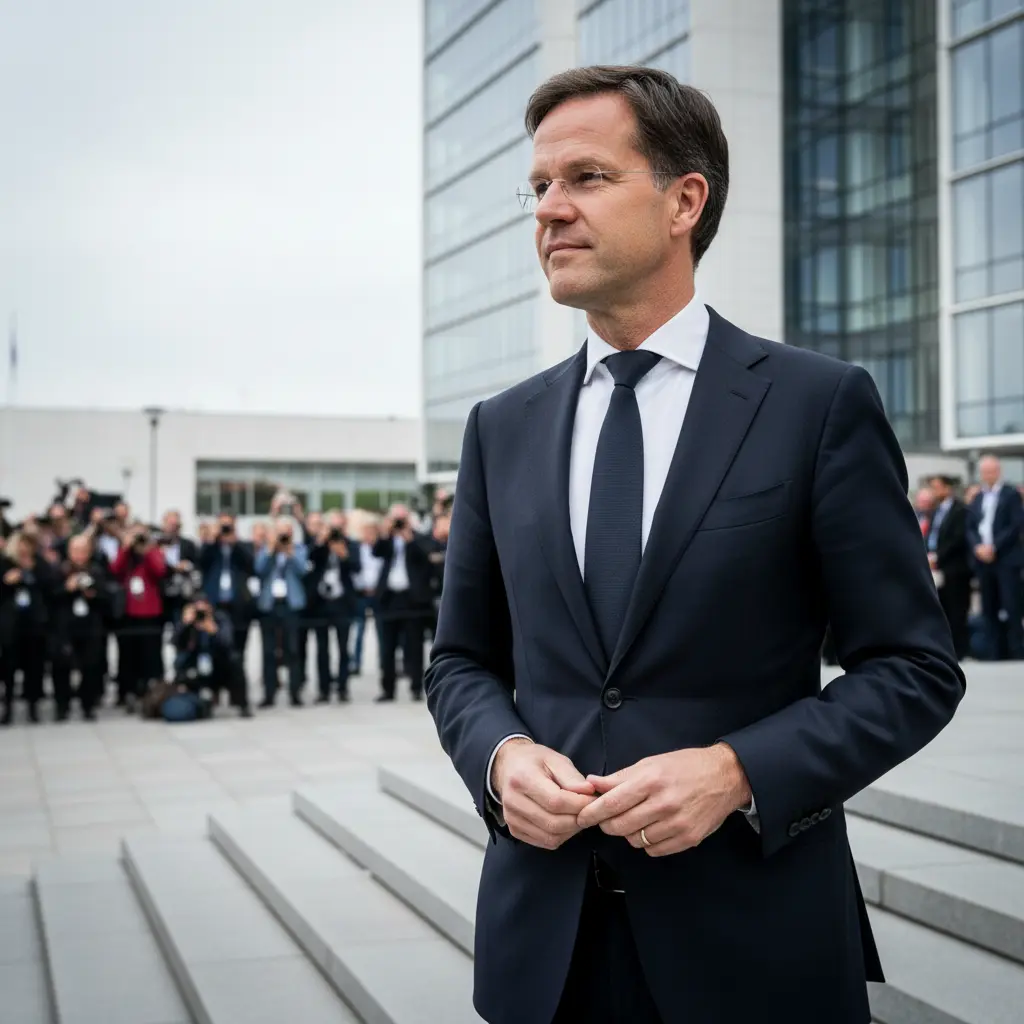
NATO Secretary General Mark Rutte, speaking at a joint press conference with Czech Prime Minister Andrej Babis in Prague, Czech Republic, discussed the upcoming NATO Summit. Rutte underscored the importance of the summit, which will be held in Ankara in July, highlighting that defense expenditures and continued support for Ukraine will be central to the discussions. He expressed his eagerness for the event, emphasizing its significance for the alliance.
Czech Republic: A Steadfast Ally
Rutte commended the Czech Republic as a resolute ally, emphasizing its substantial contributions to shared security. He noted that the Czech Republic takes its NATO membership seriously and remains committed to collective defense. This acknowledgment came during his visit to Prague, where he engaged in discussions with Prime Minister Babis on various geopolitical issues.
Historic Decisions from Last Year’s Summit
Referring to last year’s NATO Summit, Rutte reminded attendees of the historic decisions made by allied nations. These decisions included increasing investment in defense, boosting defense production, and maintaining unwavering support for Ukraine. The upcoming Ankara Summit will focus on the implementation of these resolutions, ensuring that the alliance effectively translates commitments into action.
Ankara Summit: Focus on Defense Spending and Ukraine
The July summit in Ankara is set to concentrate on how NATO will implement its commitments, particularly in the realm of defense spending. Rutte stressed that increasing defense expenditures is crucial for maintaining the necessary forces, resources, and capabilities to safeguard the public. This imperative applies to all NATO allies, reflecting a collective responsibility to bolster security. The issue of Ukraine will also be a fundamental topic, reinforcing NATO’s ongoing commitment to the nation.
The Need for Defense Industry Production Capacity
Beyond financial investment, Rutte highlighted the critical need for defense industry production capacity. He asserted that merely possessing funds is insufficient; the ability to produce defense materials is equally vital. This focus on industrial output underscores a strategic shift towards self-sufficiency and robust supply chains within the alliance, ensuring that military capabilities are not only funded but also adequately equipped.
Hormuz Strait Security Discussions
Czech Prime Minister Andrej Babis revealed that a video conference with leaders of NATO allied countries regarding the security of the Hormuz Strait would take place tomorrow. Babis indicated that the Czech government has formulated proposals and concrete suggestions on how to ensure security in the strait. He refrained from discussing the details but suggested that the Czech Republic’s industrial and technological capabilities could contribute to solutions, potentially pleasing allies and even former US President Donald Trump.
Europe’s Self-Sufficiency in Focus
Babis remarked on the unpredictable events occurring in the Hormuz Strait, emphasizing that Europe must strive for self-sufficiency. This statement reflects a broader sentiment within European leadership to reduce reliance on external actors for critical security and economic interests, particularly in volatile regions. The discussions surrounding the Hormuz Strait highlight the complex and interconnected nature of global security challenges faced by NATO members.
Source: https://www.trthaber.com/haber/dunya/nato-genel-sekreteri-rutte-ankara-zirvesini-sabirsizlikla-bekliyorum-941945.html