


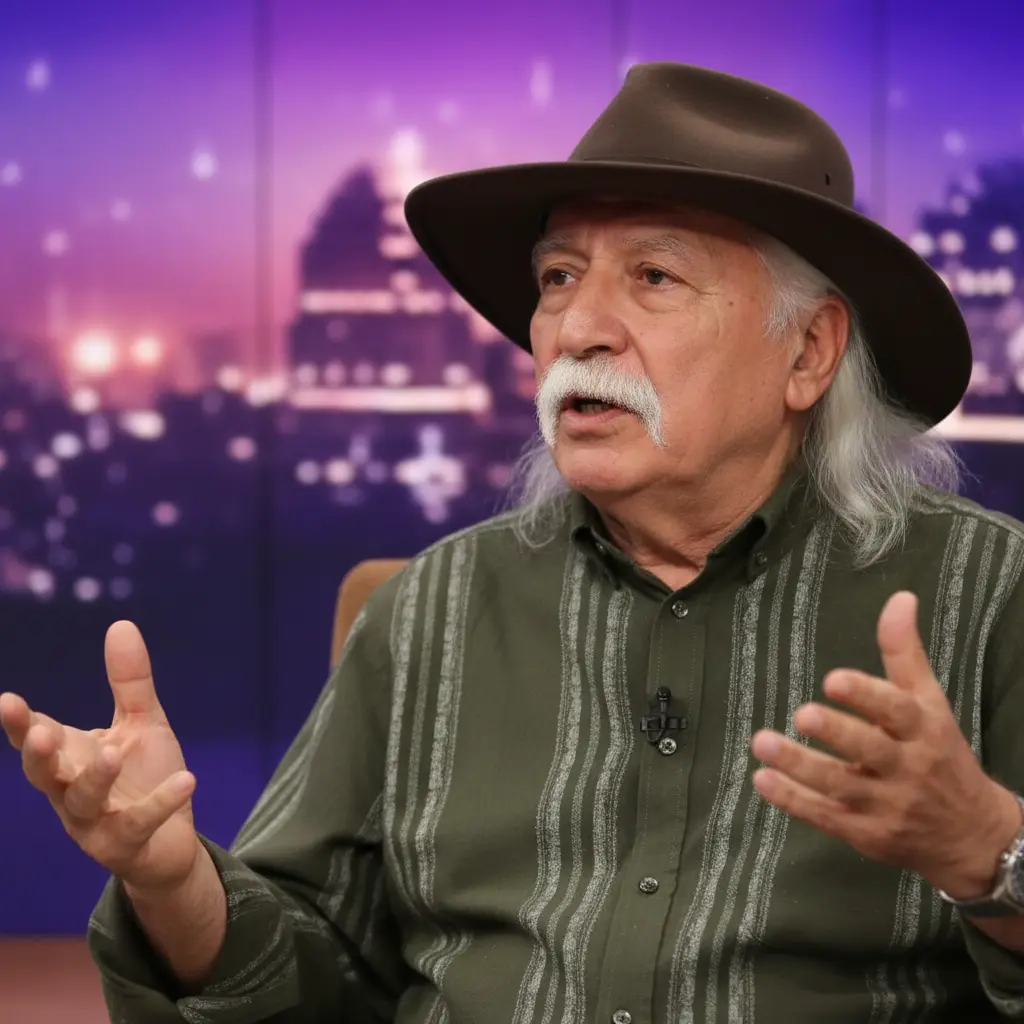
Professor Üşümezsoy Challenges Prevailing Istanbul Earthquake Scenarios
Istanbul, February 12 – Professor Dr. Şener Üşümezsoy has offered a contrasting perspective on the anticipated Istanbul earthquake, diverging from widely held public scenarios. Üşümezsoy asserts that certain fault segments within the Marmara Sea do not possess enough accumulated energy to generate a major earthquake, specifically highlighting the Adalar segment.
During his assessment of the potential Istanbul earthquake, Professor Dr. Şener Üşümezsoy presented a different picture than what is frequently discussed in public discourse. Üşümezsoy claimed that some fault segments in the Marmara Sea do not have the necessary energy accumulation for a large earthquake.
He particularly drew attention to the Adalar segment, suggesting that risk assessments for this area should be re-evaluated. Üşümezsoy argued that the Adalar fault line does not carry enough stress to produce a major earthquake and therefore lacks sufficient energy accumulation for a magnitude 7 or higher seismic event.
Focus on Silivri-Kumburgaz Line
For a potential tremor that could impact Istanbul, Üşümezsoy focused on a single point: the approximately 25-kilometer line between Silivri and Kumburgaz. Speaking on Sözcü’s live broadcast, he stated that this line has posed a risk since 2009 and that any earthquake occurring here could be between magnitude 6.0 and 6.5.
“Major Istanbul Earthquake Scenario Not on the Table” Claim
Üşümezsoy further asserted that the frequently discussed “major Istanbul earthquake” scenario for the North Marmara region is no longer valid. He claimed that since the 1999 earthquake, international funds have been secured under the pretext of an impending “major earthquake,” but these resources have not been properly utilized for earthquake preparedness.
He emphasized that the construction of earthquake-resistant structures falls within the realm of engineering, while the accurate analysis of fault lines is the duty of science. He added that policies cannot be formulated based on incorrect fault models.
Previous Statements by Professor Şener Üşümezsoy
- April 23, Wednesday: Professor Şener Üşümezsoy: Earthquakes in Marmara are over.
- April 30, Wednesday: Şener Üşümezsoy spoke on TVNET live broadcast: This is what science says.
- April 30, Wednesday: Şener Üşümezsoy alarmed this time: Came to the agenda with a new earthquake prediction.
- April 24, Thursday: Şener Üşümezsoy fiercely criticized artificial earthquake rumors: It is blasphemy against Allah.
- October 28, Tuesday: Şener Üşümezsoy and Serkan Fıçıcı’s ‘communication’ debate: Oh, come on!
These statements underscore Üşümezsoy’s consistent position that deviates from mainstream seismological views regarding the seismic risk in the Marmara region.
Impact on Urban Planning and Public Perception
Üşümezsoy’s remarks could significantly influence urban planning strategies and public perception of earthquake risk in Istanbul. If his claims are accepted, it might lead to a re-evaluation of current building codes, emergency response protocols, and public awareness campaigns. However, such a shift would likely face scrutiny from other seismologists and geological experts who maintain different perspectives on the seismic potential of the region.
The debate surrounding the Istanbul earthquake highlights the complexity of seismic forecasting and the diverse interpretations of geological data. As the city continues to grapple with the threat of earthquakes, a comprehensive and collaborative approach involving various scientific disciplines and public engagement remains crucial for ensuring the safety and resilience of its inhabitants.
Source: https://www.yenisafak.com/gundem/usumezsoydan-istanbul-depremine-iliskin-dikkat-ceken-degerlendirme-4796698