

New Regulation for Medicinal Herbal Teas Published in Official Gazette
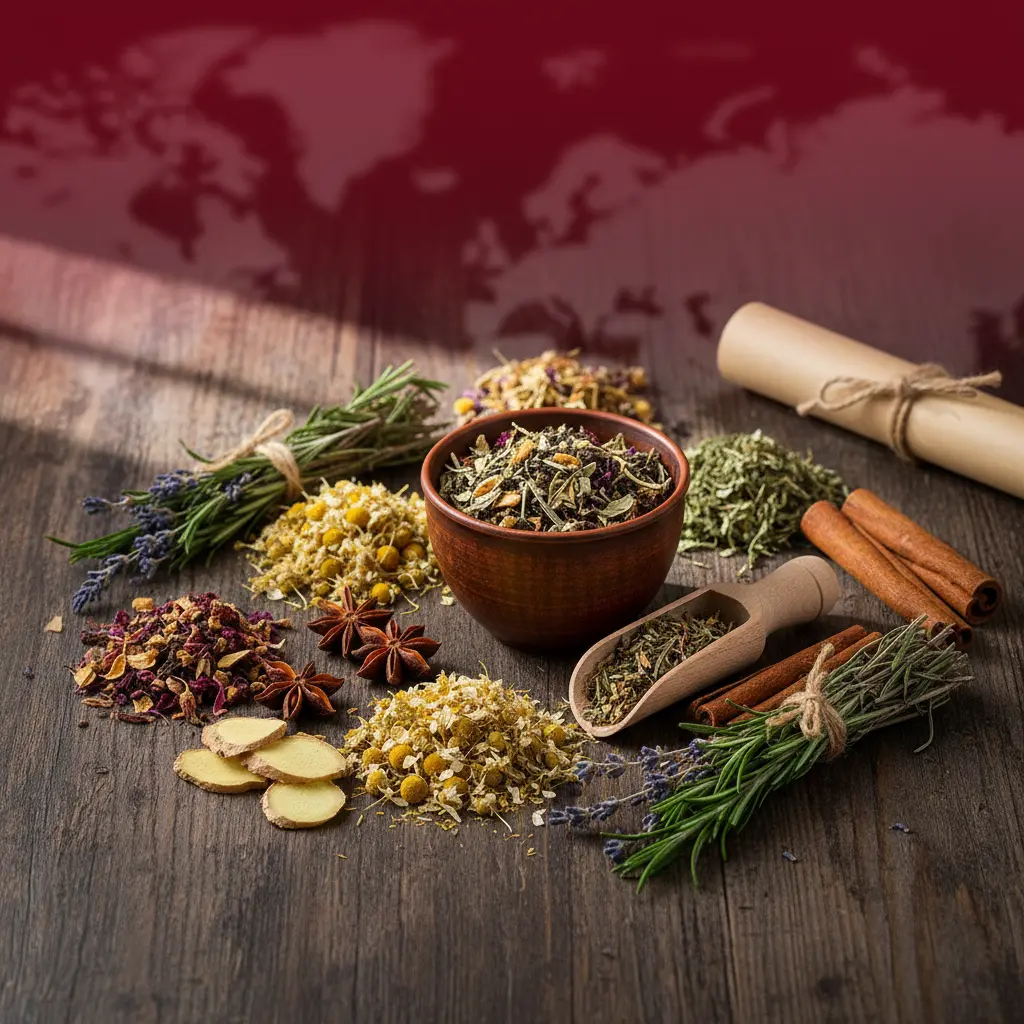
Ankara, July 2, 2026 – The Regulation on Medicinal Herbal Teas has been officially published in the Official Gazette and has immediately entered into force. This significant new regulation outlines the procedures and principles for the production, licensing, and sale of medical herbal teas.
Ensuring Safe Access and Quality Control
Under the new regulation, medicinal herbal teas will be exclusively available to citizens through pharmacies, significantly enhancing safe access to these products. The Turkish Medicines and Medical Devices Agency (TİTCK), under the Ministry of Health, will be responsible for scientifically and technologically reviewing and licensing these teas. The Ministry will also oversee the inspection and market surveillance of all licensed medicinal herbal teas.
Applications for licensing will be processed within 90 days if complete. Each medicinal herbal tea will be registered in the Product Tracking System (ÜTS) using a QR code system. This will enable real-time tracking of every single box, from the production or import line to pharmacy shelves.
Pharmacies will also be permitted to prepare medicinal herbal tea products from licensed teas. The content and intended use of medicinal herbal teas to be prepared magistrally (custom-made) in pharmacy laboratories will be determined by the medicinal herbal tea monographs and guidelines published by TİTCK, clarifying their efficacy and safety in treatment. Products in pharmacies must be prepared from medicinal herbal teas licensed by the Ministry of Health and from raw materials/drugs of pharmacopoeial quality.
Stricter Requirements for Production and Licensing
The new regulation introduces stricter requirements for individuals and companies involved in the production and marketing of these health-related products. Individuals seeking licenses must hold a bachelor’s degree, while companies are required to employ authorized expert personnel. Furthermore, reports concerning the product’s quality, safety, efficacy, and compliance with pharmacopoeia must be prepared by individuals who are graduates of medical, pharmaceutical, chemical, or biological fields, authorized to practice in Turkey, and possess expertise in the relevant field or a phytotherapy certificate.
Distinction Between Food and Medicinal Herbal Teas
The regulation clearly distinguishes between ‘herbal and fruit teas’ and ‘food supplements’ used for food, pleasant taste, or as nutritional supplements, and ‘medicinal herbal teas.’ The sale of food-purpose teas will continue in markets, herbalists, and similar outlets under the jurisdiction of the Ministry of Agriculture and Forestry. However, only ‘medicinal herbal teas,’ which are approved by the Ministry of Health, standardized in dosage, preparation methods, specific usage warnings, and production standards, will be available exclusively in pharmacies.
Standardization in Packaging and Support for Endemic Plants
The regulation also mandates the highest safety standards for product packaging and instructions for use. The scientific names of the plants contained in medicinal herbal teas, both in Turkish and Latin, along with their quantitative ratios, will be displayed on the outer packaging.
The use of raw materials derived from plants native to Turkey or endemic to the region will be supported and protected. These can be used in the production of medicinal herbal teas, provided they are supported by scientific data regarding quality, safety, and efficacy. To protect natural populations and maintain ecological balance, application files must include taxonomic records of the plants, sustainable supply plans, cultivation documents, and declarations of compliance with the CITES convention for endangered species.
All production processes, including those in foreign-based facilities, must comply with international Good Manufacturing Practices (GMP) guidelines. The regulation aims to make the licensing and market entry processes more transparent and predictable, while also facilitating the access of domestically produced goods, proven in quality assurance laboratory analyses and stability tests, to international markets and enhancing their competitiveness globally.