

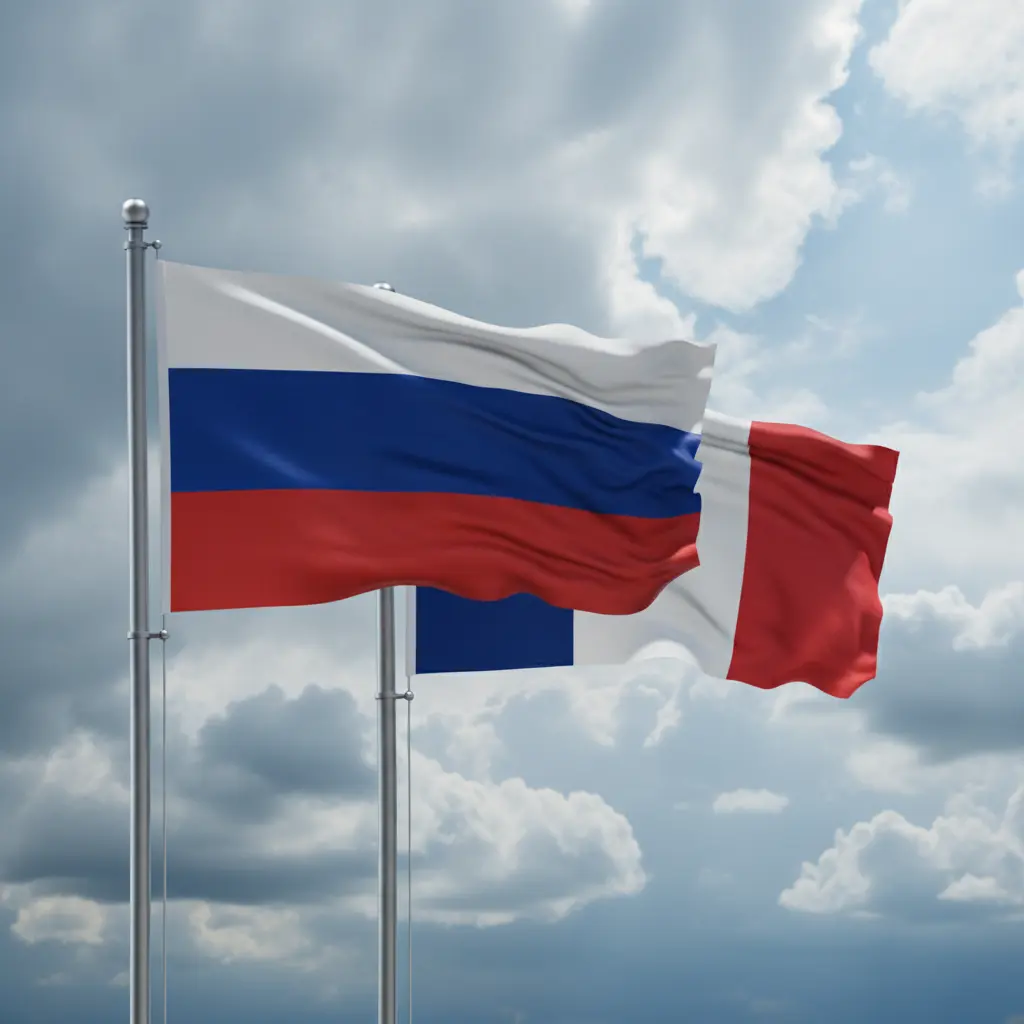
Ankara, February 26 – The Russian and French Embassies in Ankara have publicly clashed on social media, exchanging sharp remarks regarding the ongoing conflict in Ukraine and historical events. The diplomatic spat unfolded on the social media platform X (formerly Twitter) on Wednesday.
Russian Embassy Cites Kremlin Spokesperson on Ukraine
The incident began with the Russian Embassy in Ankara sharing a statement from Kremlin Spokesperson Dmitriy Peskov. The statement reiterated Russia’s openness to a political and diplomatic resolution to achieve its objectives, asserting that the end of the war in Ukraine depends on the actions of the Kyiv regime. Additionally, Peskov’s remarks included a claim that the intention of Paris and London to provide nuclear weapons to Kyiv “clearly violates all relevant principles and norms of international law.”
France Responds with Sarcasm and Criticism
In response to Russia’s post, the French Embassy in Ankara issued a critical and sarcastic reply on its X account. The French statement read: “The war that was supposedly going to last 3 days has entered its 5th year, and lo and behold; Russia is still declaring ‘the London-Paris deterrent is a threat’.” This comment directly challenged Russia’s narrative and highlighted the prolonged nature of the conflict.
Russia Retaliates with Historical Reference
The Russian Embassy quickly retorted to the French response with another pointed social media post. Their counter-statement expressed regret over what they termed as the “pathetic and miserable posts” remaining of France’s “famous diplomacy.” The Russian Embassy then accused Paris of being one of the most significant supporters of the “Nazi regime in Kyiv,” which they claimed has been “massacring its own country’s civilian population, including children and women, since 2014.” The post concluded with a provocative historical reference: “But perhaps it is the ghosts of 1812 that still bother the French government?” – a clear allusion to Napoleon’s disastrous invasion of Russia.
Context of the Diplomatic Exchange
This social media confrontation between the two embassies in Ankara underscores the heightened diplomatic tensions surrounding the Ukraine conflict. Both nations are prominent actors on the international stage, with differing stances on the ongoing war. The use of social media for such direct and often aggressive exchanges marks a contemporary trend in diplomatic communication, allowing for immediate and public dissemination of views, albeit sometimes at the cost of traditional diplomatic decorum. The reference to historical events, particularly the 1812 campaign, adds another layer of complexity, invoking past grievances and rivalries into the current geopolitical discourse.
International Reactions and Implications
While no immediate official reactions from the respective foreign ministries were reported, such public spats between diplomatic missions can strain bilateral relations and reflect broader international disagreements. The incident highlights the challenges of maintaining diplomatic civility in an era of rapid information flow and pervasive social media use, especially concerning highly sensitive geopolitical issues like the war in Ukraine. The exchange in Ankara serves as a microcosm of the larger ideological and political divides that characterize current international relations.
As of the time of this report, there have been no further statements from either embassy regarding this particular social media interaction. The incident remains a notable example of how digital platforms are increasingly becoming arenas for diplomatic sparring.