

Second Addiction and Recovery Symposium Addresses Digital Gambling and Social Media Risks in Istanbul
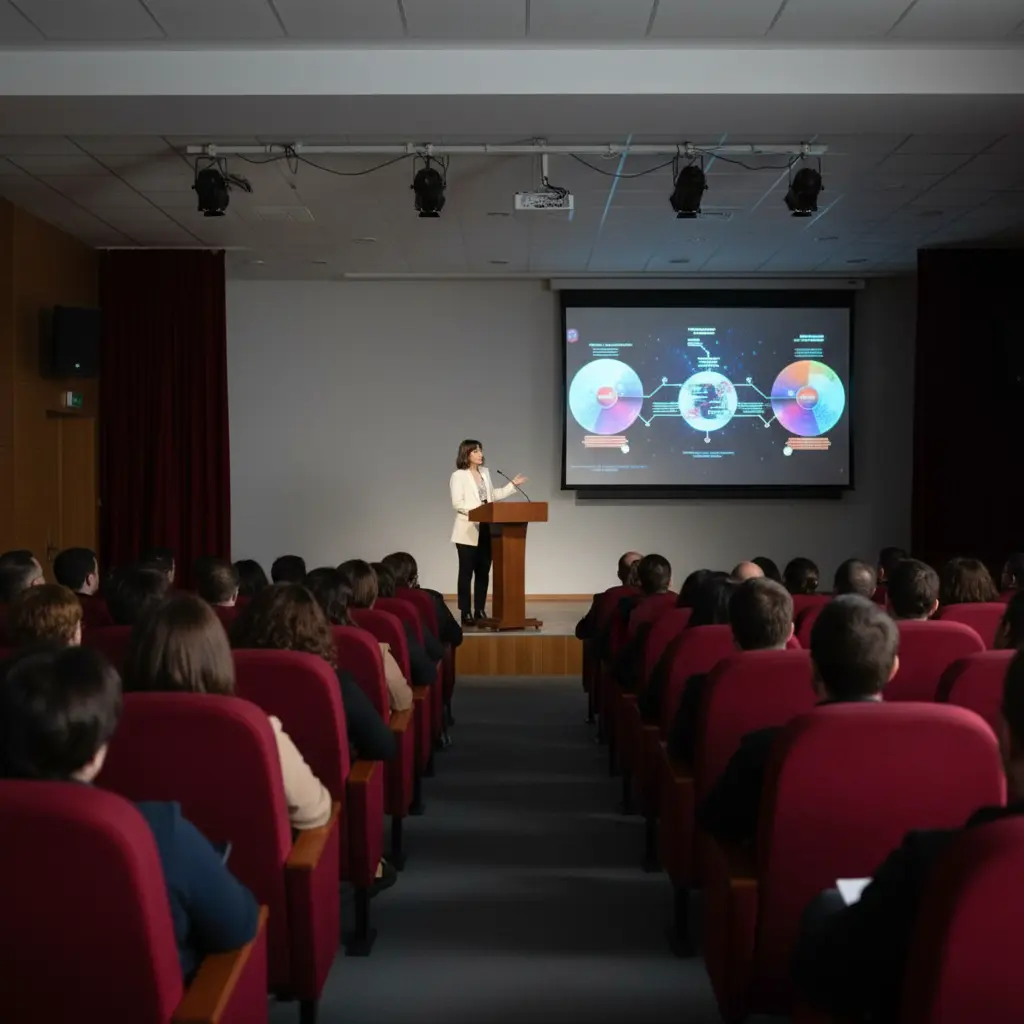
Istanbul, June 9, 2026 – The 2nd Addiction and Recovery Symposium recently concluded at Istanbul Kent University’s Taksim Campus. The event, a collaboration between Moodist Psychiatry and Neurology Hospital, the Addiction Academy, and Istanbul Kent University, brought together experts to discuss the escalating challenges of addiction in the digital age, with a particular focus on online gambling and social media dependency.
Digital Gambling: A Growing Threat to Youth
Professor Dr. Kültegin Ögel highlighted that virtual gambling is no longer confined to physical locations, emphasizing that digital platforms, accessible 24/7 via mobile phones, significantly amplify the risk. “Virtual gambling has become one of the most critical addiction areas confronting the new generation,” stated Professor Dr. Ögel. “Young people, driven by the desire for quick money, become the target audience for these systems. However, consistent earnings through this method are impossible. Despite this, once young individuals start, they face serious difficulties in stopping.”
Professor Dr. Ögel further elaborated on the addiction cycle, explaining, “A person who wins once continues to play even when they start losing, believing they can recover their losses. The real trap begins here.”
Beyond Gambling: The Evolving Landscape of Digital Addiction
Professor Dr. Ögel stressed that addiction is not solely limited to gambling, noting that the digital world continuously generates new forms of dependency. He recalled a period when online games were prominent, and now social media platforms exert a similar influence. Algorithms designed to keep users engaged on screens for longer periods increase the risk of addiction, according to Ögel.
Universities’ Role in Combating Addiction
Professor Dr. Necmettin Atsü, Rector of Istanbul Kent University, expressed immense satisfaction in hosting the symposium, emphasizing that the fight against addiction is a shared responsibility of healthcare, educational institutions, and all societal stakeholders. “We are delighted that a critical issue like addiction, which profoundly affects individuals, families, and society, is being addressed on a scientific basis at our university through our collaboration with Moodist Psychiatry and Neurology Hospital and the Addiction Academy,” said Professor Dr. Atsü. He added that universities are not only institutions for education and research but also centers responsible for finding solutions to contemporary societal problems, raising awareness, and transforming scientific knowledge for the benefit of society.
Professor Dr. Atsü underscored that digitalization introduces new risk areas, particularly for young people. “Virtual gambling and betting addiction can no longer be considered merely an individual problem. This issue is a serious public health concern that directly impacts young people’s educational lives, mental health, family relationships, and social lives. Therefore, early awareness, accurate information, and inter-institutional collaboration are of paramount importance. As Istanbul Kent University, we prioritize raising awareness among young people about these risks, contributing to society through scientific studies, and fostering awareness in the fight against addiction. Protecting our youth and supporting their preparation for a healthy future is our collective responsibility.”
Identifying and Addressing Virtual Gambling Addiction
Melike Şimşek, a specialist psychologist, Head of the Addiction Academy, and a member of the 2nd Addiction and Recovery Symposium Organizing Committee, stated that virtual gambling and betting addiction are unseen yet rapidly growing risk areas, especially among young people. Şimşek highlighted that virtual betting and gambling platforms effectively target young people’s curiosity, economic anxieties, and desire for quick money. “Initially, small wins can create a sense of control in the individual. Young people might believe they are managing the system, can quit whenever they want, or can recover their losses. However, the addiction cycle begins precisely at this point,” Şimşek explained. “As the person loses, they take greater risks with the desire to win back, and over time, they can face severe economic, psychological, and social consequences.”
Şimşek emphasized the crucial role of families and educational institutions in this process, advising vigilance for symptoms such as changes in spending habits, withdrawal, decline in academic performance, lying, increased borrowing, and an inability to control time spent on digital devices among young people.
“Virtual gambling addiction is often a problem discovered late because individuals can hide it for a long time or present it solely as a debt problem,” Şimşek noted. “However, the issue is not just debt but the inability to control the behavior. Therefore, families need to address the behavior itself, not just the outcome. Covering debts does not mean solving the problem; it often paves the way for the addiction cycle to continue.”
Şimşek stressed the importance of early awareness, healthy communication, and professional support in combating addiction. “Instead of blaming, shaming, or isolating young people, it is necessary to establish a communication style that seeks to understand them. However, this should not mean ignoring the problem. Virtual gambling and betting addiction is not a simple habit that can be easily overcome by individual willpower; it is a serious area of addiction that requires treatment and support. Therefore, it is crucial for families, educators, and experts to act together.” Ögel added, “The most effective way to understand addiction is to establish healthy communication with the child. Distinguishing between adolescent behavior and addiction symptoms is only possible through strong communication.”
Addiction: A Brain Disease, Not a Moral Failing
Clinical Psychologist Yusuf Babacan, who coordinated this year’s 2nd Addiction and Recovery Symposium, stated that addiction is not a willpower issue but a brain disease. He explained that if left untreated, addiction evolves into a pathological condition that worsens daily, and addictions like gambling and alcohol cause physical changes in the brain.
Babacan pointed out that addiction is often perceived by the public as a ‘struggle of the self.’ “However, addiction means that certain areas of the brain lose their functionality. The brain consists of a reward center and a control center. Damage to the control center leads to the development of addiction. Because the control center is deactivated, the person cannot restrain themselves. The brain’s internal braking system becomes inactive,” he concluded.
Source: http://www.dha.com.tr/amp/yerel-haberler/istanbul/2nci-bagimlilik-ve-iyilesme-sempozyumu-istanbu-2888392