


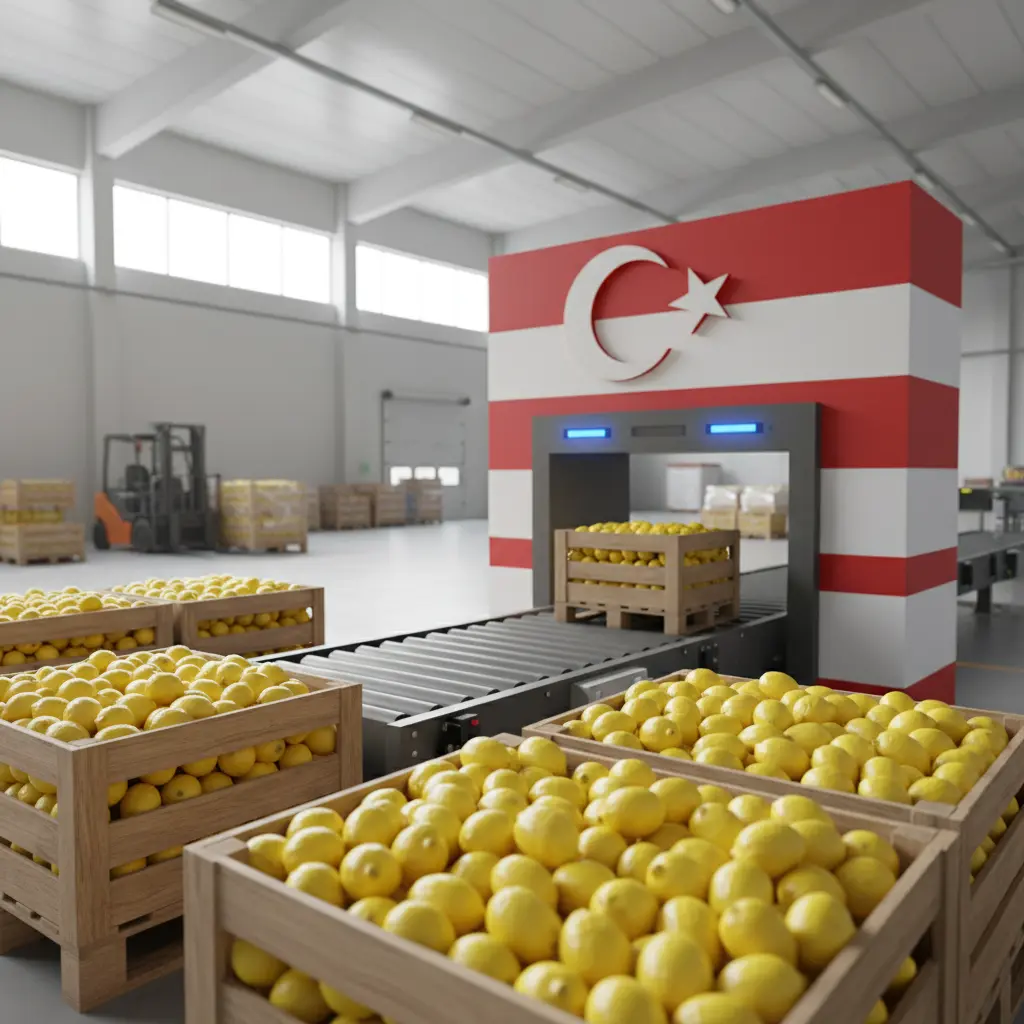
ANKARA, (DHA) – The Turkish Ministry of Trade has announced a temporary reorganization of the customs duty applied to lemon imports. This decision aims to ensure supply security for basic food products, guide markets appropriately, and prevent speculative price increases.
Temporary Reduction to 10% Until July 31, 2026
In a statement released by the Ministry, it was highlighted that trade policy tools are being used effectively to achieve these goals. Collaborative efforts are being undertaken with relevant institutions and organizations, including the Ministry of Agriculture and Forestry.
The Ministry stated that the decision regarding lemon imports considered consumer needs for affordable prices, production levels, supply-demand balance, price movements, and foreign trade data. Consequently, the customs duty on lemon imports will be applied at a rate of 10% until July 31, 2026.
Duty to Revert to 54% from August 1, 2026
Furthermore, to protect domestic producers, and taking into account the lemon harvest season, the customs duty on imports from August 1, 2026, will continue to be applied at the highest level of 54% within the framework of international commitments.
The Ministry of Trade emphasized that it will continue to closely monitor both domestic and international markets to ensure food product supply security and price stability.
This measure comes as part of broader efforts to manage economic stability and consumer welfare in Turkey. The temporary reduction aims to alleviate immediate price pressures and ensure adequate supply, while the planned return to a higher duty reflects a commitment to supporting local agricultural sectors during their peak production periods.
The decision is expected to have a direct impact on the pricing of lemons in the Turkish market, potentially offering consumers more affordable options in the short term. However, the long-term strategy remains focused on balancing import needs with the protection of domestic farming interests.
The Ministry did not provide specific figures on the projected impact on consumer prices or the volume of imports expected under the revised duty structure. However, such proactive measures in staple food items are typically aimed at mitigating inflationary pressures and ensuring market equilibrium.
This move is indicative of the government’s ongoing efforts to fine-tune its economic policies in response to market dynamics and consumer demands, particularly in essential goods sectors.
Source: DHA