


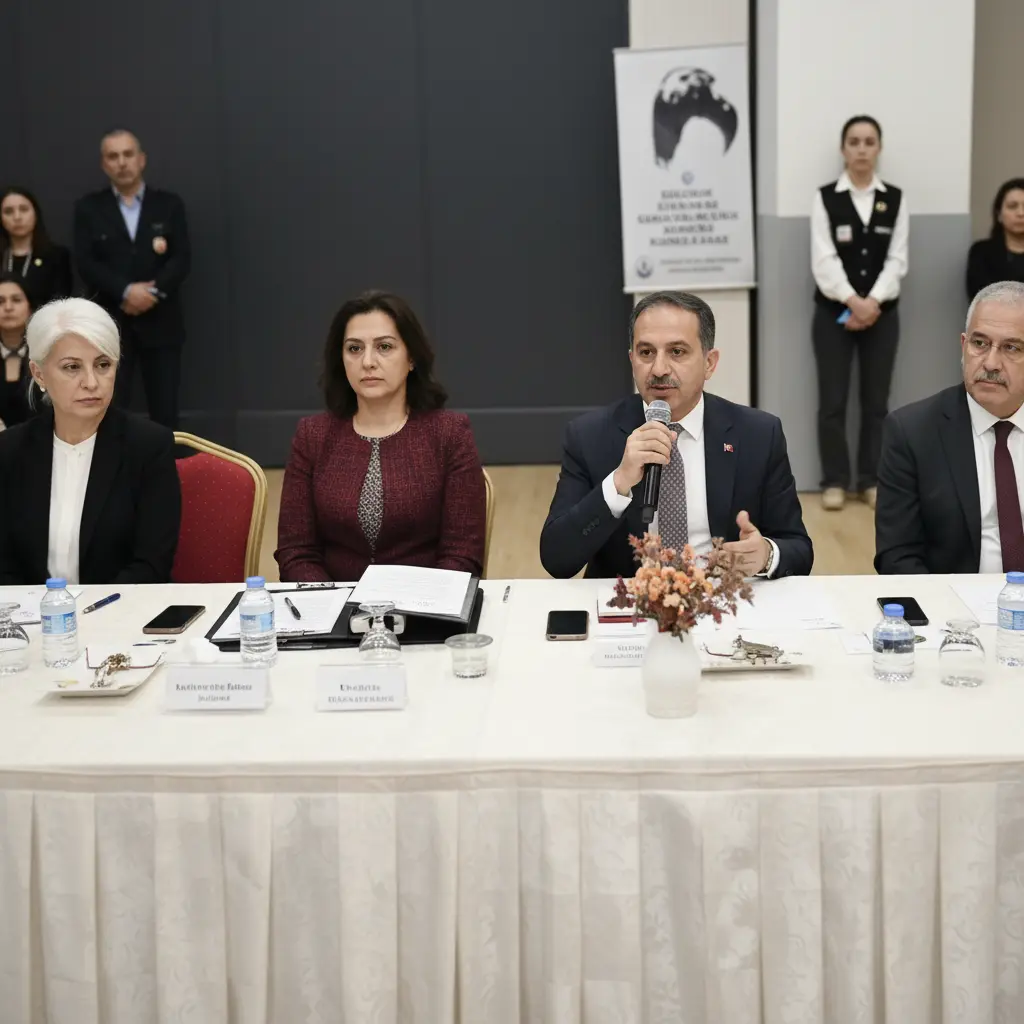
A crucial meeting aimed at enhancing vocational and technical education in Mamak, Ankara, gathered key representatives from public institutions, educational organizations, and various industry sectors. The collaboration initiative seeks to improve the quality of vocational training and strengthen the link between education and employment.
Key Stakeholders Convene at Nene Hatun Vocational High School
The “Public-Sector-Vocational and Technical Education Collaboration Meeting” was chaired by Mamak District Governor Mehmet Nebi Kaya and hosted by Nene Hatun Girls’ Vocational and Technical Anatolian High School. Attendees included Mamak District National Education Director Ahmet Gençtürk, Branch Manager Deniz Toydemir, principals of vocational and technical high schools, and managers of public education centers.
The meeting also saw participation from prominent industry organizations such as the Ankara Chamber of Commerce (ATO), Ankara Chamber of Industry (ASO), OSİAD, Gazi University Vocational School, and the Mamak Business People and Industrialists Association. Representatives from the Woodworking Federation, Ermeksan, Wood Garden & Home, İŞKUR (Turkish Employment Agency), and KOSGEB (Small and Medium Enterprises Development Organization) were also present, highlighting the broad spectrum of stakeholders involved.
Focus on Quality, Employment, and Sustainable Partnerships
Discussions at the meeting centered on critical themes, including increasing the quality of vocational and technical education, strengthening the relationship between education and employment, and developing sustainable collaborations with the industry sector. Participants exchanged views on the practical implications of school-industry cooperation and outlined planned activities for the upcoming period.
The gathering aimed to make significant contributions to further strengthening vocational and technical education in Mamak and fostering the development of a qualified workforce. The emphasis was on creating a robust framework that aligns educational outcomes with the demands of the labor market, ensuring that graduates are well-prepared for their careers.
Addressing Industry Needs and Future Workforce Development
The presence of representatives from various industry sectors underscores the commitment to tailoring vocational education to meet the specific needs of businesses. By involving employers directly in the planning and implementation of educational programs, Mamak aims to bridge the skills gap and provide students with relevant, practical training.
This collaborative approach is expected to result in more effective curriculum development, increased internship opportunities, and better employment prospects for vocational school graduates. The long-term goal is to establish Mamak as a hub for skilled labor, supporting local economic growth and industrial development.
Commitment to Ongoing Collaboration
The meeting concluded with a shared commitment to continue these collaborative efforts. All parties recognized the importance of ongoing dialogue and cooperation to adapt vocational education to evolving industry trends and technological advancements. Future initiatives will likely include regular review meetings, joint projects, and expanded partnership agreements between educational institutions and businesses.