

Ankara Grapples with Three Months of Water Shortages, Blame Game Between Municipality and State Hydraulic Works
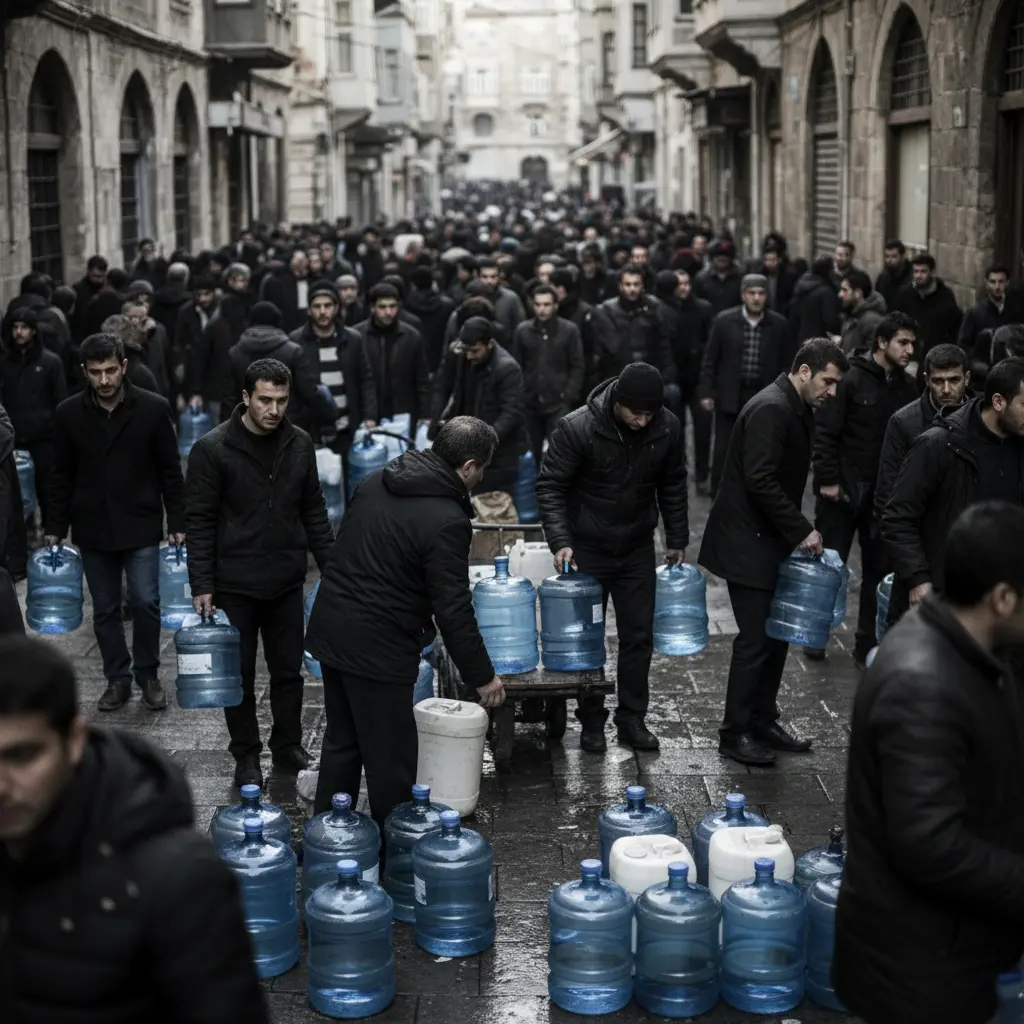
Ankara, the capital of Turkey, has been experiencing severe water shortages for the past three months, leaving residents frustrated and sparking a blame game between the city’s CHP-led municipality and the State Hydraulic Works (DSİ). The crisis, which began with a malfunction in the Kesikköprü line on September 29, 2025, has led to planned and unplanned water cuts across various districts, including Etimesgut, Çankaya, Gölbaşı, Kazan, Polatlı, Mamak, Keçiören, Pursaklar, Altındağ, Akyurt, and Yenimahalle.
Municipality Cites Drought and Lack of Authority, DSİ Points to Municipal Responsibility
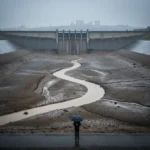
The Ankara Water and Sewerage Administration (ASKİ), under the leadership of Mayor Mansur Yavaş, has attributed the ongoing water crisis to a deepening drought, claiming that the situation is a result of “incompetence, not a deepening drought.” ASKİ further stated that it lacks the authority to independently find and bring water to Ankara, asserting that this responsibility legally falls under the purview of DSİ.
In response, DSİ issued a statement clarifying that measures to reduce water loss and leakage are the sole responsibility of ASKİ. The institution emphasized that all duties and responsibilities, from the water source to the end-user, lie with ASKİ. DSİ highlighted that, according to the Metropolitan Municipality Law, the establishment, operation, and investment in water and sewerage services, including depots and networks, are the responsibility of the municipalities.
High Water Loss and Lack of Investment Exacerbate Crisis
A significant factor contributing to Ankara’s water woes is the high rate of water loss and leakage in the drinking water network, which currently stands at 37 percent. DSİ claims that if the CHP-led administration had undertaken timely infrastructure renovation work, this rate could have been reduced to the regulatory limit of 25 percent. Such measures would have conserved approximately 65 million cubic meters of water in dams, enough to meet Ankara’s drinking water needs for 53 days.
DSİ also noted that some municipalities, failing to allocate sufficient resources from their budgets, request DSİ to undertake drinking water supply projects. While DSİ can construct water facilities “from the source to the depot” under certain conditions – including being part of the investment program, having allocated funds, and the relevant municipality signing a protocol – it stressed that this does not absolve municipalities of their responsibilities. DSİ reiterated that the construction of depots and drinking water networks, as well as the reduction of water loss and leakage, are “solely the duties of the municipalities.”
Political Reactions and Future Outlook
The water crisis has also drawn political criticism. On January 8, 2026, Minister Yumaklı criticized the cuts in Ankara, stating, “Manage the water, not the perception.” Earlier, on January 7, 2026, the CHP defended Ankara’s water scarcity by citing the “climate crisis.”
The lack of a clear resolution and the ongoing dispute between the municipal and state bodies leave Ankara residents facing an uncertain future regarding their water supply. The situation underscores the critical need for effective water management strategies and collaborative efforts to address both immediate and long-term challenges posed by climate change and urban development.