

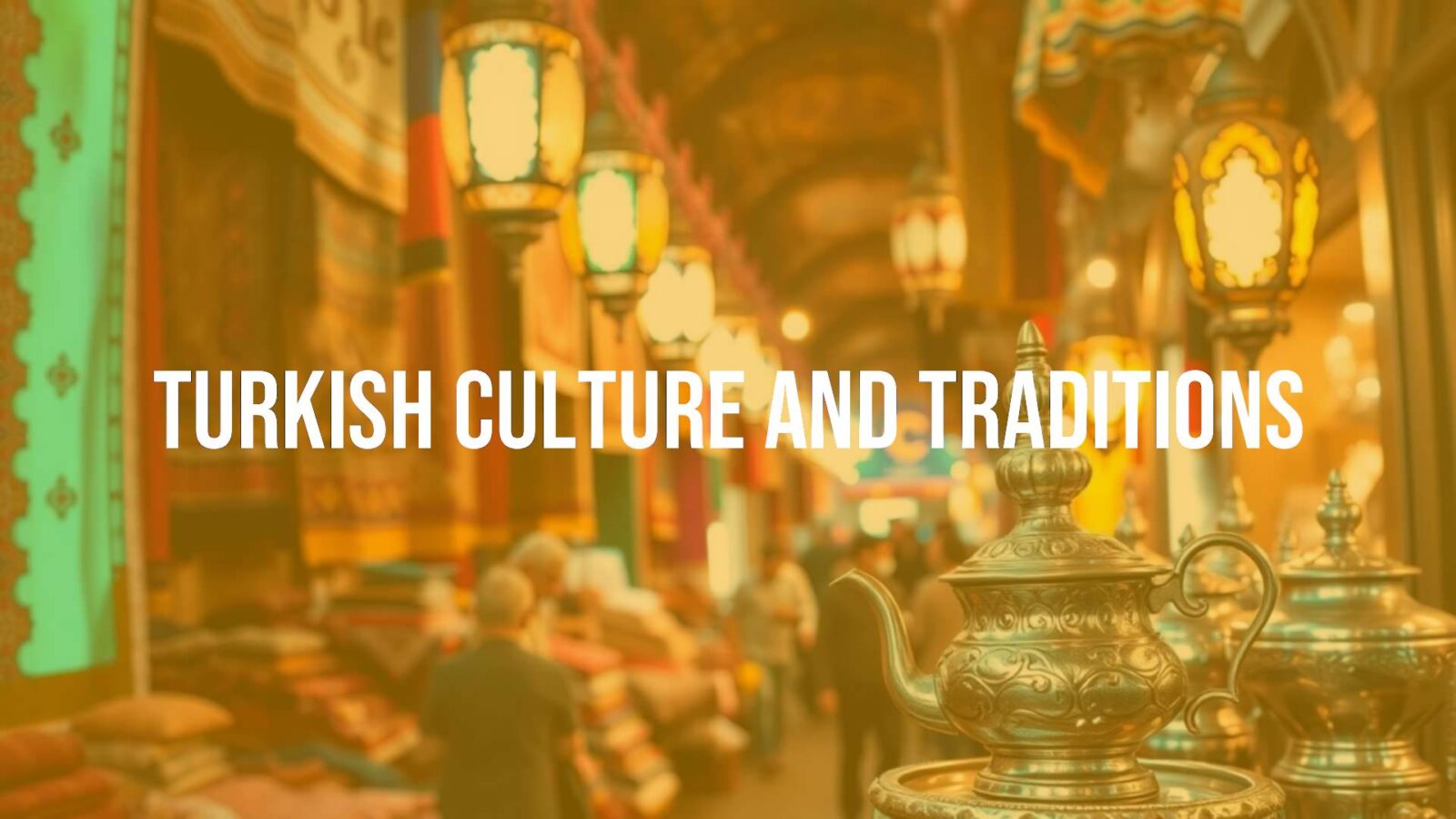
Turkish culture and traditions are lively and diverse, shaped through many centuries by different peoples and events. This unique heritage is a real part of everyday life, not just seen in museums but present from busy cities to quiet countryside. In Turkey, old customs and new ideas come together, influenced by its location between Europe and Asia and its long history as a center of mighty empires. To understand Turkish culture, it’s important to notice its strong hospitality, focus on family, and deep religious beliefs, all shown in the many rituals, celebrations, and art forms that are part of daily life.
What are the main parts of Turkish culture and traditions?
Turkish culture is made up of many different influences, brought together by its special place between East and West. These influences are mixed into daily life in many ways, from language and food to music and celebrations. Over time, outside influences and local traditions regularly meet, giving Turkish culture a special identity that is both very old and always growing.
Main values that shape Turkish society
Some values are especially important in Turkey. Hospitality, or misafirperverlik, is one of the most obvious. Visitors, even those who arrive without notice, are welcomed warmly and offered tea, coffee, and food. Turning down this kindness is seen as rude, showing just how much generosity matters. Respecting older people is also a core part of life. This is shown through gestures like El Öpme, where young people kiss an elder’s right hand and then touch it to their forehead. Family relationships run deep, shaping almost every decision, with a focus on mutual support and community over the individual. Islamic beliefs often guide these traditions, mixing religious and cultural values in daily routines.

Historical roots of Turkish culture
The land known as Turkey today has seen many civilizations come and go, each leaving lasting effects. Hittites, Greeks, Romans, Byzantines, and Turks have all called this area home at some point. For example, the area’s art and architecture show marks from the Byzantine period, visible in places like Cappadocia. When the Turks arrived, Islam became a key part of local culture. The Ottoman Empire, with its great size and many different peoples, added more traditions, foods, and art. With the founding of modern Turkey by Atatürk, the country changed many things, including the language and the way it handled religion. Turkish culture today is shaped by this long history, balancing old Anatolian ways, Islamic traditions, and Western ideas.
Geography and ethnic groups in Turkey
Turkey’s location on two continents brings a lot of cultural and ethnic variety. Most people are ethnic Turks, but Turkey also has Kurds, Arabs, Armenians, Greeks, Circassians, Bosniaks, and more. These groups bring their own languages and customs, especially noticeable in different parts of the country. For example, Kurdish is widely spoken in the southeast. Food, music, and even speech can change a lot between regions, but a sense of shared Turkish identity links everyone together through national sports, holidays, and TV programs.
Family and social life in Turkey
Family sits at the heart of Turkish society. People are tightly connected with their relatives and often share advice, support, and social life through family ties.
The role of family in everyday Turkish life
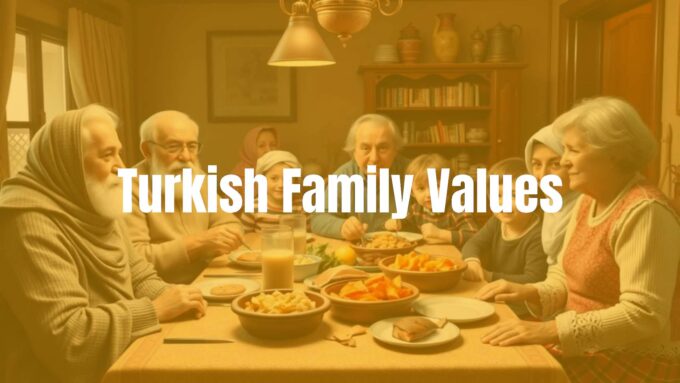
In Turkey, family comes first. People often gather for meals, celebrations, and just to spend time together. Major decisions are made with the family’s needs in mind, and honoring elders is very important. Older people are cared for and looked up to, and traditions are kept alive through them.
Community and extended family ties
Beyond direct relatives, neighbors and friends form a close-knit community. In villages, people often help each other with big tasks and celebrate festivals together. Even in cities, ties between neighbors are strong, and it’s common to greet and check in on each other often.
Men’s and women’s roles then and now
Traditionally, there was a clear split between men’s and women’s tasks, especially in villages. Men often did physical labor and managed work outside, while women cooked, looked after children, and did housework, as well as helped on farms. Gender roles were and still can be quite strict, and talking about topics like sexuality is rare. However, in cities, especially among more educated people, women have gained more rights and often work outside the home. Still, in many working-class and rural parts, traditional roles continue to be the norm, showing the ongoing mix of modern and old views in Turkish life.

Religion in Turkish life
Religion is an important part of Turkish tradition, mainly Islam, although Turkey is officially a secular country. Its influence can be seen in daily routines and big life events.
Main religions and their effect
Most Turkish people are Muslim (mainly Sunni), and Islamic beliefs shape many habits and rules. There are also groups like Alevis, and in larger cities, Christian and Jewish communities, who worship freely. Islam still shapes much of everyday life, even though the government and religion are officially separate.
Religious habits and events
Daily prayers are called out from mosques five times a day. Ramadan, when people fast from sunrise to sunset, is a key part of the year, followed by big meals with family and friends. The pilgrimage to Mecca (Hajj) is important for all able Muslims, and those who complete it are respected and celebrated by their communities. Circumcision ceremonies for boys (Sünnet Düğünü) are widely celebrated, highlighting milestones in young boys’ religious lives.
Important religious holidays
Religious festivals such as Eid al-Fitr (Şeker Bayramı) and Eid al-Adha (Kurban Bayramı) are major events, marked by family gatherings, gift-giving, and special foods. Mosques act as centers for the community, especially during these times.
Social customs and manners in Turkey
Everyday interactions in Turkey are guided by warm manners and respect, which helps people connect and feel welcome.
Hospitality towards guests
Hospitality (misafirperverlik) is key in Turkish culture. Guests are always offered food and drink, and it is considered rude to refuse. When invited to someone’s home, it is polite to say “no, thank you” once or twice before accepting, as this shows modesty and lets the host know you’re truly interested.
Greetings and gestures
Greetings are often warm. People might shake hands or, especially during family meetings and holidays, show extra respect to elders by kissing their hand and bringing it to their forehead (El Öpme). This tradition shows respect and love for older generations.
Baths and cologne habits
The Turkish bath, or hammam, is an old tradition for both cleaning and relaxing with others. Many classic hammams are open to locals and tourists today. Along with baths, it’s common to offer guests kolonya (lemon-scented cologne), used to refresh and show care for others.
Folk beliefs and superstitions
Old beliefs and superstitions still play a role in Turkish daily life, with rituals meant to protect, entertain, or explain things.
Evil eye and protection
Belief in the “evil eye” (nazar) is very common. People worry that too much praise can bring bad luck, so blue-and-white “evil eye beads” (nazar boncuğu) are put in homes, workplaces, and cars for protection. Small sayings or actions are also used to ward off bad luck.

Fortune-telling and old rituals
Reading Turkish coffee grounds is a favorite way to try to see the future, mainly among women sharing time together. Another traditional activity is pouring melted lead into water (kurşun dökme), with the shapes read to predict good or bad luck, though this happens less often now.
Everyday superstitions
Many other beliefs are followed, such as throwing salt over the shoulder to stop bad luck if it spills, or thinking that an eye that twitches signals news is coming. Breaking a mirror is thought to bring seven years of bad luck. While some see these as old stories, many people still follow them anyway.
Special events and celebrations
There are many big events throughout the year in Turkey, each with unique traditions and community spirit.
Weddings
Weddings in Turkey include several traditional events. A few days before the ceremony, the bride’s family holds a “Henna Night” (kına gecesi), where the bride’s hands are painted with henna, music and dancing follow, and a jug may be broken for good luck. Another fun custom is when the bride serves salty coffee to test the groom’s patience, poking a little fun at how married life might have ups and downs. Weddings are big parties with lots of food, dancing, and shared joy.

Births and coming-of-age parties
When a child is born, friends and family visit to celebrate and give presents. Boys’ circumcision parties (Sünnet Düğünü) include special clothes and feasts, with gifts and music. These events welcome children as full members of the community.
Festivals and national days
Several nationwide holidays and local festivals are celebrated, often with parades and music. Republic Day, National Sovereignty and Children’s Day, and Victory Day are major holidays. Seasonal festivals like Hıdırellez (spring festival) include rituals for good luck, and camel wrestling matches (mostly in winter in the west) draw big crowds.
| Holiday/Festival | Date | Main Activities |
|---|---|---|
| Republic Day | October 29 | Parades, fireworks, ceremonies |
| National Sovereignty & Children’s Day | April 23 | Performances by children, ceremonies, parades |
| Victory Day | August 30 | Celebrations, concerts |
| Hıdırellez | May 6 | Wishes for luck, outdoor gatherings |
| Camel Wrestling | December-March | Wrestling matches, food, music |
Turkish food and eating habits
Food is an important part of Turkish culture. Meals are about much more than just eating-they are times for sharing, connecting, and enjoying a wide range of flavors.
Diversity of Turkish food
Food changes a lot from one region to another in Turkey. The Black Sea area uses lots of fish and corn, while the southeast is known for spicy kebabs and desserts like baklava. The western parts use lots of olive oil, and dishes often include fresh vegetables and fish. Central Anatolia is famous for things like dumplings (mantı). Istanbul offers a mix of food from all over the country.
Tea and coffee traditions
Tea (çay) is Turkey’s favorite drink, served in small glasses and offered to visitors as a way to show welcome. Turkey’s main tea-growing area is Rize. Turkish coffee is made in a special small pot (cezve), is strong, and often comes with a sweet treat. Drinking coffee is also a time to relax and talk, and many enjoy reading the grounds for fun predictions.
Turkish breakfast
The Turkish breakfast (kahvaltı) is a big event, especially on weekends or for guests. The table is filled with cheeses, olives, bread, tomatoes, cucumbers, jams, honey, eggs, and more. It’s a time to sit together, relax, and talk before starting the day.

Food at celebrations and in daily life
Special days mean bigger meals, with many starters (meze), main courses, and desserts like baklava and sütlaç (rice pudding). Even everyday family dinners are filling and include bread, yogurt, and fresh seasonal produce. Sharing food is a main way people connect in Turkey.
Arts, music, and literature
Art, music, and writing are all important in Turkish culture, showing its long history and creative spirit.
Handicrafts: carpets, glasswork, calligraphy
Turkish carpets and kilims (woven rugs) are handmade and valued worldwide for their colors and designs, often showing the history of a particular region or family. Turkey is also known for glass-making, especially stained glass in mosques, and for calligraphy, which decorates public spaces and homes with elegant writing.
Music and dance
Traditional instruments like the ney (flute) and oud are common. Folk dances like Halay, where people join hands in a line or circle and follow a leader, are performed at parties, weddings, and festivals. The davul (drum) and zurna (wind instrument) provide much of the energy for these dances.
Turkish literature
Oral stories, poems, and tales like those of Nasreddin Hoca are part of Turkish tradition. Ottoman times brought different forms of poetry and writing, often inspired by Persian styles. In the last century, Turkish literature has included novels, short stories, patriotic works, and more modern writing, often discussing daily life, rural issues, or cultural identity. Notable modern authors include Nobel Prize winner Orhan Pamuk.
Buildings and clothing tradition
How Turks build and what they wear says a lot about their history and values.
Main architectural styles
Architecture in Turkey mixes Seljuk, Ottoman, and modern ideas. Seljuk buildings often include strong stonework and intricate carvings, seen in old mosques and madrasas. Ottoman buildings, especially mosques with domes and tiles, are some of the country’s most famous. In the 20th century, Turkey also adopted modern and European-influenced styles, so you’ll see many kinds of buildings in its cities today.
Traditional clothing
The şalvar (loose trousers) is a classic Turkish garment, still worn in some villages. Women often add scarves and colorful skirts, sometimes showing their marital or village status by their outfits. Men’s clothing includes vests and jackets. In cities, most people now wear Western clothes, but traditional items come out for festivals and special events.
How Turkish culture is changing
Modern life, technology, and international influences are changing Turkish culture while old customs also remain strong.
City growth and outside influence
More people now live in cities, where life is busy and often different from the countryside. Cities have adopted Western styles, use more English, and have new ways of working, shopping, and getting around. Television, the internet, and social media bring in global ideas, especially to younger people, causing some differences between city and rural lifestyles.
Modern music and film
Turkish music now includes pop and hip-hop along with older styles. Singers like Tarkan are famous in and out of Turkey. Turkish films have won awards abroad, and directors with roots in both Turkey and Europe make movies that talk about identity and social issues.
Young people and new lifestyles
Young people often take up new fashion, music, and art styles, but many keep their connection to family and traditional celebrations. Street art and social media are new ways youth express themselves, while many still respect the values passed down by parents and grandparents.
Frequently asked questions about Turkish culture and traditions
Is Turkish culture more traditional or modern?
Turkish culture includes both very traditional and quite modern parts. Rural areas and some older people follow old customs and religious beliefs. Cities and young people often adopt more modern or international lifestyles. So, it really depends where you are in Turkey and who you are talking to.
How can visitors join in Turkish traditions respectfully?
- Accept Hospitality: Take tea or food when offered. Saying “no” too quickly can seem unfriendly.
- Dress Appropriately: Cover shoulders and legs, especially in mosques. Women might need a headscarf. Remove shoes before entering homes or mosques.
- Show Respect for Elders: Be polite to older people, even if you don’t follow every local greeting custom.
- Good Table Manners: Use your right hand for eating. Keep feet off the table and avoid pointing them at people.
- Try Learning a Few Words: Saying “hello” (merhaba), “please” (lütfen), and “thank you” (teşekkür ederim) is appreciated.
- Ask Before Taking Photos: Especially in the countryside or at events, get permission before photographing people.
- Drink Alcohol Sensibly: While drinking is common in cities, being drunk in public is generally not accepted elsewhere.
What are some common myths about Turkish customs?
People sometimes wrongly think Turkey is completely traditional or conservative. In fact, there’s a wide mix; cities can be very modern, and many women dress in all sorts of ways. Another myth is that Turkish food is only kebabs, when it actually has a huge variety of dishes. Finally, Turkey is not all the same-local differences in language, festivals, and food are big and show the country’s diversity.





Leave a comment