


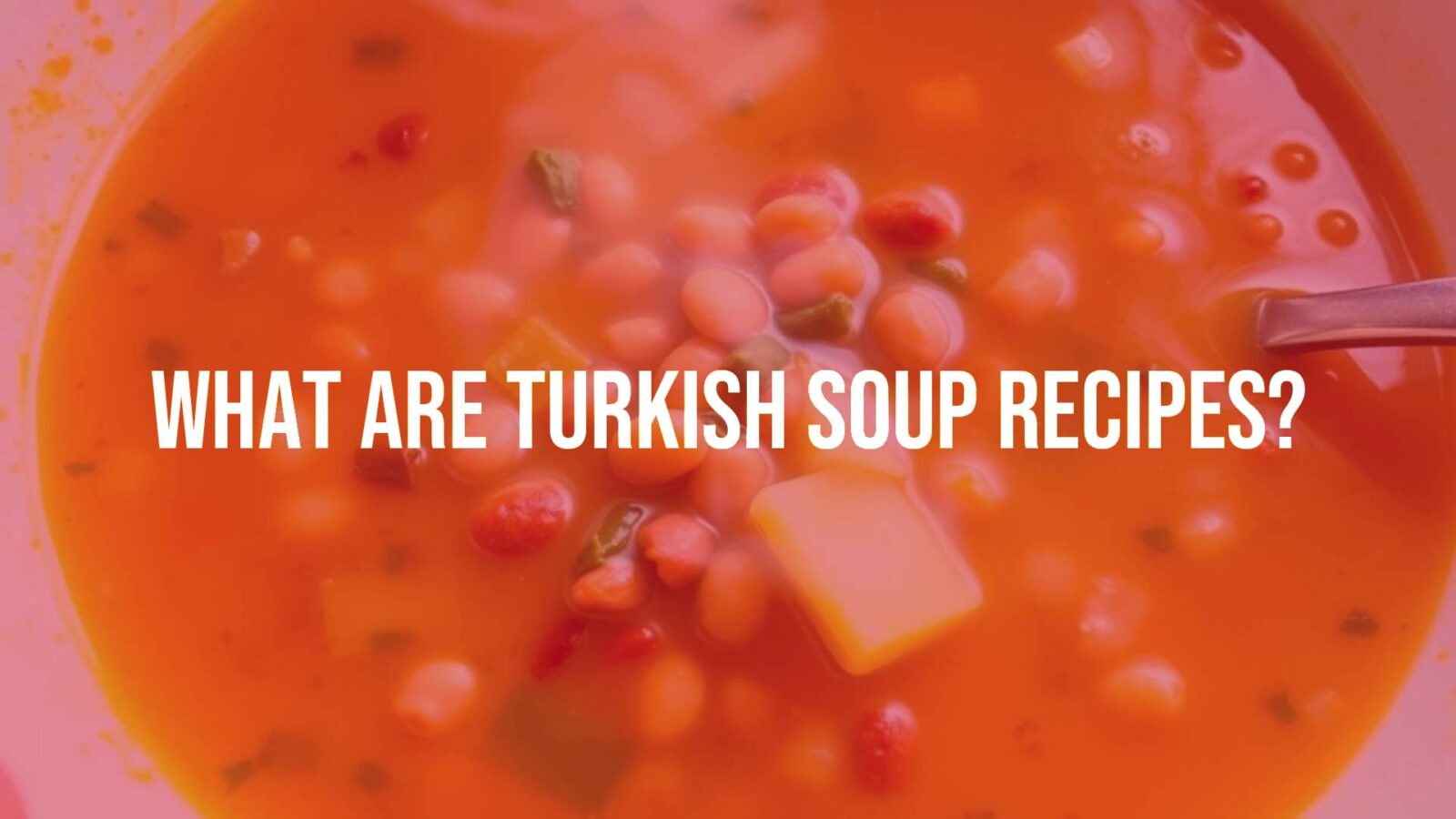
Turkish soup recipes, called “çorba” in Turkish, are much more than a simple starter. They are a key part of Turkish cooking and everyday life. These warm, comforting bowls show off rich flavors and many different textures, shaped by long traditions and local styles. There are light, gentle broths that are great on a warm day, and thick, filling stews that work as a full meal on their own. Turkish soups suit every taste and time of day, and they are loved for the way they comfort, nourish, and bring people together, reflecting the kindness and hospitality at the core of Turkish culture.
Turkish soups are also very flexible. You’ll see them served at breakfast, before a main meal, or as the main dish with bread on the side. Their charm comes from both their taste and their natural goodness. They often include lentils, grains, and fresh vegetables packed with nutrients. Each spoonful carries a piece of history, regional pride, and the simple pleasure of eating a good, homemade dish.
Characteristics of Turkish Soups
Turkish soups usually have a balanced mix of fresh ingredients, fragrant spices, and often a smooth, creamy feel without using heavy cream. Many classic recipes are based on legumes such as red or green lentils. These soften and break down as they cook, thickening the soup by themselves. Common vegetables like onions, carrots, and potatoes build the base flavor, adding both sweetness and body.
A special feature in many Turkish soups is the “terbiye” – a tempering mixture usually made with yogurt, egg yolk, and flour. This gives a gentle sour note and a silky texture. Spices are very important too. Dried mint, Aleppo pepper (pul biber), cumin, and paprika are regulars, adding warmth, mild heat, and earthy flavors. Often, the soup is finished with a spoonful of hot butter or olive oil flavored with herbs or chili. This adds extra taste and makes the soup look appealing.
Cultural Significance of Soup in Turkey
Soup has a very special place in Turkish life. It is seen as a sign of comfort, care, and good health rather than just food. From the days of nomadic tribes, through the Ottoman period, up to modern times, soup has been part of daily meals. It is often the first dish served in a traditional spread, preparing guests for what comes next.
At home, soup is also a go-to healing dish. People drink it when they have the flu, after surgery, or or after a long night out. Strong soups like İşkembe Çorbası (Tripe Soup) and Paça Çorbası (Trotter Soup) are famous as early-morning hangover cures. Sharing a hot bowl of soup is seen as a caring act, showing the generosity so closely linked to Turkish hospitality. Soup feeds both body and spirit and often reminds people of family and childhood.

Common Ingredients in Turkish Soups
Turkish soups use simple, wholesome pantry staples. Lentils, especially red lentils, are the star in many recipes because they cook fast and make the soup naturally thick. Grains such as rice and bulgur are also common and give extra bite and structure.
Fresh vegetables are at the core: onions, garlic, carrots, potatoes, and tomatoes build rich, savory broths. Herbs and spices give each soup its own character. Dried mint brings a cool lift, Aleppo pepper offers gentle heat and sweetness, while cumin and paprika add warmth and depth. Yogurt is very important in many recipes, especially tangy, creamy soups such as Yayla Çorbası. There, yogurt is mixed with egg yolk and flour and added slowly to stop it from splitting and to keep the soup smooth. Olive oil or butter is usually used both for cooking and as a garnish, tying all the flavors together.
Types of Traditional Turkish Soups
Turkish cooking includes many traditional soups, each with its own flavor, story, and regional twist. These soups are expressions of Turkey’s varied land and different cultures. Tasting them is like traveling around the country, from the sunny Mediterranean to the Black Sea coast and deep into Anatolia.
Some soups are found almost everywhere and loved by all. Others are local dishes known mainly in certain towns or regions. This variety means there is a Turkish soup for every season and mood: light and bright, rich and filling, mild or spicy.
Mercimek Çorbası (Lentil Soup)
Mercimek Çorbası, or Turkish Red Lentil Soup, is one of the best-known Turkish soups. It is a daily staple in many homes because it is smooth, comforting, and very healthy. Often called Kırmızı Mercimek Çorbası, it is also simple and quick to make – about 30 minutes – which makes it ideal for busy days.
Its creamy feel comes from the red lentils themselves, which fall apart as they cook, so there is no need for cream. The soup usually includes red lentils, onion, carrots, and sometimes potato, along with spices like Aleppo pepper, cumin, and coriander. A squeeze of lemon at the table is seen as a must to lighten the deep flavors, and a spoonful of chili oil on top gives heat and color.
Ezogelin Çorbası (Bride’s Soup)
Ezogelin Çorbası, or Bride’s Soup, is a rich, slightly spicy lentil soup with a well-known love story behind it. It is named after Ezo Gelin, a young woman from Gaziantep whose tragic life inspired movies and songs. This soup is a classic and stands apart from plain lentil soup because of its grains and its bold seasoning.
It is made with red lentils plus rice and coarse bulgur, which make it extra filling and textured. Tomato paste and red pepper paste, both common in Gaziantep, add strong flavor and color. The spice mix usually includes red pepper flakes, black pepper, mint, and cumin. Often, the pastes and spices are fried in butter first to make a bright, fragrant oil that is stirred into the soup at the end. Ezogelin Çorbası is very popular in simple local restaurants (“esnaf lokantası”) and is especially welcome as a hot, spicy starter on cold days.
Tarhana Çorbası (Fermented Grain Soup)
Tarhana Çorbası is an old and very traditional Turkish soup with a special sour, earthy taste. Its main ingredient, tarhana, is a dried, fermented mix of yogurt, flour, grated vegetables, and spices. The mixture ferments for several days, is then dried, and crushed into small pieces for storage.
To cook the soup, the dry tarhana is soaked and then simmered in water or broth until it becomes thick and smooth. The fermentation gives Tarhana Çorbası its tangy, slightly sharp flavor and gentle grainy texture. Many families eat it for breakfast like a hot porridge. Regional styles differ: Uşak Tarhanası from western Turkey, for example, uses more vegetables like onion, pepper, tomato, and mint, giving a thicker body and a smooth, almost buttery finish.
Tavuk Çorbası (Chicken Soup)
Tavuk Çorbası, or Turkish Chicken Soup, is a classic comfort dish with a soothing taste and aroma. When made with thin noodles, it is called Tavuklu Şehriye Çorbası (Chicken Soup with Noodles). It usually starts with a slowly simmered broth from chicken bones, meat, and vegetables such as onion, carrot, and sometimes celery.
The cooked chicken is shredded and added back to the pot with vermicelli-style noodles, which soak up the broth. Some versions are clear and light, while others are slightly creamy. In many restaurants, Tavuk Çorbası gets its creaminess from yogurt mixed with flour and egg yolk, which is carefully added to the hot soup. This gives a silky, mildly sour taste without using cream. A pinch of dried mint or parsley and fresh lemon juice on top complete this soothing dish, which many choose when sick or tired.
Domates Çorbası (Tomato Soup)
Domates Çorbası, or Turkish Tomato Soup, is a bright, often creamy version of tomato soup. It usually begins with cooking fresh tomatoes down into a thick paste that forms the base of the broth. Flour, starch, or butter may be added to make the soup thicker and smoother.
The sharpness of tomato is part of the soup’s charm, but some cooks add milk or cream for a gentler taste. Often served as a light first course, it can turn into a more filling dish with bread, simit, or savory pastries such as chebureki or lahmacun. It shows how Turkish cooking can turn simple ingredients into something both simple and deep in flavor.
Yayla Çorbası (Yogurt Soup)
Yayla Çorbası, or Highland Soup, is a cool, tangy soup made with yogurt. The name comes from the mountain pastures (“yayla”) where families used to move their herds in summer, underlining the link with dairy and rural life. This soup shows how yogurt can add both creaminess and a pleasant sour touch.
Yayla Çorbası usually combines yogurt, broth, and rice. A key step is to mix the yogurt with flour and egg yolk and then slowly blend it into the hot broth so it does not curdle. The rice is often cooked first and added later so it stays firm. Just before serving, melted butter flavored with dried mint is drizzled over the top, giving a lovely smell and color. The soup is especially welcome in warm weather because it feels light and cooling.
İşkembe Çorbası (Tripe Soup)
İşkembe Çorbası, or Tripe Soup, is a traditional favorite known for its strong, unique taste and its place as a “recovery” soup. Made from beef tripe, it is widely seen as one of the best hangover cures in Turkey and also in nearby Balkan countries, where similar soups are common. Cleaning and cooking tripe takes time and care, but the result is very satisfying to those who enjoy it.
The tripe is washed thoroughly and then simmered for a long time until tender, usually in a broth with plenty of garlic and vinegar. The slow cooking releases collagen, giving the soup a rich, slightly jelly-like feel. At the table, it is often served with extra garlic-vinegar sauce and red pepper flakes so each person can adjust the flavor. Many people love İşkembe Çorbası both for its taste and for the way it seems to revive tired bodies.
Yüksük Çorbası (Thimble Dumpling Soup)
Yüksük Çorbası, or Thimble Dumpling Soup, is a cozy soup packed with tiny meat-filled dumplings. The name “yüksük” means “thimble,” reflecting the little size of these pasta pockets. It is especially popular around Adana and is often enjoyed in winter.
The small dumplings are cooked in a tomato-based broth that often includes chickpeas for extra flavor. Right before serving, yogurt and dried mint are commonly stirred in or spooned on top, adding creaminess and a fresh aroma. The soup is both filling and slightly spicy, making it perfect for cold days. Making the tiny dumplings takes patience and skill, showing the care that goes into traditional Turkish home cooking.
Sebze Çorbası (Vegetable Soup)
Sebze Çorbası, or Turkish Vegetable Soup, is a light but tasty soup that highlights seasonal vegetables. It reflects the Turkish habit of using fresh, simple ingredients to create healthy food. Common vegetables include carrots, potatoes, zucchini, tomatoes, onions, and green beans, but the mix can change with the season.
The flavor depends heavily on the quality of the vegetables, whose natural sweetness shapes the soup. The broth is usually kept light so each vegetable flavor can stand out. Some versions, such as “Şehriyeli Sebze Çorbası,” add orzo (şehriye) to give more body. A little olive oil and a squeeze of lemon just before serving brighten and round out the taste. This soup is easy to adjust, good for all seasons, and fits well into a healthy diet.
Other Regional Specialties
Turkey’s varied land and long history mean many regions have their own soup specialties, based on local produce and traditions. From the Black Sea region comes Lahana Çorbası, a hearty collard greens soup. This filling dish, sometimes called black cabbage soup, often includes cornmeal, dry beans, and sometimes cured meat or sausage. It is rich in Vitamin C and fiber and is often enjoyed as a health-boosting meal.
Another well-known Anatolian soup is Toyga Çorbası, a thick yogurt and wheat soup that is heavier than Yayla Çorbası. It usually contains chickpeas and wheat or bulgur, which are soaked overnight, and a tempered yogurt mixture. The result is a very filling soup with chewy grains and a tangy taste. Balık Çorbası (Fish Soup) is popular in coastal towns along the Aegean and Mediterranean. This mildly creamy soup features fresh white fish like sea bass or grouper plus carrots, leeks, and potatoes, brightened with lemon and black pepper. These and other regional soups offer a broader look at Turkey’s rich food culture.
Popular Turkish Soup Recipes and Variations
Many Turkish soups are now well known both inside and outside Turkey. These popular recipes often give people their first taste of Turkish cooking. While there are classic versions, cooks frequently adjust them slightly, so each pot is a little different.
From the spicy, tangy Ezogelin to the earthy, sour Tarhana, these soups show the creativity and warmth of Turkish home food. Learning how they are made helps you prepare them at home and also understand the stories and traditions they carry.
Ezogelin Soup: Ingredients and Preparation
Ezogelin Çorbası, or Bride’s Soup, is a thick, flavorful lentil soup with a special place in Turkish kitchens. The main ingredients are red lentils, rice, and fine bulgur, which together give it a hearty texture. Onion and garlic form the base, while tomato paste and often Turkish red pepper paste (biber salçası) add depth and rich color. The key spices are Aleppo pepper (pul biber), dried mint, black pepper, and cumin, creating a warm, slightly hot taste.
To make it, onions are gently fried in olive oil until soft, then garlic is added. Red lentils, bulgur, and rice go in next, followed by chicken or vegetable stock. The soup is brought to a boil and then simmered for 20-30 minutes until everything is tender. A key step is making a spiced tomato butter: butter is melted, then tomato paste, pepper paste, Aleppo pepper, and dried mint are briefly fried to boost their flavor. This mixture is stirred into the cooked soup. Salt and pepper are adjusted at the end, and the soup is often served with lemon slices and extra pul biber.
Tarhana Soup: How It’s Made and Served
Tarhana Çorbası starts with tarhana, which is prepared days or even weeks in advance. Yogurt, flour, and usually grated vegetables and spices are mixed and left to ferment for several days, then dried and crumbled. This long process is what gives the soup its sharp, tangy taste.
To cook the soup, the dry tarhana is soaked in water or broth and then simmered until it becomes thick and smooth. The texture is mostly smooth but slightly grainy from the dried mix. This soup is very warming and is especially popular in cold weather. Many families even eat it for breakfast. When serving, melted butter, sometimes flavored with red pepper flakes and dried mint, is poured over the top for extra aroma and taste.
Chicken Soup with Noodles (Tavuklu Şehriye Çorbası)
Tavuklu Şehriye Çorbası is the Turkish take on chicken noodle soup. It is warming and filling, with a distinct Turkish flavor. The base is a strong chicken broth, either homemade from bones and vegetables or from good stock boosted with a bouillon cube.
Onions, grated carrots, and garlic are first sautéed in butter. Dried herbs like oregano and mint, plus black pepper and sometimes Aleppo pepper, are added to release their aroma. Vermicelli, broken spaghetti, or orzo are cooked right in this broth. Many versions include a “terbiye” made from flour, lemon juice, Greek yogurt, and egg yolk. This is mixed with some hot soup first and then stirred into the pot to give a smooth, slightly tangy finish. Shredded chicken is added at the end, and the soup is topped with fresh parsley or dill.
Domates (Tomato) Soup: Turkish Style
Turkish Domates Çorbası highlights the taste of ripe tomatoes. Fresh tomatoes are usually cooked down slowly until thick and intense in flavor. This tomato base is then thinned with stock and thickened again with flour or a butter-based roux to make a silky soup.
The natural tang of the tomatoes is part of the charm, but some cooks add milk or cream for a softer taste. Dried mint, red pepper flakes, and sometimes garlic round out the flavor. The soup is served hot and may be finished with olive oil, fresh herbs, or grated cheese. It works well as a starter or as a light main dish with bread or simit.
Vegetarian and Vegan Turkish Soups
Turkish cooking offers many soups that are naturally vegetarian and easy to make vegan. Mercimek Çorbası (Red Lentil Soup) is one of the best examples. It is usually meat-free and becomes fully vegan if you choose vegetable broth and use olive oil instead of butter. Red lentils give the soup both protein and fiber and turn creamy on their own.
Erişteli Yeşil Mercimek (Green Lentil Soup with Noodles) is another hearty option with green lentils and traditional noodles. Sebze Çorbası (Vegetable Soup) is based entirely on vegetables and can easily stay vegan with a vegetable stock and no dairy garnish. Even soups that normally contain yogurt, such as Tarhana Çorbası or Toyga Çorbası, can be adapted with plant-based yogurt. These dishes show how legumes, grains, and vegetables can come together to make filling, flavorful plant-based meals.
How to Make Classic Turkish Lentil Soup (Mercimek Çorbası)
Mercimek Çorbası is smooth, cozy, and full of flavor, yet simple to cook. It is a great choice for a quick dinner or a starter before a larger meal. This method focuses on getting the traditional texture and deep taste that make it a favorite in Turkish homes.
The key lies in its few basic ingredients and the way they slowly cook together. Red lentils break down as they simmer, giving a thick, creamy feel without any cream. Onions, carrots, and spices build depth, and lemon juice at the end brightens everything.
Mercimek Çorbası Ingredients
To start your Mercimek Çorbası, you will need:
- Extra virgin olive oil – for sautéing and topping.
- 1 medium yellow onion, chopped.
- 2-3 garlic cloves, minced (divided for soup and garnish).
- 2-3 carrots, peeled and chopped.
- 1 medium russet potato, peeled and small diced (optional, for extra thickening).
- 1 cup red lentils, picked over and rinsed.
- 6 cups low-sodium chicken or vegetable broth (use vegetable broth for a vegan version).
- 2 tablespoons tomato paste.
- 1 teaspoon Aleppo pepper (divided, for soup and garnish).
- 1 teaspoon cumin.
- ½ teaspoon coriander.
- Kosher salt and ground black pepper, to taste.
- 1 large lemon, cut into wedges, for serving.
Step-by-Step Preparation
1. Heat 2 tablespoons olive oil in a large pot over medium heat until shimmering.
2. Add the chopped onion, 2 minced garlic cloves, carrots, and potato (if using). Season with salt and cook for 5-7 minutes, stirring now and then, until the vegetables start to soften.
3. Stir in the tomato paste and cook for about 1 minute so it darkens slightly and sweetens.
4. Pour in the broth. Add Aleppo pepper, cumin, and coriander. Stir in the red lentils.
5. Bring the mixture to a strong boil for 4-5 minutes, then lower the heat to a gentle simmer. Cover the pot, leaving a small gap for steam, and cook for 15-20 minutes, stirring from time to time, until the lentils and vegetables are soft. If the soup becomes too thick, add ½-1 cup more broth or water.

Blending and Texture Tips
To get the smooth, classic texture, use an immersion blender directly in the pot. Take the pot off the heat and blend until the soup is as smooth as you like.
If using a regular blender, let the soup cool a little. Blend in small batches, and remove the center cap from the lid so steam can escape. Cover the opening with a folded kitchen towel and hold it firmly while blending. Once blended, if the soup seems too thick, thin it with a little hot broth or water until it reaches your preferred thickness.
Garnishes and Serving Suggestions
To make the classic spiced oil topping, warm 3 tablespoons olive oil in a small pan over medium heat. Add the remaining 1 minced garlic clove and Aleppo pepper. Cook briefly, stirring, until the garlic turns light golden and the oil turns red.
Pour this hot flavored oil over the soup in the pot or into each bowl. Serve the soup hot with lemon wedges on the side. Squeezing fresh lemon juice over each bowl lifts the flavors and adds a clean, sharp finish. You can also sprinkle chopped parsley or dried mint on top. Enjoy Mercimek Çorbası as a starter before dishes like shish kofta or lahmacun, or as a main course with warm pita, Turkish flatbread, or simit, plus a simple salad or piyaz.
Tips for Perfecting Turkish Soups at Home
Making Turkish soups at home is very rewarding. While many recipes are simple, a few small tricks can take your soup from good to excellent. These hints focus on building flavor, getting the right texture, and adjusting recipes to what you have on hand.
By learning how to swap ingredients smartly and build layers of flavor, you can cook Turkish soups with confidence and avoid common kitchen problems.
Ingredient Substitutions and Adaptations
Turkish soups usually handle ingredient swaps well. If you don’t have Aleppo pepper, you can mix sweet paprika with a tiny bit of cayenne (use less cayenne, as it is hotter). For Mercimek Çorbası, if you run out of red lentils, yellow lentils can be used, though the taste and color will change slightly. If you like a thinner texture, you can leave out the potato.
For the liquid base, chicken or vegetable broth gives more flavor, but water plus a bouillon cube also works. For vegetarian or vegan soups, simply choose vegetable broth instead of chicken. In vegetable soups, use whatever fresh produce is in season and good quality. For gluten-free versions, replace orzo or similar pasta with rice, especially in soups like Sebze Çorbası.
Secrets for Depth of Flavor
- Slowly cook aromatics: Take your time frying onions and garlic in olive oil or butter until soft and sweet. This is your flavor base.
- Cook tomato paste properly: When recipes call for tomato paste, let it fry with the onions for a few minutes. This makes it sweeter and richer.
- Bloom spices in fat: Lightly fry spices like cumin, coriander, and Aleppo pepper in oil or butter before adding liquids to bring out their full aroma.
- Use terbiye in yogurt soups: In soups with yogurt, the mix of yogurt, egg yolk, and flour adds both texture and a tasty, tangy layer.
- Finish with lemon: A squeeze of fresh lemon juice right before serving brightens the whole dish.
Mistakes to Avoid
Watch out for these common errors when cooking Turkish soups:
- Curdling yogurt: In yogurt-based soups like Yayla Çorbası or some chicken soups, never add cold yogurt straight into boiling soup. Always mix it with some hot soup first, then slowly pour it back while stirring.
- Skipping the rinse for lentils: Unrinsed lentils can make your soup cloudy or give a slightly off taste. Always rinse them well.
- Overcooking: While lentils should be soft, cooking vegetables too long can turn them into mush. Watch the clock and test for doneness.
- Forgetting final seasoning and garnish: Always taste your soup near the end and adjust salt and pepper. Don’t skip lemon juice, spiced oil, or fresh herbs; they make a big difference.
How to Serve and Pair Turkish Soup Recipes
Serving Turkish soup is more than pouring it into a bowl. How you present it and what you serve with it shapes the full meal. Many soups are traditionally paired with certain breads and sides that complete both the flavor and the experience.
Knowing these pairings helps you bring the feeling of a Turkish table into your own home, whether for a simple family dinner or a special gathering.
Traditional Side Dishes and Bread Options
Bread is almost always served with Turkish soups. Good choices include:
- Warm pita bread
- Traditional Turkish loaf bread
- Simit (sesame-coated bread rings)
These are perfect for dipping and soaking up the last spoonfuls.
Light sides also go very well. A crisp green salad or piyaz (white bean salad) adds freshness next to richer soups. With lentil soups such as Mercimek Çorbası, a spoonful of yogurt or cacık (a cucumber-yogurt dip) provides a cool balance. Lemon wedges, fresh parsley, dried mint, and chili oil on the table allow everyone to adjust their own bowl to taste.
Ideal Soups for Different Occasions
Different Turkish soups fit different moments:
- Light starters: Domates Çorbası (Tomato Soup) or a thinner Mercimek Çorbası are great before a rich main dish.
- Comfort meals and sick days: Tavuk Çorbası (Chicken Soup) and Ezogelin Çorbası are warm, filling choices for cold weather or when you feel under the weather.
- Hearty breakfasts or filling meals: Tarhana Çorbası works well first thing in the morning or as a rustic, satisfying dish any time of day.
- Hot weather: Yayla Çorbası (Yogurt Soup) offers a cool, tangy bowl in summer.
- Special regional meals: Lahana Çorbası and other local soups are great when you want to highlight a specific region’s food in a themed dinner.
Storing, Reheating, and Freezing Turkish Soups
Turkish soups keep well and often taste even better the next day. They also freeze nicely, so cooking a large batch can save time later in the week. Good storage and reheating habits help keep both taste and texture in good shape.
With a bit of planning, Turkish soups can become a handy part of weekly meal prep, perfect for quick lunches or emergency comfort dinners.
How to Store Leftover Soup
Let the soup cool completely at room temperature, then move it to airtight containers. Glass containers with tight lids are a good choice because they don’t take on smells or colors. Fill almost to the top, leaving a little space for expansion.
Kept in the fridge, most lentil and vegetable soups, like Mercimek Çorbası, stay good for 3-5 days. Lentil and grain soups will thicken in the fridge; this is normal and easy to fix later.
Best Ways to Reheat Turkish Soups
The stovetop is usually the best way to reheat Turkish soup. Pour the amount you need into a pot and warm it over medium heat. As it heats, it may look very thick. Add a little water or broth (start with ¼-½ cup) and stir until you reach the texture you like.
Let the soup gently simmer until hot, stirring now and then. Avoid a hard boil, especially if the soup contains yogurt, as this can cause splitting. A microwave also works for single portions, but the stovetop gives better control over thickness and even heating.
Can You Freeze Turkish Soups?
Many Turkish soups freeze well. Mercimek Çorbası and most vegetable soups are great for freezing. Soups with rice or pasta may have softer grains after thawing, but are still tasty. Yogurt-based soups often separate or turn grainy when frozen, so it’s better to keep those in the fridge and eat them within a few days.
To freeze, cool the soup completely, then transfer it to freezer-safe containers or strong freezer bags. If using bags, lay them flat to save space. Freeze in single portions if you like quick meals. Frozen soups generally keep well for 1-2 months. To use, thaw overnight in the fridge, then reheat on the stove, adding water or broth to adjust the thickness as needed.
Frequently Asked Questions about Turkish Soup Recipes
Turkish soups cover such a wide range of flavors and textures that people often have questions about their health value, diet options, and cooking methods. Knowing these points can help you enjoy them more often and fit them into your daily meals.
Below are answers to common questions about Turkish soups, from nutrition to equipment choices.
What are the Health Benefits of Turkish Soups?
Turkish soups are usually very nourishing. Many are based on legumes, such as Mercimek Çorbası (Red Lentil Soup). Red lentils provide plenty of protein and fiber, while staying low in fat and cholesterol. This helps you feel full and supports good digestion.
Vegetable-heavy soups like Sebze Çorbası supply vitamins, minerals, and antioxidants from ingredients like carrots, zucchini, potatoes, and tomatoes. Lahana Çorbası, made with collard greens, is high in Vitamin C and fiber and often seen as good for the immune system. Yogurt soups like Yayla Çorbası bring probiotics that may support gut health. The frequent use of spices such as cumin and mint, which are known to aid digestion, adds to these health benefits.
Are Turkish Soups Gluten Free or Vegan?
Many Turkish soups can easily fit gluten-free and vegan diets. Mercimek Çorbası is naturally gluten-free, since lentils do not contain gluten. To keep it vegan, use vegetable broth and olive oil instead of chicken broth and butter.
Most Sebze Çorbası recipes can also be made gluten-free and vegan by skipping pasta (or using gluten-free pasta) and choosing vegetable broth and olive oil. Erişteli Yeşil Mercimek (Green Lentil Soup with Noodles) is vegan if you use plant-based broth and check that the noodles are egg-free and gluten-free if needed. Yogurt soups like Yayla Çorbası can be prepared with plant-based yogurt. Always check labels on broth, bouillon, and thickeners to make sure they match your diet needs.
Can I Use an Instant Pot or Slow Cooker?
Yes, both Instant Pots and slow cookers work well with many Turkish soups. An Instant Pot can shorten the cook time for lentils, beans, and tougher cuts of meat, bringing everything to tenderness quickly. For example, Mercimek Çorbası, which already cooks fast on the stove, can be done even sooner under pressure.
Slow cookers are good for recipes that benefit from long, gentle cooking, such as meat soups or thicker vegetable stews. Over several hours, flavors blend nicely with little hands-on work. When adjusting a stovetop recipe, you may need less liquid in an Instant Pot (since less evaporates) and sometimes slightly more in a slow cooker. Add delicate ingredients like yogurt mixtures, fresh herbs, or terbiye near the end of cooking in these devices to avoid overcooking or curdling.















Leave a comment