

Istanbul, Turkey – The Bahçeköy Deer Breeding Station in Istanbul, a pioneering wildlife production facility, has successfully bred a total of 286 red deer, with 212 of these magnificent animals released into the wild across different parts of Turkey. This initiative is a critical step in the conservation of the endangered red deer species.
Turkey’s First Wildlife Production Station
Situated on approximately 104 hectares within the responsibility area of the Ministry of Agriculture and Forestry, General Directorate of Nature Conservation and National Parks (DKMP) 1st Regional Directorate, the Bahçeköy station holds the distinction of being Turkey’s first wildlife production station. The station began its operations with three female and two male breeding red deer brought from the Atatürk Forest Farm. It is also known for supplying breeding stock to other deer production centers established throughout Turkey.
The Endangered Red Deer: A Majestic Species
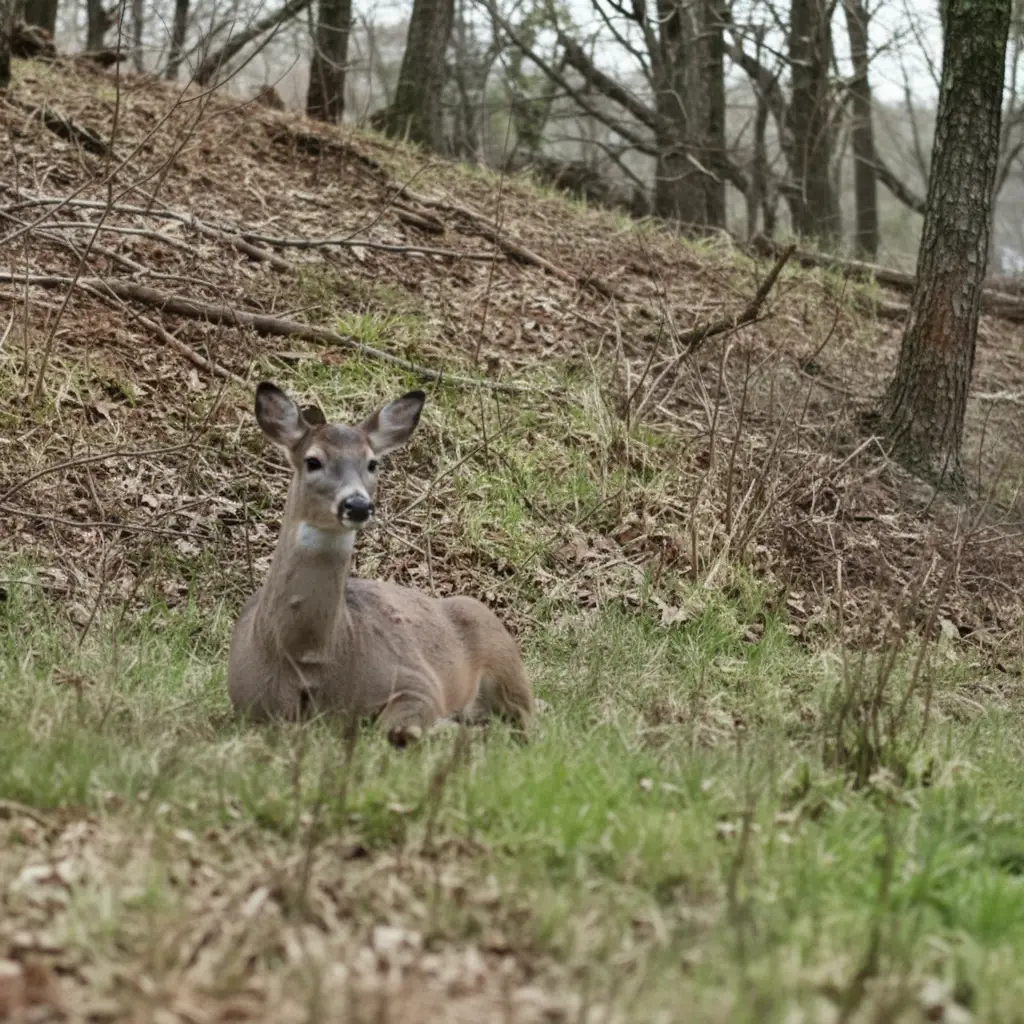
Red deer, one of the largest deer species globally, are naturally distributed in Turkey across the Marmara, Central and Western Black Sea regions, and some forested areas of Central Anatolia. Males are distinguished by their branched antlers, while females are hornless. The species faces the threat of extinction, making the efforts at Bahçeköy even more vital.
Preserving Wild Characteristics
At the Bahçeköy Deer Breeding Station, red deer are raised in an environment free from predators, with their biological needs met and under constant health supervision. Regular monitoring of age, health status, and genetic diversity is conducted, alongside practices aimed at preserving gene and blood diversity to ensure healthy animals are reintroduced into nature.
A critical aspect of these efforts is ensuring the deer retain their wild characteristics. The breeding and care processes are meticulously managed to prevent the deer from becoming accustomed to humans or domesticated, as this would significantly reduce their chances of survival once released into the wild. If red deer become tame and trust humans, they could become easy targets for hunters in the long term. Furthermore, if they grow accustomed to being fed from external sources, they may face the risk of starvation in their natural habitat. Therefore, this fundamental principle is always considered when providing support, even though their wild nature makes their care incredibly challenging, especially during interventions such as catching them for illness or transport.
To enhance genetic diversity, breeding red deer from other red deer production stations within the DKMP General Directorate are also brought to the Bahçeköy Deer Breeding Station.
286 Deer Bred, 212 Released
The red deer produced by the DKMP General Directorate are transported to suitable areas to support wildlife. This strategy aims to increase the populations of naturally occurring red deer in the country and ensure the sustainability of biological diversity. Currently, 76 red deer reside at the station, which has produced a total of 286 deer to date.
Out of these, 212 have been transported to designated areas in Kocaeli, Balıkesir, Gümüşhane, Çorum, Giresun, Afyon, and Kahramanmaraş for release into the wild. Some breeding deer produced in the past were also sent to Ormanya Natural Life Park.
Samanlı Mountains Red Deer Placement Project
In a collaborative effort between the Ministry of Agriculture and Forestry DKMP 1st Regional Directorate and Kocaeli Metropolitan Municipality, the “Samanlı Mountains Red Deer Placement Project” was launched in 2024 for red deer breeding at Ormanya Natural Life Park. Under this three-year project, a total of 30 red deer have been released into nature, with fifteen in the first year and fifteen this year. The project aims to increase this number to 40 by its conclusion.
Tracking Adaptation Processes
All individuals released into the wild are fitted with chips and ear tags, and one deer has been equipped with a GPS tracking collar with a satellite transmitter. This allows for detailed monitoring of the red deer’s adaptation processes, movement areas, and behaviors. The data collected will be used to prepare a “Wildlife Management Plan” aimed at increasing the red deer population and restoring their habitat.
Furthermore, the released red deer have been captured on camera traps and drones. The footage shows the deer roaming freely, feeding, and moving within their natural habitats at the farm.
Source: https://www.trthaber.com/haber/yasam/nesli-tehlike-altindaki-kizil-geyikler-istanbulda-koruma-altinda-cogaltiliyor-929431.html