

Ankara’s Water Levels Alarmingly Low: Dams at 28.09% Capacity
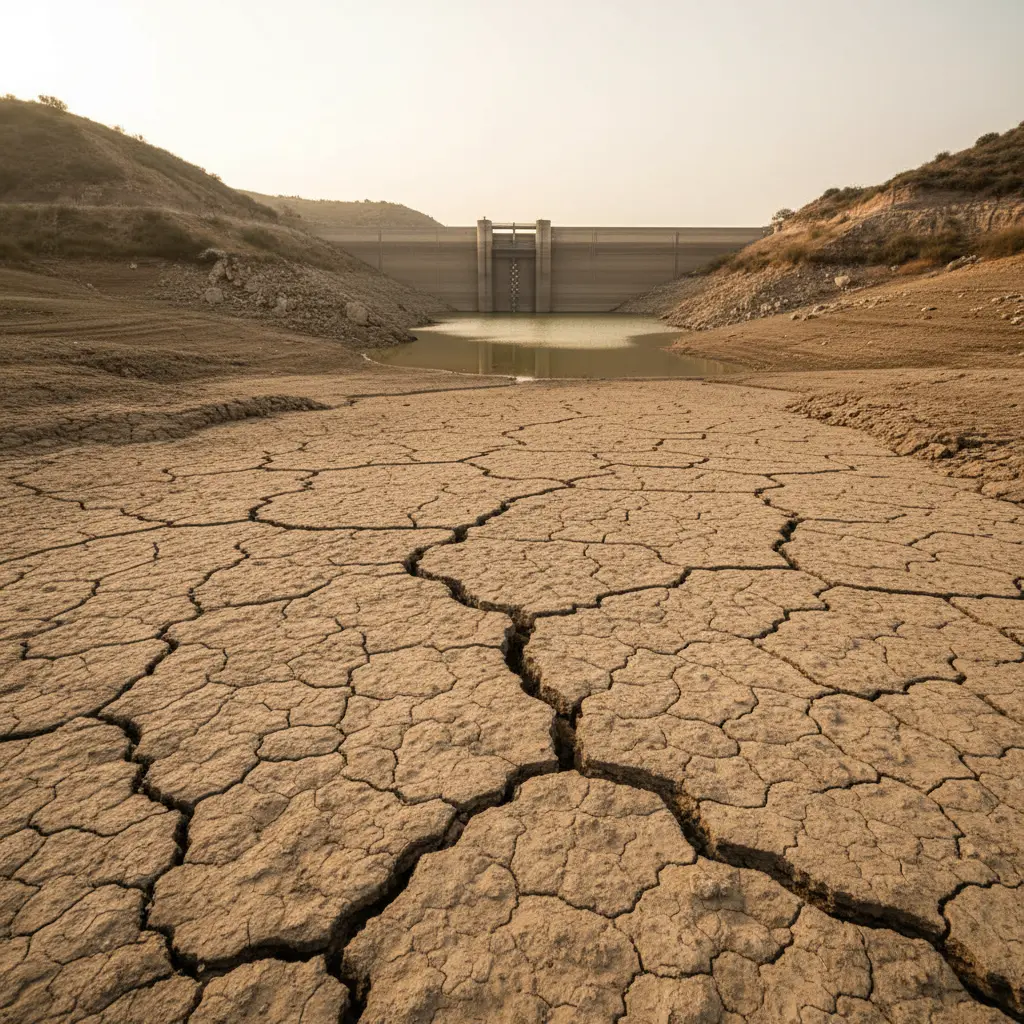
Ankara, Turkey – March 24, 2026 – The Turkish capital, Ankara, is facing a looming water crisis as the occupancy rate of its dams has dropped to an alarming 28.09%, a considerable decrease compared to the previous year. This critical situation highlights the ongoing drought risk and places immense pressure on the city’s water resources, exacerbated by increasing consumption.
Dam Occupancy Rates Decline Significantly
According to data released by the Ankara Water and Sewerage Administration (ASKİ), the total capacity of the dams supplying water to Ankara is 1.454 billion cubic meters. The water volume, which stood at 428 million cubic meters on the same date in 2025, has now fallen to 408 million cubic meters, marking a 1.34% decrease in the occupancy rate. This decline indicates a persistent drought affecting the capital.
Rising Water Consumption Adds to the Strain
The daily water consumption in Ankara has also seen a notable increase. Last year, 1.315 million cubic meters of water were distributed daily. This figure has risen to 1.403 million cubic meters this year, further intensifying the pressure on the already dwindling water sources. The growing population of Ankara contributes significantly to this upward trend in water demand.
Varying Levels Across Ankara’s Dams
A closer look at individual dams reveals a stark disparity in their occupancy rates. While the Kesikköprü and Kargalı dams boast a full 100% capacity, the Türkşerefli Dam is at a critically low 5.20%. Peçenek Dam is at 21.74%, and Çamlıdere, one of the larger dams, stands at 23.76%. This uneven distribution underscores the severity of the situation in certain areas.
Drought Risk Persists, Conservation Efforts Crucial
Despite fluctuations in water inflow to the dams during the early months of the year, the overall outlook indicates that the risk of drought in Ankara remains high. Experts are emphasizing the urgent need for efficient water usage and conservation to ensure the sustainability of the current water levels. Public awareness and responsible consumption are deemed crucial in mitigating the potential impact of a prolonged water shortage.
Official Statements and Future Outlook
Officials from ASKİ have not yet released a detailed action plan to address the declining water levels. However, the data strongly suggests that immediate and effective measures are required to avert a full-blown water crisis in the capital. The long-term forecast for precipitation will be a key factor in determining the future water security of Ankara.
As Ankara grapples with these challenging circumstances, the focus remains on collective efforts to conserve water and manage existing resources prudently. The city awaits further guidance from authorities on how to navigate this critical period and ensure a sustainable water supply for its residents.